
Learn clear, step-by-step guidance on how to put baby in car seat. This guide shows safe setup, correct buckling, angle checks, and tips for snug harness fit. Follow these steps every time to keep your child safe on every trip.
Key Takeaways
- Point 1: Always use a car seat that fits your child’s age, weight, and height to ensure safety.
- Point 2: Install the car seat tightly with the vehicle seat belt or LATCH; there should be less than 1 inch of movement.
- Point 3: Position your baby rear-facing as long as possible and keep the chest clip at armpit level.
- Point 4: Straps must be snug — you should not be able to pinch any slack at the shoulder.
- Point 5: Remove bulky coats and use thin layers or blankets over the harness for warmth.
- Point 6: Regularly check expiration dates, recalls, and registration of your car seat.
Introduction
This guide teaches how to put baby in car seat safely every time. You will learn how to pick the right seat, how to install it, and how to buckle your child correctly. The steps are clear and short. Follow them each time you drive. Safety becomes routine.
Why this matters
Car crashes can hurt children. A correct car seat saves lives. Knowing how to put baby in car seat properly gives you peace of mind. It also helps your child travel in comfort. Small steps prevent big risks.
Visual guide about How to Put Baby in Car Seat Safely Every Time Step by Step
Image source: irp-cdn.multiscreensite.com
What you will need
- Car seat that fits your child
- Vehicle with working seat belts or LATCH anchors
- Blanket or thin layers for warmth
- Car seat manual and vehicle manual
- Patience and calm
Step 1: Choose the right car seat
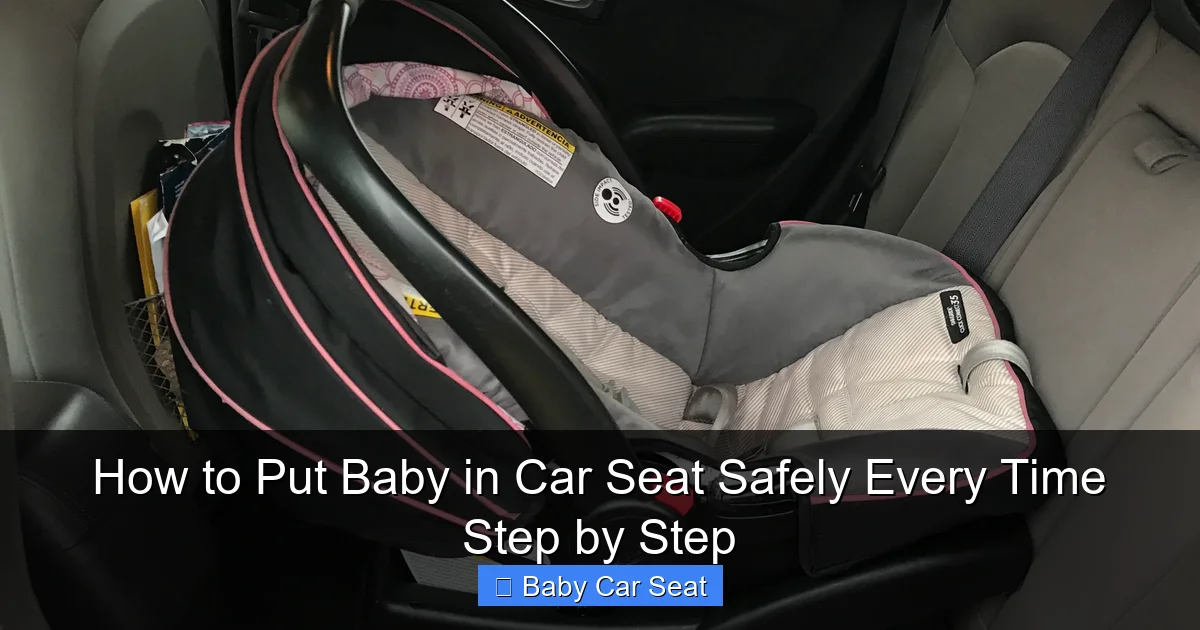
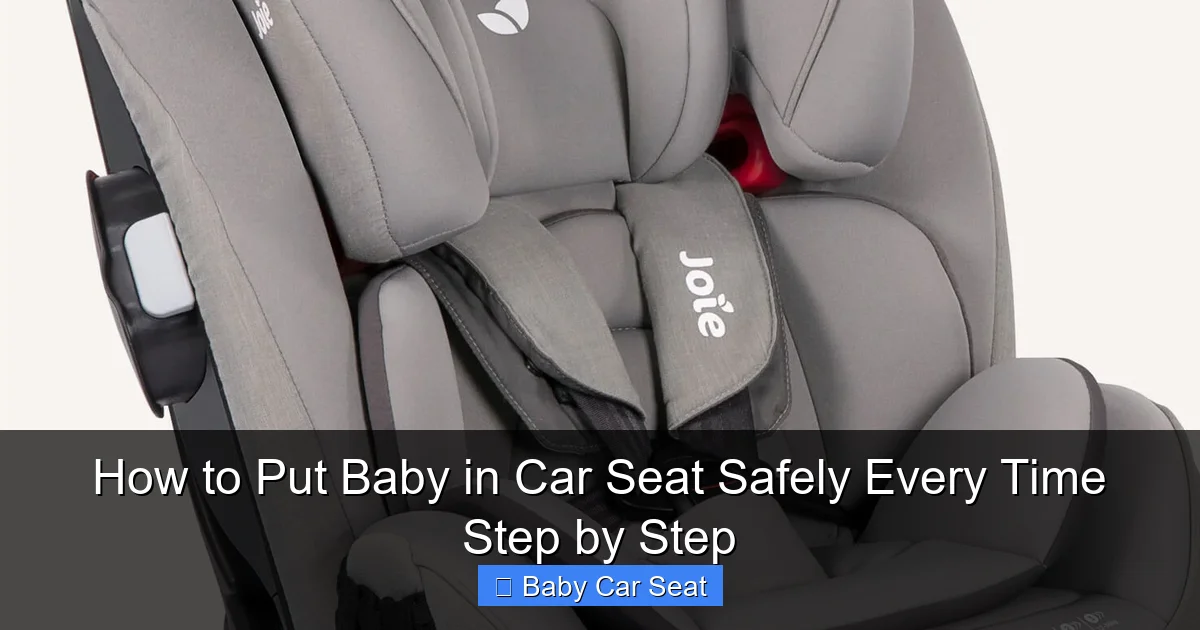
Before you learn how to put baby in car seat, pick the right seat. Use a rear-facing infant or convertible seat for babies. Check the label for weight and height limits.
Visual guide about How to Put Baby in Car Seat Safely Every Time Step by Step
Image source: content.instructables.com
Visual guide about How to Put Baby in Car Seat Safely Every Time Step by Step
Image source: dd.joiebaby.com
Newborns and infants
Use an infant-only seat or a rear-facing convertible seat. Learn the limits of the seat. Pay attention to harness slot height and neck support.
Growing babies
Convert to forward-facing only after your child meets the seat’s weight and height rules. But keep them rear-facing as long as the seat allows.
Step 2: Read the manuals
Read both the car seat manual and your vehicle manual. They explain belt paths and LATCH locations. This step is part of learning how to put baby in car seat safely.
Find the right belt path
Look for labels or colored guides on the car seat. They tell you how to route the belt for rear or forward facing. Use the correct path every time.
Step 3: Install the car seat correctly
Proper installation is key. Practice until you can install the seat with confidence. Here is how to put baby in car seat starting with installation.
Position the seat
Place the car seat in the back seat, center if possible. Most vehicle seats fit best in the center, but follow your vehicle manual.
Use LATCH or seat belt
Use either LATCH or the seat belt, not both unless the car seat manual allows it. Tighten until the seat moves less than 1 inch side to side at the belt path.
Check the angle
Rear-facing seats need a recline. Look for the angle indicator on the seat. Too upright can make an infant’s head flop forward. Adjust until it’s correct.
Step 4: Prepare your baby
Make your baby calm and ready. Remove bulky jackets. Dress in layers that are thin. If needed, use a blanket over the harness after buckling. This step matters when you learn how to put baby in car seat safely.
Feeding and diapering
Feed or change your baby before the trip when possible. A calm baby helps with quick and safe buckling.
Step 5: Place baby in the seat
Lift your baby gently and place them in the seat. Support the head and neck while moving. Make sure the back is flat against the shell of the seat. This is the hands-on part of learning how to put baby in car seat.
Check the harness position
For rear-facing, harness straps should be at or below the shoulders. For forward-facing, they should be at or above the shoulders.
Step 6: Buckle and tighten the harness
Buckle the harness and chest clip. Pull the straps tight. The harness should lie flat and not be twisted. Use this method every time you practice how to put baby in car seat.
Pinch test
After tightening, try to pinch the strap at the shoulder. If you can pinch material, it is too loose. Tighten again. The harness should be snug.
Chest clip placement
Slide the chest clip to armpit level. This keeps straps on the shoulders. Correct placement is a key part of how to put baby in car seat correctly.
Step 7: Final checks before you drive
Do quick checks before you go. Make sure the car seat does not move more than 1 inch. Recheck the harness and chest clip. Make sure your child is comfortable and safe. Repeat this process every time to master how to put baby in car seat.
- Seat angle is right.
- Harness is snug.
- Chest clip is at armpit level.
- No bulky coat under straps.
Step 8: Everyday tips for comfort and safety
Small habits help. Practice these tips each time you put your child in the car seat. They speed up the routine and keep your baby safe.
Keep a routine
Use the same steps each trip. A routine helps you avoid mistakes. It also makes your child calm.
Use a mirror
A back-seat mirror lets you see a rear-facing baby without turning around. Do not rely on it instead of proper checks before driving.
Dress wisely
Use thin layers and add a blanket after the harness is snug. Avoid thick coats under straps. This is a common point when parents learn how to put baby in car seat.
Troubleshooting common problems
Problems can happen. This section helps fix the common ones. Troubleshooting is a key part of mastering how to put baby in car seat.
Car seat moves more than 1 inch
Re-tighten the belt or LATCH. Remove slack by pushing down on the seat and pulling the belt tight. If it still moves, check the belt path and try again.
Straps twisted
Release the harness and straighten the straps. Twisted straps reduce strength and comfort. Smooth them before buckling.
Baby’s head falls forward
Adjust the seat recline to the correct angle. Use an infant insert if recommended. If head flop continues, check the harness fit and seat choice.
Chest clip too low or too high
Unbuckle and reposition the clip to armpit level. It should sit across the chest, not the abdomen or neck.
Bulky coat under harness
Remove the coat. Use a thin top layer and a blanket over the harness. If you must travel in cold weather, warm the car first and use blankets after buckling.
Special situations
Some times are different. Here are tips for tricky scenarios. They help you still follow the rules of how to put baby in car seat safely.
Sleeping baby
If your baby falls asleep, do not unbuckle to move them. Stop in a safe place if you must reposition them. Try to settle them before starting the drive.
Switching cars
If you move the car seat between cars, check installation each time. Seats can fit differently in different vehicles.
Taxi or ride-share
Bring a portable car seat. Never hold a baby on your lap in a moving car. Ask the driver to stop so you can install the seat properly.
Cleaning and maintenance
Keep the seat clean and safe. Follow the car seat manual for washing. Check for wear and damage. Replace straps or the seat if damaged. This is part of long-term learning about how to put baby in car seat right.
Check expiration dates
Car seats have expiration dates. The plastic can weaken over time. Replace expired seats.
Register your car seat
Register with the manufacturer for recall alerts. This keeps you informed of safety updates.
When to move to the next stage
Watch weight, height, and the seat’s limits. Keep your child rear-facing as long as allowed. Move to forward-facing only when your seat and child meet the rules. This decision is part of how to put baby in car seat that keeps them safer longer.
Common mistakes to avoid
- Putting bulky coats under harness straps.
- Loose straps — failing the pinch test.
- Chest clip too low or too high.
- Installing too loosely — more than 1 inch of movement.
- Moving to forward-facing too early.
Practical examples and quick checks
Here are quick scenarios and what to do. These examples focus on how to put baby in car seat fast and right.
Example 1: Short drive to the store
Always install and buckle the same way. Even for short trips, follow all checks. Short rides cause many injuries when rules are skipped.
Example 2: Cold morning
Dress your baby in thin layers. Buckle snugly. Place a blanket over the harness. Do not tuck the blanket under the straps.
Example 3: Grandparent’s car
Bring the car seat manual and the seat base if you can. Show the grandparent how you install it the way you do. Practice together once so they learn how to put baby in car seat the same way.
When to get help
Seek help if you cannot get a tight installation. Many communities offer car seat checks by certified technicians. They can show you in person the best way to put baby in car seat.
Conclusion
Learning how to put baby in car seat takes practice. Use these simple steps every time. Check the harness, chest clip, and seat installation. Keep your baby rear-facing as long as possible. Remove bulky coats. Register the seat and check for recalls. When you follow these steps, you reduce risk and gain confidence. Safety becomes second nature.
🎥 Related Video: How to Install and Use Baby Car Seat ? Sweet Angels Rajkot
📺 Sweet Angels – Baby Store
