
Is baby car seat safe is a common worry for new parents. This guide gives clear, practical steps to choose the right seat, install it, and use it with confidence. Follow these tips to keep your child safe on every trip.
Key Takeaways
- Point 1: Choose the right seat by age, weight, and height to ensure proper protection.
- Point 2: Install the car seat tightly and at the correct angle to prevent movement and slumping.
- Point 3: Use the harness and straps correctly every ride; a snug fit saves lives.
- Point 4: Register your car seat to receive recalls and safety updates.
- Point 5: Replace seats after a crash or when expired to avoid hidden damage.
- Point 6: Seek help from certified technicians for installation checks when in doubt.
Introduction: What you will learn
This guide answers the big question: is baby car seat safe and how you can make it so. You will learn how to pick the right seat. You will learn how to install it. You will learn how to use it every day. You will also learn how to spot problems and fix them. The goal is simple: give you steps you can follow right now to protect your child.
Step 1: Understand the basics of safety
Before you shop, learn the basics. A good start helps you ask the right questions. Ask yourself: what stage is my child in? What fits my car?
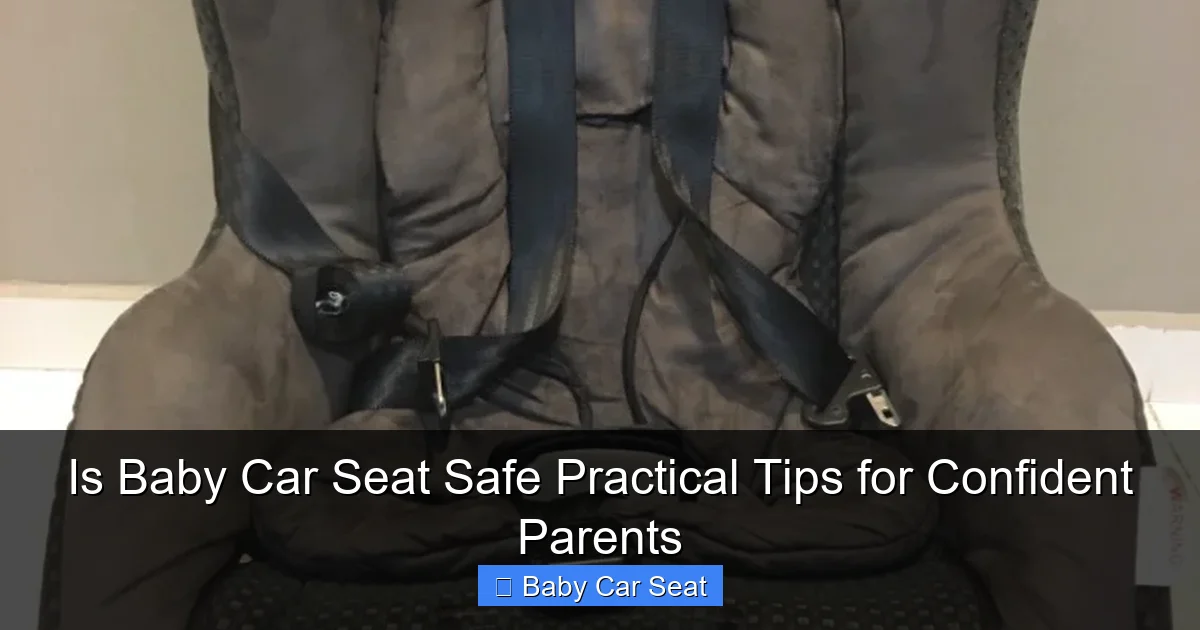
Visual guide about Is Baby Car Seat Safe Practical Tips for Confident Parents
Image source: media.karousell.com
Know the types of seats
- Rear-facing infant seat: for newborns and small babies.
- Convertible seat: can be rear- or forward-facing as the child grows.
- Forward-facing seat with harness: for toddlers.
- Booster seat: for older kids using a seat belt.
Key safety terms
- Expiration date: seats have a life span. Do not use expired seats.
- Recalls: register the seat to get recall alerts.
- Five-point harness: best harness for crash protection.
As you read, think: is baby car seat safe? The answer is yes when you follow the rules.
Step 2: Choose the right seat for your child
Choosing matters. The right seat equals better safety. Here is how to choose the best seat for your child’s size and age.
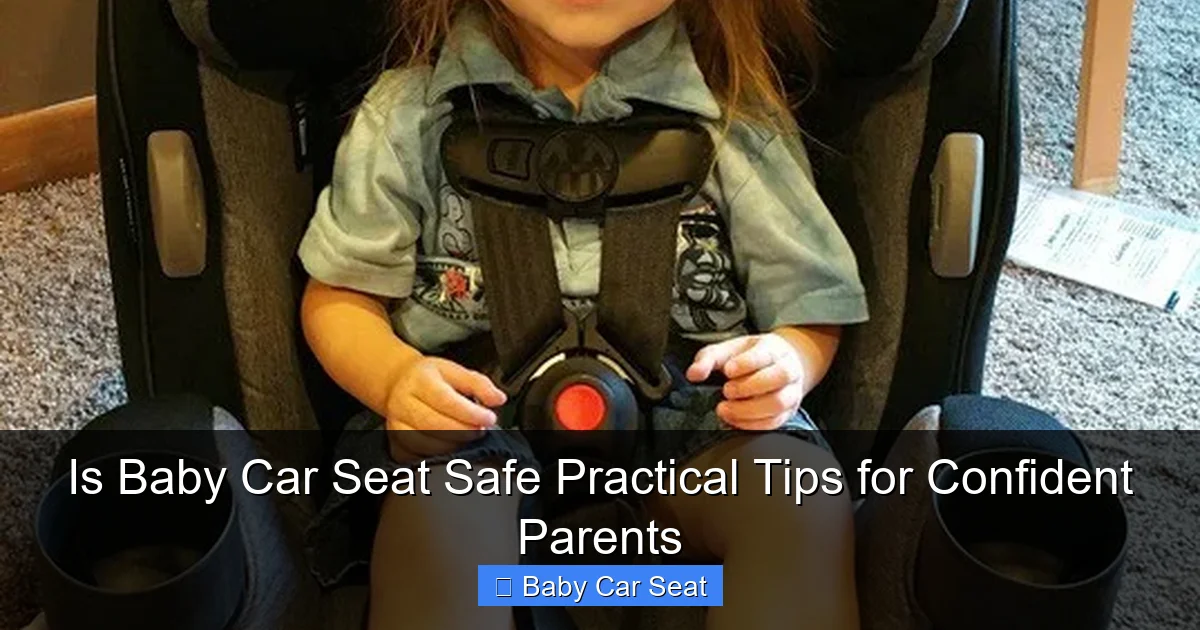
Visual guide about Is Baby Car Seat Safe Practical Tips for Confident Parents
Image source: africasblog.com
Match by weight and height
- Check the label. It will show weight and height limits.
- Keep your baby rear-facing as long as possible. Many crashes push babies forward. Rear-facing supports the head and neck.
Choose based on use
- If you travel often, choose a seat that is easy to install and carry.
- If you have multiple cars, choose a second base or a seat that is simple to move.
Check for safety ratings and features
- Look for side-impact protection and strong shell design.
- Choose a seat with a tight harness and clear adjustment markers.
As you shop, repeat: is baby car seat safe? The right choice starts here.
Step 3: Installation basics — Get it right the first time
Even the best seat is unsafe if not installed right. Use these steps to install with confidence.
Visual guide about Is Baby Car Seat Safe Practical Tips for Confident Parents
Image source: confidentparentsconfidentkids.org
Read the manuals
Read both the car seat manual and your vehicle’s owner manual. They explain where and how to install the seat. Manuals are short. Read them slowly. The first rule of safety is to know the rules.
Choose the best spot
- The middle rear seat is often the safest. It is farthest from impact zones.
- If the middle won’t accept a seat or fit tightly, use a side seating position that allows a proper install.
Use LATCH or seat belt
- Most seats can be installed with LATCH (Lower Anchors and Tethers for Children) or the vehicle seat belt.
- Do not use both unless the car seat manual allows it.
Install tightly
Push the seat into the vehicle while tightening the belt or LATCH strap. The seat should not move more than one inch side-to-side or front-to-back at the belt path.
Ask: is baby car seat safe? A tight install helps answer yes.
Step 4: Correct harnessing — Secure the child
The harness is your child’s direct protection. Use it every trip. Small mistakes matter.
Position the harness
- For rear-facing seats, harness straps should be at or below the shoulders.
- For forward-facing seats, harness straps should be at or above the shoulders.
Snug and flat
- Make the straps lie flat. No twists.
- Perform the pinch test: you should not be able to pinch any excess webbing at the shoulder.
- Chest clip should be at armpit level.
Every time you buckle, ask: is baby car seat safe? Check the straps and clip.
Step 5: Angle and support — Keep the airway open
Infants need the right angle. A slumped baby can have airway trouble. Many seats include angle indicators. Use them.
Adjust the recline
- Follow the car seat label to set the proper recline for rear-facing mode.
- Use rolled towels if the car seat needs extra tilt, but check the manual. Not all manufacturers permit added supports.
Use newborn inserts correctly
Inserts support small babies. Use only inserts that come with the seat. After the baby grows, remove them to maintain fit.
Ask once more: is baby car seat safe? Proper angle helps keep the airway clear.
Step 6: Everyday use and practical tips
Daily habits make safety routine. Use simple rules to keep the seat safe and effective.
Dress smart
- Bulky coats can prevent a snug harness. Use thin layers or buckle the child, then add a blanket over the harness.
- Use harness covers only if the manual allows them.
Limit travel time wisely
Long car rides can be tiring for infants. Stop every hour or two to check and move the baby. This keeps them comfortable and reduces slumping.
Never leave the child unattended
Do not leave a child alone in the car seat. Cars heat up fast and can be dangerous.
Keep asking: is baby car seat safe? Daily checks help keep the answer yes.
Step 7: Maintenance and checks
Care for the seat so it protects well. Small checks can prevent big problems.
Clean as directed
- Remove covers and clean per the manual. Harsh washing can weaken straps or foam.
- Do not machine dry unless allowed.
Inspect for wear and damage
- Check straps for fraying.
- Check plastic for cracks.
- Make sure buckles latch and release cleanly.
Register your seat
Register with the manufacturer. This ensures you get recall notices and safety updates.
When you inspect, ask: is baby car seat safe? Regular checks keep it ready.
Step 8: When to replace or retire a car seat
Seats do not last forever. Know when to replace them.
Expiration dates
Seats have an expiration date stamped on the shell. Do not use a seat past that date. Plastics and metals age and weaken over time.
After a crash
- Check the manual after any crash, even a minor one. Many times, replacement is recommended.
- If seat shows visible damage, replace it immediately.
Used seats
Exercise caution when accepting a used seat. Ensure it has not been in a crash, it is not expired, and it has all parts and instructions.
Replace when needed. It answers the question: is baby car seat safe? A newer, intact seat is safer.
Troubleshooting: Common problems and fixes
Problems happen. Here are common issues and easy fixes so you can feel sure about safety.
The seat moves more than an inch
Fix: Reinstall using the belt path. Tighten the LATCH or seat belt. Lock the seat belt if your car allows. If still loose, try a different seating position.
The harness is too loose
Fix: Readjust the strap length. Remove slack at the harness adjuster and perform the pinch test. If the child has outgrown the straps, move to the next seat level.
The chest clip is hard to close
Fix: Check for trapped fabric. Clean the buckle as directed. If the buckle does not latch smoothly, contact the manufacturer.
Car seat won’t fit in the car
Fix: Try a different seat or use a rear-seat position. Ask a certified technician to check installation options. Some cars require special care or seat models.
When in doubt ask: is baby car seat safe? If a fix is not obvious, get professional help.
Step 9: Get help — Use experts and resources
You don’t have to figure this out alone. Many free and low-cost resources are available.
Certified Child Passenger Safety Technicians (CPST)
CPSTs can inspect your installation. They give tips and fix errors. Many fire stations, hospitals, and health departments offer checks.
Online resources
- Manufacturer websites for manuals and videos.
- Government safety sites with checklists and recall info.
- Parent groups and local safety events for hands-on help.
Ask professionals: is baby car seat safe? They can show you the answer.
Step 10: Build confidence and routine
Practice makes safety a habit. Make these steps part of your routine.
Pre-trip checklist
- Seat is tight (less than 1 inch movement).
- Harness is snug and flat.
- Chest clip at armpit level.
- Seat placed at proper angle.
Teach caregivers
Show grandparents, babysitters, and daycare staff how to install and buckle. Safety works best when everyone knows the rules.
Keep asking: is baby car seat safe? With practice, you will say yes fast and sure.
Conclusion: Your child’s safety is in your hands
Is baby car seat safe? Yes — when you choose the right seat, install it tightly, and use the harness properly every ride. Simple checks before each trip make a big difference.
Follow the steps in this guide. Read the manuals. Register the seat. Seek help if you need it. Safety is a habit you can build today. You can do this. Your careful actions protect your child on every journey.
🎥 Related Video: How Easy Is ClickTight Installation? See Why Parents Love Britax Car Seats
📺 Britax Child Safety, Inc
Real Parent Review: @littleradadventures shows just how quick and secure a Britax ClickTight installation can be—rear-facing or …
