Microplastics in diapers are an invisible problem that many parents never think about. This guide explains where these plastics come from, how they might affect your baby’s health, and what you can do to lower the risks. You’ll learn how to read labels, choose safer disposable diapers, use simple barrier steps, and create a practical plan that fits your budget and lifestyle.
Key Takeaways
- Point 1: Microplastics in diapers come from synthetic materials inside and outside the diaper, and they can shed tiny particles during use.
- Point 2: While research is still developing, microplastics may irritate skin, disrupt hormones, and affect long-term health, especially in babies.
- Point 3: You can cut exposure by choosing diapers with fewer plastics, fragrance-free designs, and clear material transparency.
- Point 4: Simple habits like using a natural liner, changing diapers often, and avoiding high-heat storage can further reduce risk.
- Point 5: Not all “eco” or “green” diapers are equal; reading labels and certifications is key to finding safer options.
- Point 6: A mixed approach—safer disposables plus some reusables—often gives the best balance of convenience, cost, and lower microplastic exposure.
- Point 7: You do not have to be perfect; every small change you make can meaningfully reduce microplastics in your baby’s daily life.
Introduction: Why Microplastics in Diapers Matter
Microplastics in diapers are a growing concern for many parents. We cannot see these tiny particles, but they are present in many disposable diapers on the market today. If you use disposable diapers, your baby may be in contact with microplastics 24 hours a day for the first few years of life.
In this guide, you will learn what microplastics in diapers are, where they come from, and why they may be a health risk. You will also learn how to choose safer diapers, how to reduce exposure step by step, and how to make changes that work with your budget and lifestyle. The goal is not to scare you, but to give you clear, practical tools so you can make informed choices for your baby.
Step 1: Understand What Microplastics in Diapers Are
What are microplastics?
Microplastics are tiny plastic particles that are smaller than 5 millimeters. Many are much smaller, even invisible to the naked eye. They can come from larger plastic items that break down, or they can be manufactured as tiny particles from the start.
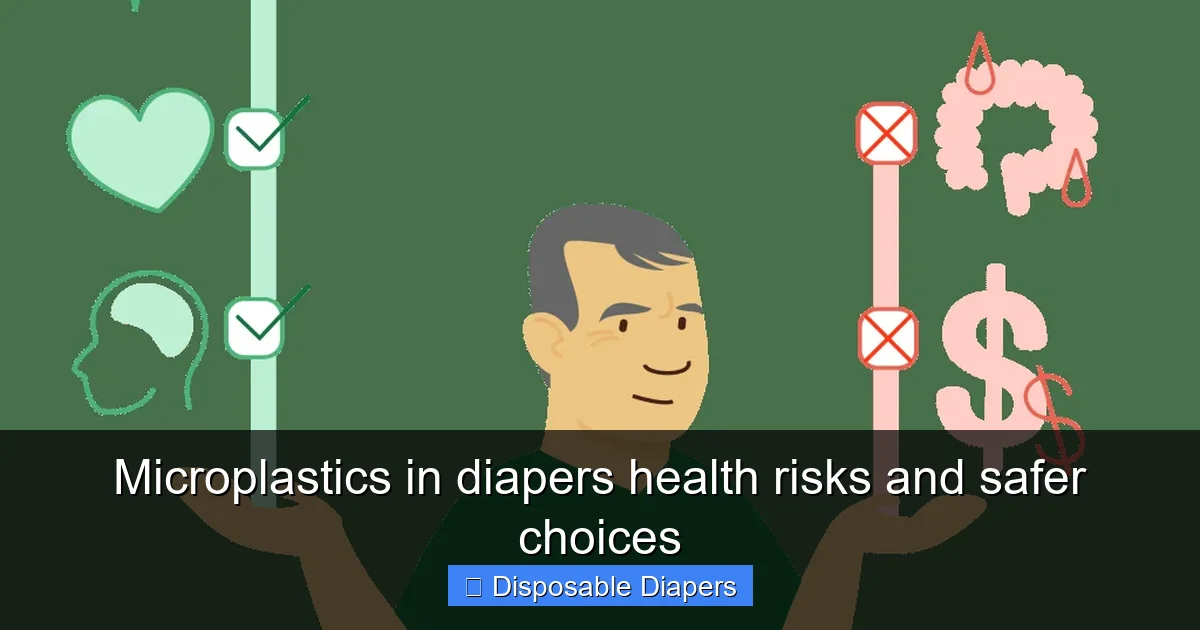
Visual guide about Microplastics in diapers health risks and safer choices
Image source: informedhealthchoices.org
When we talk about microplastics in diapers, we mean the small plastic pieces that can shed from the diaper materials. These can be fibers, fragments, or dust-like particles. They can end up on your baby’s skin, in household dust, and eventually in the environment.
Where do microplastics in diapers come from?
Most disposable diapers are made with several layers that contain plastic. Common plastic materials in diapers include:
- Polypropylene – often used in the top sheet (the inner layer that touches your baby’s skin).
- Polyethylene – used in the back sheet (the outer waterproof layer).
- Super absorbent polymers (SAPs) – usually made from acrylic-based plastics that lock in moisture.
- Elastic materials – in the leg cuffs, waistband, and tabs, often made from synthetic rubber and plastics.
- Adhesives and binders – used to hold layers together, sometimes containing plastic components.
During manufacturing, transport, and use, these plastic parts can release microplastics. Friction, heat, and movement may increase shedding. Over time, microplastics in diapers can migrate into dust, or come into direct contact with your baby’s skin.
Why babies are more vulnerable
Babies are more sensitive to microplastics in diapers than adults for several reasons:
- Their skin barrier is thinner and still developing.
- They have a higher surface area of skin compared to their body weight.
- They spend many hours in diapers every day.
- Their detox and immune systems are still maturing.
This means any potential risk from microplastics in diapers may be greater for infants. That is why it makes sense to reduce exposure where we can.
Step 2: Learn the Health Risks Linked to Microplastics in Diapers
What science currently suggests
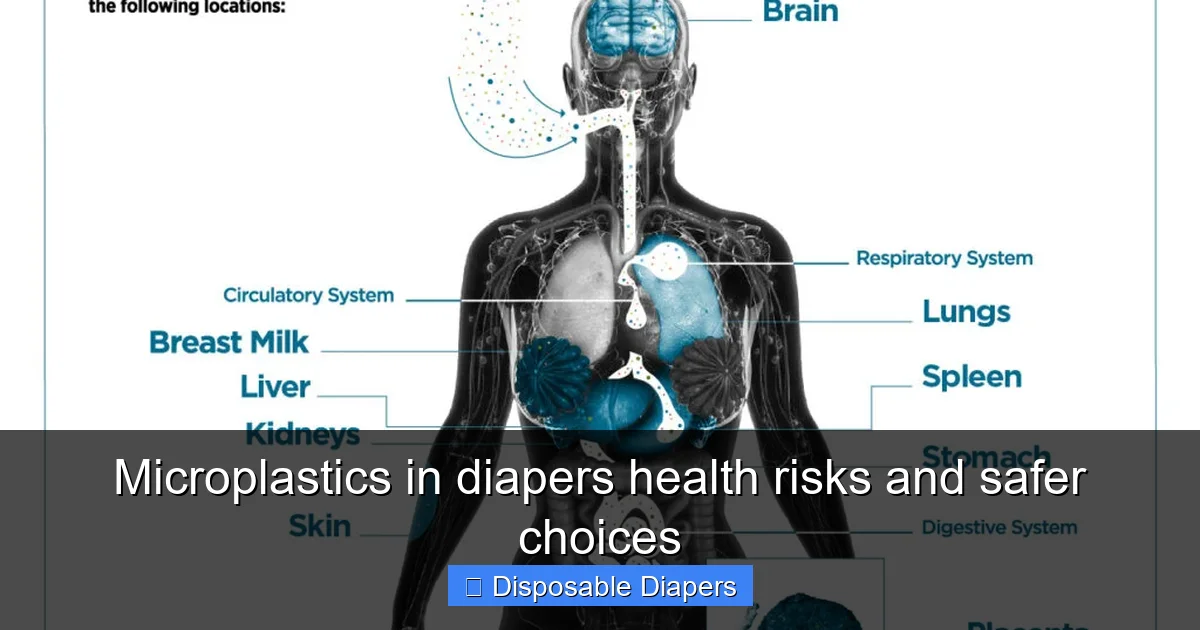
Research on microplastics in diapers is still developing, but early findings raise concerns. Scientists have found microplastics in human blood, lungs, placenta, and stool. This shows that microplastics can enter and travel through the body. While many studies focus on adults or the general population, the same types of plastics are used in diapers.
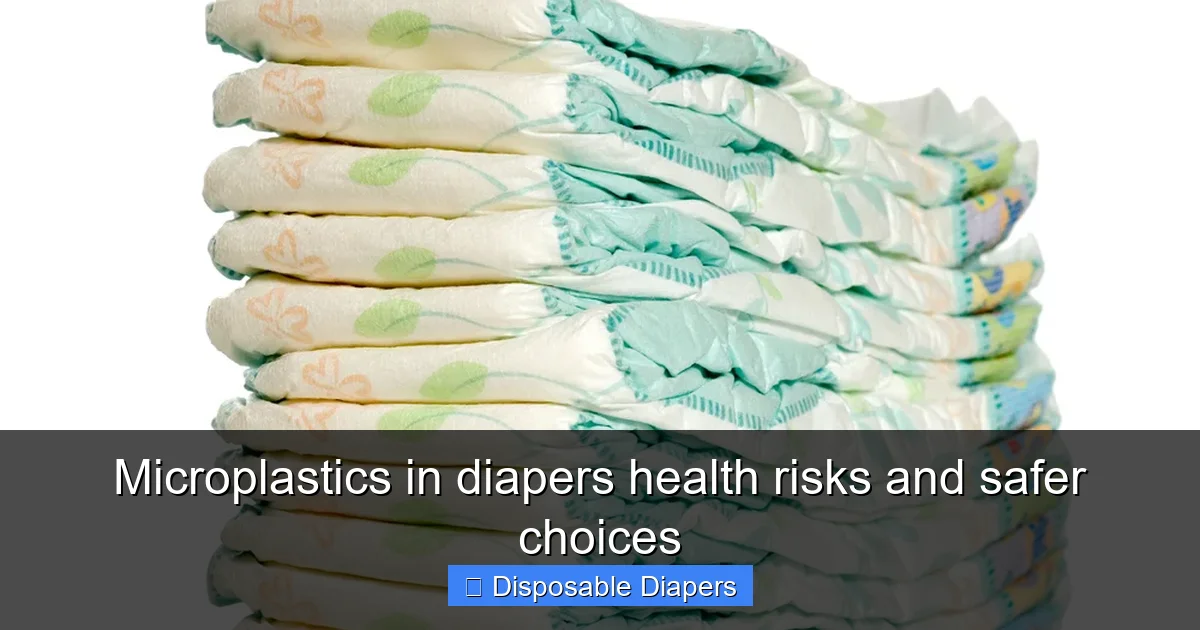
Visual guide about Microplastics in diapers health risks and safer choices
Image source: newhealthadvisor.org
Studies on plastics and related chemicals suggest possible risks:
- Skin irritation and rashes – tiny plastic particles and additives may irritate sensitive skin.
- Hormone disruption – some plastic additives, like phthalates and BPA-type chemicals, can act as endocrine disruptors.
- Inflammation – microplastics may trigger inflammatory reactions in tissues.
- Long-term effects – we still do not know the full long-term impact of constant low-level exposure in early life.
How microplastics in diapers may affect your baby
Microplastics in diapers can touch your baby’s skin directly. They may also be inhaled if tiny particles become airborne when you change or handle diapers. In addition, some chemicals linked to plastics can migrate from the diaper into urine, sweat, or skin oils.
Possible effects include:
- More frequent diaper rashes or redness.
- Worsening of eczema or sensitive skin.
- Potential exposure to hormone-disrupting chemicals over time.
Not every baby will show obvious symptoms. Many effects, if they occur, may be subtle or long-term. Because of this uncertainty, many parents choose a cautious approach and try to limit microplastics in diapers as much as they reasonably can.
Balancing risk and reality
It is important to remember that disposable diapers are widely used and very convenient. For many families, they are the only practical option. The goal is not to create guilt. Instead, the goal is to help you:
- Understand where microplastics in diapers come from.
- Reduce the worst sources of exposure.
- Make safer choices within your budget.
Even small changes can lower risk. You do not need to switch everything overnight to make a difference.
Step 3: Identify Microplastics in Diapers by Reading Labels
Know the common plastic-related terms
To reduce microplastics in diapers, you first need to recognize them on labels and product pages. Look for these terms:
Visual guide about Microplastics in diapers health risks and safer choices
Image source: saferstates.org
- Polypropylene (PP)
- Polyethylene (PE)
- Polyester
- Polyurethane (PU)
- Super absorbent polymer (SAP) or “sodium polyacrylate”
- Polyacrylate or “acrylate copolymers”
These materials are all forms of plastic. Most disposable diapers will contain some of them. The goal is to find diapers that limit these plastics in the parts that directly touch your baby’s skin.
Watch for vague or “greenwashed” language
Some brands use vague terms that sound natural but still hide plastics. Be careful with phrases like:
- “Plant-based” – sometimes only a small percentage is plant-based, while the rest is plastic.
- “Eco-friendly” or “green” – not a regulated term; may still contain many plastics.
- “Dermatologist tested” – does not mean free from microplastics in diapers.
- “Hypoallergenic” – helpful, but still not a guarantee of low plastic content.
Always look for a full material list. If a brand does not share it, that is a red flag.
Look for clearer, safer indicators
When choosing diapers with fewer microplastics, look for:
- Top sheet made from 100% plant-based fibers like organic cotton or bamboo (with clear proof, not just marketing claims).
- No added fragrances or lotions that may contain plastic-based carriers.
- Chlorine-free processing (TCF or ECF) to reduce harsh chemicals.
- Independent certifications such as OEKO-TEX Standard 100, Nordic Swan, or EU Ecolabel.
- Transparent ingredient lists that name materials clearly.
These features do not fully remove microplastics in diapers, but they can lower overall plastic exposure, especially on the inner surface that touches the skin.
Step 4: Choose Safer Disposable Diapers
Prioritize the layers that touch the skin
If you are not ready to leave disposable diapers, you can still reduce microplastics in diapers by focusing on the inner layers. Aim for:
- Top sheet (inner layer) made of natural fibers like cotton, bamboo, or wood pulp.
- Minimal synthetic fibers directly against the skin.
- Soft, breathable materials to reduce friction and irritation.
Even if the outer layer is plastic, having a more natural inner layer can lower direct contact with microplastics.
Avoid extra chemicals that may carry microplastics
Many diapers add fragrances, lotions, or color designs. These extras can introduce more chemicals and sometimes microplastic particles. When possible, choose:
- Fragrance-free (not “unscented,” which can still include masking scents).
- Dye-free or minimal printing on the inner surface.
- Lotion-free diapers, so you can control what goes on your baby’s skin.
Fewer additives mean fewer potential sources of microplastics in diapers and fewer irritants for sensitive skin.
Check for credible eco and safety certifications
Certifications cannot guarantee zero microplastics, but they do raise standards for chemicals and materials. Helpful labels include:
- OEKO-TEX Standard 100 – tests for harmful substances in textiles.
- Nordic Swan Ecolabel – strict environmental and health standards for baby products.
- EU Ecolabel – limits on certain chemicals and environmental impact.
- FSC for pulp – shows wood pulp comes from responsibly managed forests.
When you see these marks along with clear material lists, it is a good sign that the brand is taking safety and transparency seriously.
Compare brands with a simple checklist
Use this quick checklist when comparing diapers:
- Does the brand list all materials clearly?
- Is the top sheet mostly natural fiber, not plastic?
- Is it free from fragrance, lotion, and unnecessary dyes?
- Does it have at least one respected safety or eco label?
- Do reviews mention fewer rashes and good skin comfort?
If a diaper meets most of these points, it likely has fewer microplastics in diapers touching your baby’s skin.
Step 5: Consider Reusable Options to Cut Microplastics in Diapers
How cloth diapers reduce microplastics
Reusable cloth diapers can greatly reduce microplastics in diapers because they rely more on natural fabrics. Many cloth systems use:
- Organic cotton
- Bamboo or hemp blends
- Wool covers (for some systems)
You still may have some plastic in waterproof covers or snaps, but overall, your baby’s skin can be in contact with more natural fibers and fewer microplastics.
Types of cloth systems
Popular cloth diaper types include:
- Prefolds and covers – cotton or bamboo inserts with a waterproof cover.
- All-in-ones – similar to disposables in shape, with absorbent layers sewn in.
- Pocket diapers – a shell with a pocket where you stuff absorbent inserts.
- Flats and fitteds – simple cloth squares or shaped diapers with a separate cover.
Each system has pros and cons for cost, ease of use, and washing. But all can reduce microplastics in diapers compared with standard disposables.
How to start with cloth without overwhelm
You do not need to switch 100% to cloth to see benefits. Try:
- Using cloth at home and disposables at night or when out.
- Starting with 6–10 cloth diapers to test your routine.
- Using cloth only on weekends or days off.
Even partial use can lower your baby’s contact with microplastics in diapers and reduce waste. Over time, you can adjust based on what works for your family.
Washing tips to limit microplastic shedding
Some cloth diapers still contain synthetic fibers in inserts or covers. To reduce microplastic shedding during washing:
- Choose natural-fiber inserts (cotton, bamboo, hemp) when possible.
- Wash on cooler settings rather than very hot cycles.
- Use gentle detergents without harsh chemicals.
- Consider a washing bag or filter designed to capture microfibers.
These steps help reduce microplastics in diapers and also protect waterways from microfiber pollution.
Step 6: Add Simple Barriers and Habits to Reduce Exposure
Use natural diaper liners
If you are not ready to change your main diaper brand, you can still reduce microplastics in diapers by adding a barrier. Try:
- Disposable liners made from 100% plant fibers (like bamboo or cellulose) without plastic.
- Reusable fleece or cotton liners placed between the diaper and your baby’s skin.
These liners act as a shield between your baby and the diaper’s plastic layer. They can reduce direct contact with microplastics and make cleanup easier.
Change diapers often
The longer a diaper stays on, the more friction, moisture, and heat build up. This can:
- Increase skin irritation.
- Encourage more shedding of microplastics in diapers.
- Trap chemicals and particles against the skin.
Aim to change diapers every 2–3 hours during the day, or as soon as you notice they are wet or soiled. At night, do what is realistic for your baby’s sleep, but use the most breathable and gentle option you can.
Let skin breathe between changes
Whenever possible, give your baby some diaper-free time on a towel or waterproof mat. Even 10–15 minutes a few times a day can:
- Lower moisture and friction.
- Help skin recover from contact with microplastics in diapers.
- Reduce rashes and irritation.
This simple habit supports skin health and may reduce the impact of any particles that were on the skin.
Store diapers away from heat and direct sun
Heat and sunlight can speed up plastic breakdown and shedding. To keep microplastics in diapers from increasing during storage:
- Store diapers in a cool, dry place.
- Avoid leaving packs in hot cars or near heaters.
- Keep them in closed packaging until you need them.
Better storage means fewer loose plastic particles before the diaper even reaches your baby.
Step 7: Create a Practical Diaper Plan for Your Family
Assess your current diaper routine
Start by looking at how you currently use diapers:
- How many disposable diapers do you use per day?
- Do you already use any cloth or reusable products?
- Does your baby have frequent rashes or skin issues?
- What is your budget for diapers each month?
Understanding your starting point will help you make realistic changes to reduce microplastics in diapers.
Choose one primary change to start
Pick one main goal for the next month. For example:
- Switch to a brand with a plant-based top sheet and no fragrance.
- Add natural liners to your current diapers.
- Introduce cloth diapers for daytime at home.
- Reduce printed or heavily decorated diapers.
Focus on this one change first. Once it feels easy, you can add more steps to further cut microplastics in diapers.
Balance cost, convenience, and safety
Safer diapers can be more expensive, and cloth can require more time. To find balance:
- Use premium or eco diapers for long stretches (night, outings) and cheaper but still safer options for short daytime use.
- Mix cloth and disposables, so you do not rely only on one system.
- Buy in bulk or use subscription discounts when you find a brand that works.
You do not have to choose between perfect safety and practicality. A mixed approach can still greatly reduce microplastics in diapers.
Track your baby’s skin and comfort
As you adjust your diaper routine, watch for:
- Changes in rash frequency or severity.
- Redness or irritation in diaper areas.
- Any new smells or textures on the diaper surface.
If a new diaper brand or system seems to improve skin health, that is a strong sign you are moving in the right direction and likely lowering your baby’s exposure to microplastics in diapers.
Troubleshooting Common Problems
Problem 1: My baby still gets rashes with “eco” diapers
Even with better diapers, rashes can happen. To troubleshoot:
- Check if the diaper still has plastics in the top sheet or added lotions.
- Try adding a natural liner to create an extra barrier.
- Use a simple, fragrance-free diaper cream with minimal ingredients.
- Increase diaper-free time to let skin heal.
If rashes persist, talk to your pediatrician. Some babies have specific sensitivities that go beyond microplastics in diapers.
Problem 2: Cloth diapers feel overwhelming
Cloth can seem complex at first. To make it easier:
- Start with all-in-one or pocket diapers, which work more like disposables.
- Use cloth only at home, where you have easy access to laundry.
- Set a simple wash routine, such as every two days on a warm cycle.
- Join online groups or forums for tips and support.
Remember, even using one or two cloth diapers a day reduces microplastics in diapers compared with full-time disposables.
Problem 3: Safer diapers cost more than I expected
Higher-quality diapers often use better materials and more testing, which can raise prices. To manage cost:
- Use the safest diapers during long wear times (nights, naps, outings).
- Use a mid-range but still fragrance-free brand for short daytime use.
- Look for sales, coupons, or subscription savings.
- Combine some cloth use to reduce how many disposables you need.
You can still reduce microplastics in diapers without switching every single diaper to the most expensive option.
Conclusion: Small Steps Make a Big Difference
Microplastics in diapers are an invisible but important part of your baby’s daily environment. While we do not yet know every detail about their long-term effects, we do know that babies are more vulnerable, and that many diapers contain multiple layers of plastic. The good news is that you have options.
By understanding what microplastics in diapers are, learning to read labels, and choosing safer materials, you can lower your baby’s exposure. Simple habits like using natural liners, changing diapers often, and allowing diaper-free time add extra protection. If it fits your lifestyle, adding some cloth diapers can further cut down on microplastics in diapers and reduce waste.
You do not need to be perfect or change everything at once. Every move toward more natural, transparent, and gentle diaper choices is a step toward a healthier start for your child. Focus on progress, not perfection, and adjust your plan as you learn what works best for your family.
🎥 Related Video: Reasons I regret formula-feeding my child
📺 PedsDocTalk
I don’t. My decision to formula-feed Ryaan was due to physical complications during his delivery and my decision to stop …