In this guide, we explore the question of whether baby carriers can cause bow legs in infants. With expert insights and practical tips, we aim to provide parents with the information they need to ensure safe and healthy development for their little ones.
Key Takeaways
- Point 1: Bow legs, or genu varum, are common in infants and often resolve on their own.
- Point 2: Proper use of baby carriers can support healthy hip and leg development.
- Point 3: Type of baby carrier used may influence the positioning of the infant’s legs.
- Point 4: Ensure that carriers provide adequate support and allow for a natural leg position.
- Point 5: Consult pediatricians for personalized advice regarding baby carriers and leg development.
- Point 6: Monitor your baby’s leg development regularly for peace of mind.
- Point 7: There are alternative carrying methods that can promote healthy leg positioning.
Can Baby Carriers Cause Bow Legs in Infants Explained
As a new parent, you may have many questions about your baby’s development, especially when it comes to physical milestones. One common concern is whether using baby carriers can lead to bow legs in infants. This guide will help you understand the relationship between baby carriers and leg development, offering insights into safe carrying practices and what to watch for as your baby grows.
Understanding Bow Legs
First, let’s define what bow legs are. Bow legs, medically known as genu varum, refer to a condition where the legs curve outward at the knees while the feet and ankles touch. This is a common condition in infants and toddlers, often seen as a normal part of their development. Most children outgrow bow legs as their bones mature and grow stronger.
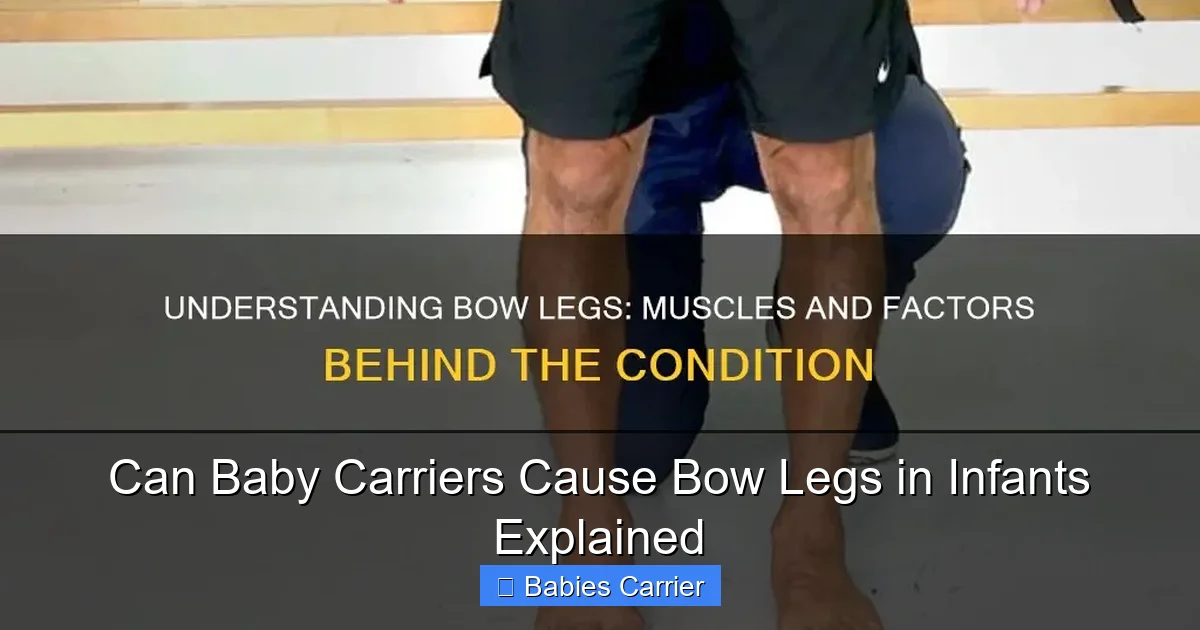
Visual guide about Can Baby Carriers Cause Bow Legs in Infants Explained
Image source: cyvigor.com
When Do Bow Legs Typically Appear?
Bow legs are often visible in infants who are just starting to walk. It’s important to note that it is completely normal and usually resolves on its own as they grow. The condition can also be influenced by factors such as genetics, nutrition, and overall health.
Do Baby Carriers Contribute to Bow Legs?
The main concern among parents is whether the use of baby carriers can exacerbate or cause bow legs. Here, we will discuss how baby carriers can influence leg positioning.
Types of Baby Carriers
There are several types of baby carriers available, including:
- Wraps: Long pieces of fabric that can be tied in various ways.
- Slings: A simple fabric loop that holds the baby snugly against the caregiver.
- Soft-structured carriers: These have padded shoulder straps and a structured seat for the baby.
- Frame carriers: Designed for hiking, these allow the baby to sit higher up and often have a larger frame.
How Carriers Affect Leg Positioning
The way a baby is positioned in the carrier can impact leg development. Here’s how:
- In some carriers, if the legs are dangling straight down, it can put unnecessary tension on the hips and knees.
- Carriers that allow the baby to sit with their knees higher than their bottom, often referred to as the “M” position, are considered more beneficial for healthy leg development.
- Wraps and slings can often provide a more natural position compared to structured carriers that may not support leg positioning properly.
Choosing the Right Baby Carrier
To minimize any potential risks related to bow legs, choosing the right baby carrier is essential. Here are some tips:
1. Opt for Ergonomic Designs
Look for carriers that promote an ergonomic position for your baby. This means the carrier should support their natural posture, allowing their knees to be higher than their bottom.
2. Adjust for Comfort
Make sure to adjust the straps and settings of the carrier to fit your body and your baby’s size. This can help maintain a comfortable position for your baby’s legs.
3. Check Recommendations
Always check the manufacturer’s recommendations for age and weight limits. Some carriers are not suitable for newborns, which may lead to improper positioning.
4. Use it Moderately
While baby carriers are great for bonding and convenience, avoid prolonged use. Limit carrier time to allow for plenty of opportunities for tummy time and free movement.
Practical Tips for Healthy Development
In addition to choosing the right carrier, here are some practical tips to promote healthy leg development:
- Encourage Tummy Time: This helps strengthen your baby’s muscles and promotes healthy movement.
- Monitor Development: Keep an eye on your baby’s leg positioning and overall development. Consult your pediatrician if you notice any concerns.
- Engage in Play: Allow your baby to explore different movements during playtime. This can help strengthen their legs and improve coordination.
Troubleshooting Common Concerns
If you notice any unusual signs or concerns regarding your baby’s leg development, consider these troubleshooting tips:
What to Look For
- If your baby’s legs appear excessively bent or if there is a significant curvature, consult your pediatrician.
- Observe if your baby seems uncomfortable in the carrier, as this could indicate improper positioning.
- Regularly check for signs of developmental delays or other issues that might require attention.
Conclusion
In conclusion, while the use of baby carriers can raise questions about potential health impacts such as bow legs, proper use and selection of carriers can promote healthy leg development. **Understanding your baby’s needs** and ensuring they are in a supportive, ergonomic position will help ease your concerns. Always remember to monitor their development and consult a healthcare professional if you have any doubts or questions. By following these guidelines, you can enjoy the benefits of baby-wearing while supporting your little one’s growth.
🎥 Related Video: Standing a Baby Up Early Can Cause Bow Legs? #babies Bow legs, or genu varum, is a condition where t
📺 Dr Sermed Mezher
Standing a Baby Up Early Can Cause Bow Legs? #babies Bow legs, or genu varum, is a condition where the knees remain wide …