
In this guide, you will discover whether baby carriers expire and why it’s crucial for your child’s safety. Learn about proper care, lifespan, and safety tips to ensure your baby carrier is always in optimal condition.
Key Takeaways
- Understanding Expiration: Baby carriers can have expiration dates based on materials and safety standards.
- Manufacturer Guidelines: Always check the manufacturer’s instructions for specific lifespan recommendations.
- Signs of Wear: Regularly inspect your carrier for wear and tear, including fraying straps and fabric damage.
- Storage Conditions: Proper storage can extend the life of your baby carrier; avoid extreme temperatures and humidity.
- Safety Standards: Familiarize yourself with safety regulations and recalls that may affect your carrier.
- Replacement Timing: It’s better to replace your carrier sooner than later if you have doubts about its safety.
- Usage Tips: Always use your baby carrier according to the manufacturer’s guidelines for maximum safety.
Does Baby Carrier Expire? Important Safety Tips for Parents
As a parent, ensuring your baby’s safety is your top priority. Baby carriers are a convenient way to keep your little one close while allowing you to stay hands-free. However, many parents wonder: Does a baby carrier expire? In this comprehensive guide, we will explore the lifespan of baby carriers, how to properly care for them, and essential safety tips to keep your baby secure.
Understanding the Lifespan of Baby Carriers
Baby carriers come in various styles, including wraps, slings, and structured carriers. Each type has a different lifespan based on its materials and construction. Here’s what you need to know:
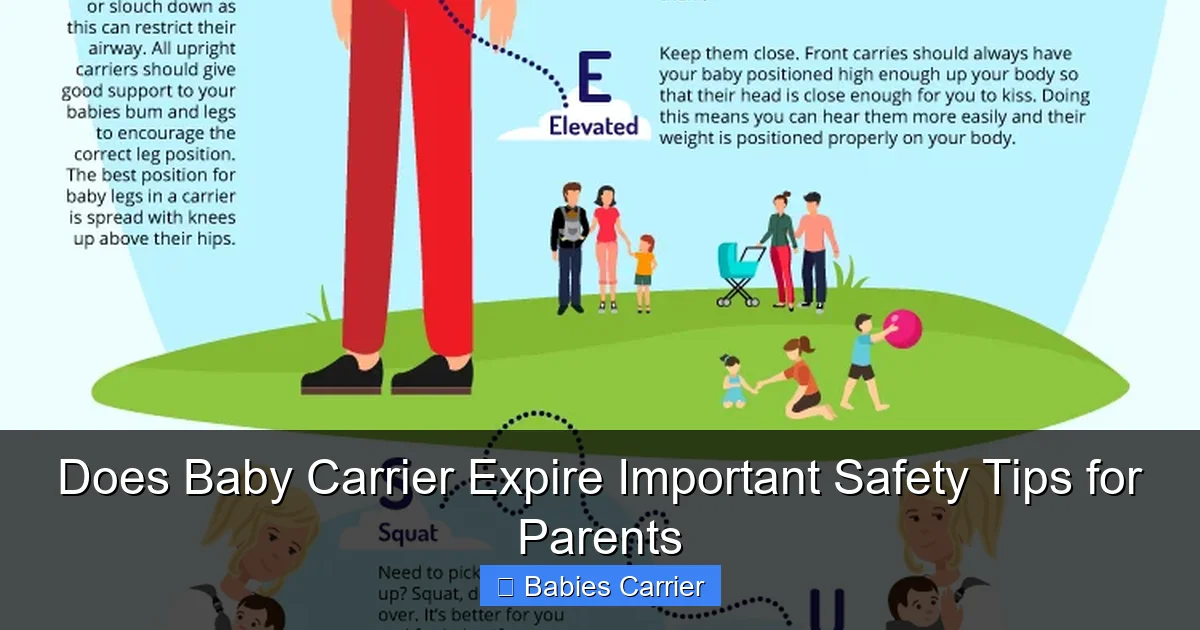
Visual guide about Does Baby Carrier Expire Important Safety Tips for Parents
Image source: yourcub.com
What Affects Lifespan?
Several factors can affect the lifespan of a baby carrier:
- Materials: Some fabrics wear out faster than others. For example, mesh fabrics may degrade quicker than cotton.
- Construction: Carriers with reinforced stitching and high-quality buckles tend to last longer.
- Usage: Frequent use can lead to wear and tear, whereas occasional use may prolong its life.
Expiration Dates and Manufacturer Guidelines
Many manufacturers provide an expiration date for their baby carriers, typically ranging from 2 to 10 years. This date is based on safety standards and material degradation over time. Always refer to the manufacturer’s instructions for specific lifespan recommendations.
How to Properly Care for Your Baby Carrier
Caring for your baby carrier can significantly extend its life. Here are some tips:
Cleaning Your Carrier
Regular cleaning is essential. Follow these steps:
- Check Care Instructions: Always follow the manufacturer’s cleaning instructions.
- Spot Clean: Use a damp cloth and mild soap to spot clean stains.
- Machine Wash: If the carrier is machine washable, use a gentle cycle and cold water. Air dry to prevent shrinkage.
Inspecting for Wear and Tear
Regularly check your carrier for signs of damage:
- Check Straps: Look for fraying or damage in the straps.
- Examine Buckles: Ensure buckles function properly and close securely.
- Fabric Condition: Inspect the fabric for thinning or tears.
Signs It’s Time to Replace Your Baby Carrier
Even with proper care, you may need to replace your baby carrier. Here are some signs:
Visible Damage
If you notice any visible damage, such as tears or broken straps, it’s time for a replacement.
Exceeding Weight Limits
Every carrier has a weight limit. Check the manual to ensure you haven’t exceeded this limit.
Loss of Functionality
If the carrier no longer adjusts properly or if buckles are difficult to use, it may no longer be safe.
Storage Tips for Baby Carriers
Proper storage can enhance the lifespan of your carrier. Consider these tips:
Ideal Storage Conditions
- Avoid Humidity: Store in a dry place to prevent mold and mildew.
- Temperature Control: Keep away from direct sunlight and extreme temperatures.
- Fold Carefully: Store the carrier folded neatly to maintain its shape.
Safety Standards and Recalls
Stay informed about safety regulations and recalls. Here’s how:
Check for Recalls
Visit the Consumer Product Safety Commission (CPSC) website regularly to check for any recalls related to your baby carrier.
Understand Safety Standards
Familiarize yourself with the safety standards set by organizations like ASTM International to ensure your carrier meets safety guidelines.
Practical Tips for Using Baby Carriers Safely
Using a baby carrier correctly is essential for your baby’s safety. Here are some practical tips:
Follow Manufacturer Guidelines
Always use the carrier as recommended by the manufacturer, including weight limits and positioning.
Proper Positioning
Make sure your baby is positioned correctly in the carrier. They should be snug and secure, with their face visible and not obstructed.
Check Before Each Use
Before each use, double-check that all straps and buckles are secure and the fabric is free from damage.
Troubleshooting Common Issues
If you experience issues with your baby carrier, here are some common troubleshooting tips:
Difficulty Adjusting Straps
If straps are hard to adjust, check for any obstructions or twisting. If the mechanism is broken, consider replacing the carrier.
Uncomfortable Fit
If your baby seems uncomfortable, ensure they are positioned correctly and the carrier fits snugly. Adjust straps as needed.
Conclusion
Understanding whether baby carriers expire is crucial for your child’s safety. Regular maintenance, proper storage, and adherence to safety guidelines can significantly extend the life of your carrier. Always prioritize your baby’s comfort and safety. If in doubt about the condition of your baby carrier, it’s always best to err on the side of caution and replace it. By taking these steps, you can enjoy the convenience of babywearing while ensuring your little one is safe and secure.
🎥 Related Video: Dr. Imran Patel🩺: How Safe Are Diapers for Your Baby’s Skin 👶🏻 #shorts #healthtips #babycarerips
📺 PINKVILLA
Dr. Imran Patel : How Safe Are Diapers for Your Baby’s Skin #shorts #healthtips #babycarerips.