
In this guide, you’ll discover the optimal duration for keeping your baby in a carrier, ensuring both comfort and safety. Learn key age milestones and practical tips to keep your little one happy while using a carrier.
Key Takeaways
- Point 1: Newborns can be carried for short periods, typically 30 minutes to 1 hour, depending on their comfort and needs.
- Point 2: As babies grow, they can stay in carriers longer—up to 2 hours or more as they become accustomed to it.
- Point 3: Always monitor your baby for signs of discomfort, such as fussing or arching their back.
- Point 4: Ensure proper positioning to support your baby’s hips and spine, especially for newborns.
- Point 5: Use breaks to allow your baby to stretch and prevent overstimulation.
- Point 6: Choose a comfortable carrier that suits both your and your baby’s needs for longer durations.
- Point 7: Consult with a pediatrician if you have concerns about your baby’s comfort in a carrier.
How Long Should a Baby Be in a Carrier for Comfort and Safety
Carrying your baby in a carrier can be a fantastic way to bond with your little one while keeping your hands free. However, knowing how long to keep your baby in a carrier is crucial for their comfort and safety. In this guide, you will learn about recommended durations based on your baby’s age, signs of discomfort to watch for, and practical tips to make carrier use enjoyable for both you and your baby.
Understanding Baby Carrier Basics
Before diving into how long your baby should be in a carrier, let’s review what a baby carrier is and its benefits. A baby carrier holds your baby close to your body, allowing you to move around while providing comfort and security for your little one. Carriers come in various forms, including:
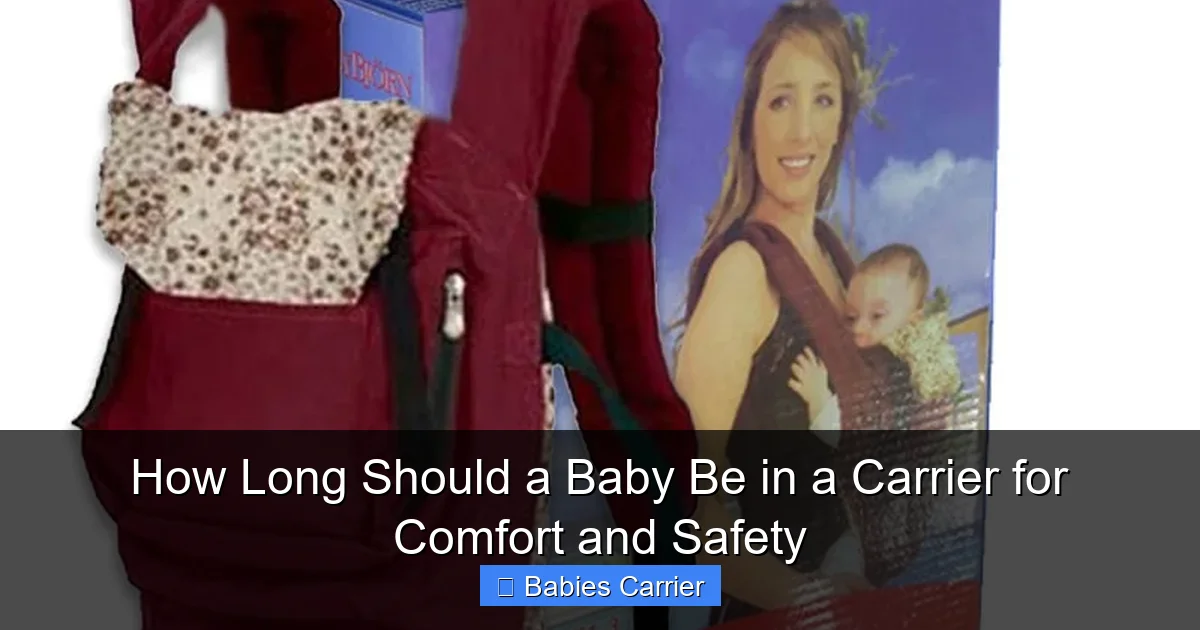
Visual guide about How Long Should a Baby Be in a Carrier for Comfort and Safety
Image source: shoppersbd.com
- Wraps: Long pieces of fabric that you tie around yourself and your baby.
- Slings: Fabric loops that cradle your baby, usually worn over one shoulder.
- Soft-structured carriers: Sturdy carriers with buckles and straps that offer more support.
- Backpacks: Carriers designed for older babies and toddlers, letting you carry them on your back.
Each type has its pros and cons, and the right choice can affect how long your baby can comfortably stay inside.
Recommended Duration by Age
Newborns (0-3 months)
For newborns, it’s essential to be cautious. Generally, limit carrier time to 30 minutes to 1 hour at a time. Newborns need frequent feedings, diaper changes, and cuddle time, so short intervals work best. Always ensure the baby’s head and neck are well-supported.
Infants (3-6 months)
As your baby grows, they will start to enjoy being in a carrier for longer periods. At this stage, you can carry them for about 1 to 2 hours. Make sure to check on them regularly to ensure they are comfortable and not overstimulated. Offering breaks for tummy time is also beneficial for their development.
Crawlers (6-12 months)
Once your baby starts crawling, they may want to be in the carrier for up to 2 hours as they explore the world. However, it’s crucial to give them breaks often. Allow them to stretch and explore on their own when possible.
Older Babies and Toddlers (12 months and up)
For toddlers, the duration in a carrier can extend to 2-3 hours, depending on their activity level. They may enjoy the ride when they’re tired but also need time to walk and play. Look for signs of discomfort or boredom.
Signs of Discomfort
Regardless of age, it’s vital to watch for signs that your baby is uncomfortable in the carrier. These can include:
- Fussing or crying
- Arching their back
- Turning their head away
- Becoming quiet or lethargic
If you notice any of these signs, it’s time to take a break and check on their needs.
Practical Tips for Comfort
Choosing the Right Carrier
Picking a comfortable carrier is essential for both you and your baby. Look for:
- Good support for your baby’s head and neck, especially for newborns.
- Adjustable straps for a snug fit.
- Soft, breathable fabric to keep your baby cool.
- A design that distributes weight evenly across your body to reduce strain.
Positioning Matters
Proper positioning is crucial to ensure your baby’s comfort. For newborns, ensure they are in a natural seated position with their knees higher than their hips. For older babies, they can be placed in a front-facing position when they can support their head and neck.
Take Breaks
Even if your baby is content, remember to take breaks. Every 30 minutes to 1 hour, remove your baby from the carrier for a few minutes. This gives them a chance to stretch and experience the world from a different perspective.
Troubleshooting Common Issues
Sometimes, you may encounter challenges while using a baby carrier. Here are some common issues and solutions:
- Baby won’t stay in the carrier: Ensure the carrier is comfortable and check for any signs of discomfort. You may need to try a different style or adjust the straps.
- Baby seems fussy: They may need a break or be overstimulated. Try taking them out for a few minutes to calm down.
- Carrier causes back pain: Adjust the straps to ensure weight is evenly distributed. Consider consulting a chiropractor if pain persists.
Conclusion
Knowing how long your baby should be in a carrier is vital for their comfort and safety. Start with shorter periods for newborns and gradually increase the duration as they grow. Always pay attention to your baby’s cues and ensure they are comfortable. With the right carrier and proper positioning, both you and your baby can enjoy the benefits of babywearing. Happy carrying!
🎥 Related Video: The do’s and don’ts of baby carriers 🚼 #shorts #babycarrier #momtip #chiro #baby #chiropractor
📺 Momma’s Chiro