
In this essential guide, you will learn how a baby carrier should fit for both your comfort and your baby’s safety. We provide step-by-step instructions and practical tips to help you find the perfect fit, ensuring a delightful carrying experience.
Key Takeaways
- Proper Positioning: Ensuring your baby is in an ergonomic position is key for comfort.
- Adjusting Straps: Straps should be snug but not too tight; adjust them to fit your body shape.
- Weight Distribution: A well-fitted carrier distributes your baby’s weight evenly to prevent strain.
- Check for Safety: Always ensure all clips and straps are securely fastened before use.
- Follow Manufacturer Guidelines: Consult the instruction manual for specific fitting instructions related to your carrier.
- Practice Makes Perfect: It may take time to adjust; practice wearing the carrier with your baby.
- Comfort Check: Regularly check for signs of discomfort for both you and your baby while using the carrier.
Essential Guide on How Should Baby Carrier Fit for Comfort
Welcome! If you’re a new parent or an experienced one looking to use a baby carrier, understanding how it should fit is crucial. A properly fitted baby carrier can make outings enjoyable for both you and your little one. In this guide, we’ll go through the essential steps to ensure your baby carrier fits comfortably and securely. You’ll also find practical tips and troubleshooting advice along the way. Let’s dive in!
Why the Right Fit Matters
Before we discuss how to fit a baby carrier, it’s essential to understand why getting it right matters. A well-fitting carrier helps distribute your baby’s weight evenly, reducing strain on your back and shoulders. It also keeps your baby safe and comfortable, promoting a positive carrying experience. Let’s explore the steps you need to take to achieve this perfect fit.
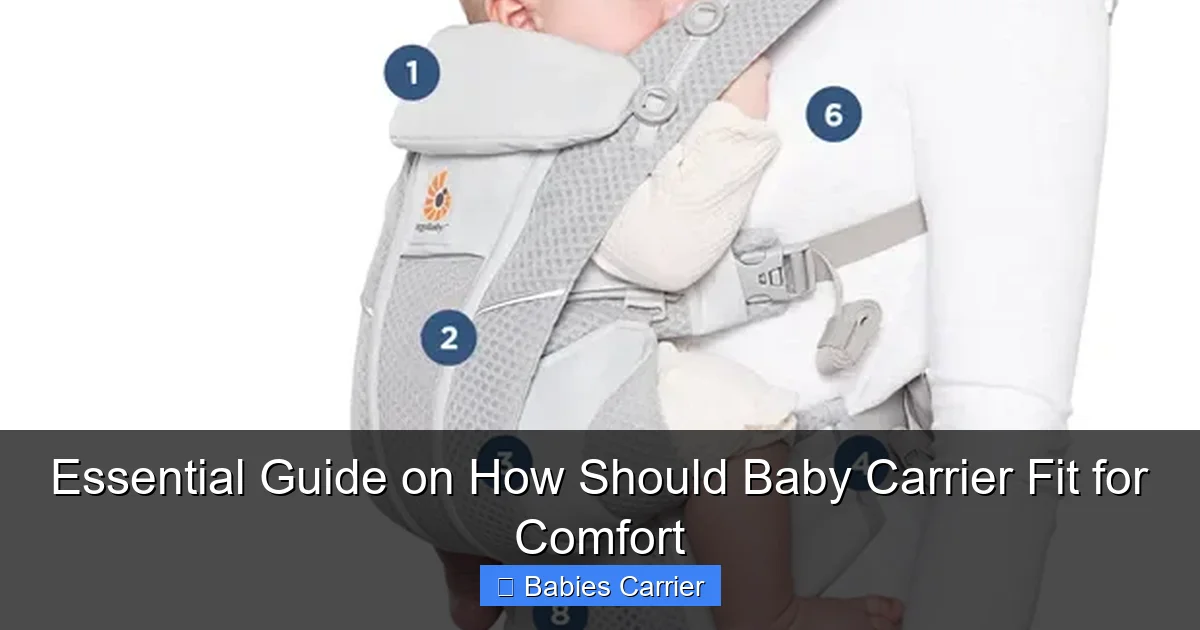
Visual guide about Essential Guide on How Should Baby Carrier Fit for Comfort
Image source: ergobaby.eu
Step 1: Choose the Right Carrier
Different baby carriers come with various designs and features. Here are some common types:
- Wrap Carriers: Made from stretchy fabric, they can be adjusted to fit snugly around your baby.
- Soft Structured Carriers: These have padded straps and offer more structure for support.
- Mei Tais: A hybrid of wrap and structured carriers, they are adjustable and versatile.
- Slings: These are fabric loops that can be worn over one shoulder, ideal for quick carrying.
Choosing the right carrier will set the foundation for a proper fit.
Step 2: Preparing the Carrier
Read the Manual
Every carrier comes with a manual. Before you start, take a moment to read through it. This will provide specific fitting instructions unique to your model.
Inspect the Carrier
Check for any wear and tear. Ensure all straps, buckles, and clips are functioning correctly. A damaged carrier can compromise safety.
Step 3: Adjusting the Carrier
Loosen All Straps
Start with all straps loosened. This will make it easier to put on the carrier and adjust it around your body.
Put the Carrier On
Slip the carrier over your head or buckle it around your waist, depending on the type of carrier. Make sure it sits comfortably on your hips or waist, not too high or low.
Tighten the Straps
Begin tightening the straps, starting from the waist and moving to the shoulder straps. They should feel snug but not uncomfortably tight. You should be able to slide a finger between the strap and your shoulder.
Step 4: Positioning Your Baby
Correct Baby Position
Your baby should be positioned high on your chest, with their chin slightly off your chest. Their knees should be higher than their bottom, creating a natural “M” shape with their legs. This position ensures proper hip development.
Securing the Baby
Once your baby is in position, secure the carrier around them. Make sure the carrier’s fabric supports their back and head. If using a wrap or sling, ensure it’s snug but allows for some movement.
Step 5: Final Adjustments
Check for Comfort
After securing your baby, take a moment to check the fit. Your baby should feel secure but not restricted. You should also feel balanced and supported.
Look for Signs of Discomfort
Pay attention to any signs your baby may be uncomfortable, such as fussiness, or if you feel strain in your back or shoulders. Adjust the straps as needed until everyone feels comfortable.
Step 6: Troubleshooting Common Issues
Baby is Too Low
If your baby is sitting too low, the carrier may not be adjusted correctly. Loosen the waist strap and pull the shoulder straps tighter to lift your baby higher.
Straps Digging into Shoulders
If the straps are digging in, they may be too tight. Loosen them slightly and recheck the fit. Ensure that the weight is equally distributed.
Carrier Feels Unbalanced
If you feel off-balance, double-check that the carrier is centered on your body. Adjust the waist strap to ensure it’s sitting correctly on your hips.
Conclusion
Finding the right fit for your baby carrier is essential for your and your baby’s comfort. By following these steps and making the necessary adjustments, you can enjoy a secure and comfortable carrying experience. Remember to regularly check the fit and adjust as needed, as both you and your baby will grow and change. Happy carrying!
🎥 Related Video: Comfortable & High Quality Breathable Front Baby Carrier Bag
📺 ZM Collections