Using a wrap as a baby carrier can enhance comfort and bonding between you and your little one. This guide will walk you through the steps to safely and effectively wrap your baby, ensuring both safety and ease for you both.
Key Takeaways
- Comfortable Carrying: Using a wrap allows for hands-free carrying while keeping your baby close.
- Bonding Benefits: Skin-to-skin contact enhances emotional connection between parent and child.
- Versatile Styles: Wraps can be used in various positions, such as front, hip, or back carries.
- Adjustable Fit: The wrap can be adjusted to fit different body types and preferences.
- Safety First: Always ensure your baby is securely positioned to prevent any accidents.
- Practice Makes Perfect: Don’t worry if it takes time to master the wrap; practice will improve your skills.
- Easy to Clean: Most wraps are machine washable for convenience.
How to Use a Wrap as a Baby Carrier for Comfort and Bonding
Welcome to your comprehensive guide on using a wrap as a baby carrier! In this article, you’ll learn how to safely and comfortably carry your baby using a wrap. We’ll cover different wrapping techniques, practical tips, and troubleshooting advice. By the end of this guide, you’ll be ready to enjoy the wonderful experience of babywearing.
Understanding Baby Wraps
Before diving into the instructions, it’s important to understand what a baby wrap is. A wrap is a long piece of fabric that you can tie around your body to carry your baby securely. They come in various materials, including cotton, linen, and stretchy blends, allowing you to choose one that fits your needs. Wraps are known for their comfort and versatility, making them a popular choice among parents.
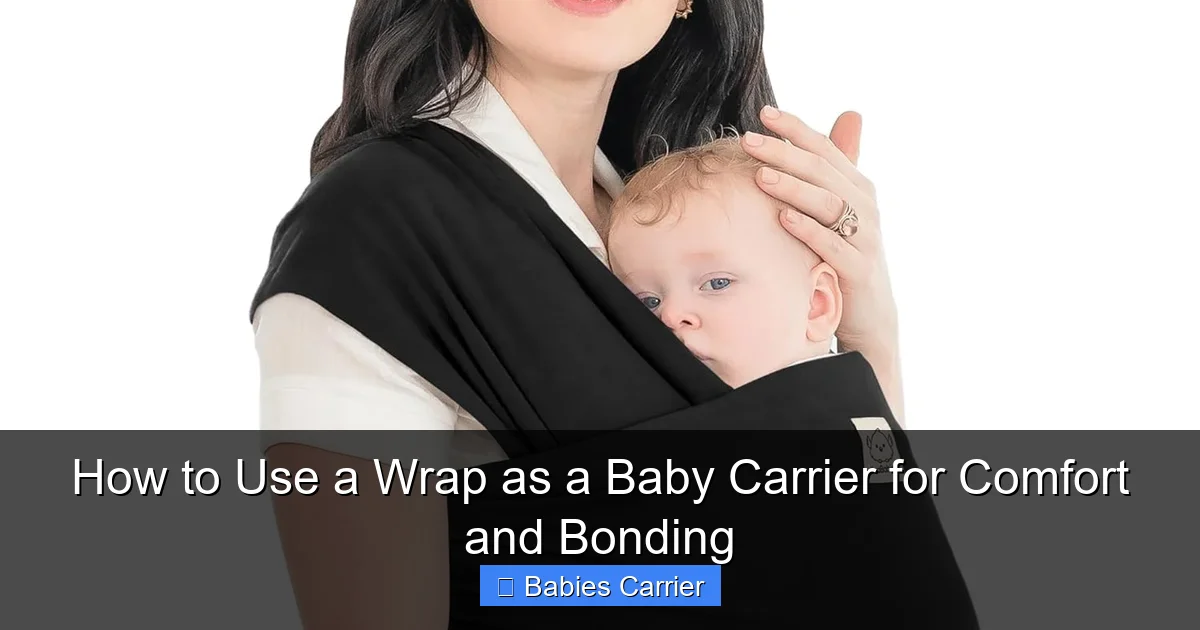
Visual guide about How to Use a Wrap as a Baby Carrier for Comfort and Bonding
Image source: m.media-amazon.com
Choosing the Right Wrap
When selecting a baby wrap, consider the following:
- Material: Look for breathable fabrics for comfort.
- Length: Wraps come in various lengths; choose one that suits your body size.
- Stretch: Some wraps are stretchy, while others are woven. Stretchy wraps are easier for beginners.
Preparing to Wrap Your Baby
Before you start wrapping, gather everything you need:
- Your baby wrap
- A calm and safe environment
- Your baby, who should be in a good mood!
Step-by-Step Instructions for Wrapping Your Baby
Step 1: Find the Center of the Wrap
Hold the wrap lengthwise and find the center. This is where your baby’s back will rest. You can mark it with a fabric marker or just remember where it is.
Step 2: Position the Wrap
Place the center of the wrap on your chest, just below your collarbone. Let the ends drape over your shoulders and down your back.
Step 3: Cross the Ends Behind Your Back
Take the end on your right side and bring it across your back to your left side, then do the same with the left end. You should now have an “X” shape across your back.
Step 4: Bring the Ends to the Front
Bring both ends of the wrap around your waist and tie them securely. Make sure the wrap is snug but not too tight, allowing your baby to breathe easily.
Step 5: Prepare to Insert Your Baby
Before placing your baby in the wrap, ensure you have a good grip on the fabric and are ready to support their weight. Hold your baby close to your chest in a seated position.
Step 6: Insert Your Baby
Slide your baby into the wrap. Their legs should be in an “M” position, with their knees higher than their bottom. Ensure their head is supported and turned to the side for easy breathing.
Step 7: Adjust the Wrap
Adjust the fabric around your baby’s back and legs to ensure they are secure. The wrap should feel snug but comfortable for both of you. You can use both hands to adjust the fabric for a better fit.
Tips for a Successful Wrap
- Practice: It may take a few tries to get it right. Don’t be discouraged!
- Watch Video Tutorials: Online videos can provide visual guidance to help you master wrapping techniques.
- Ask for Help: If possible, have someone assist you the first few times you wrap your baby.
Common Troubleshooting Tips
If you encounter issues while wrapping, consider the following:
- Baby Slipping: If your baby is slipping down, check the tightness of the wrap and adjust accordingly.
- Discomfort: If the wrap feels uncomfortable, reassess the tightness and position. Make sure it’s snug but not overly tight.
- Baby’s Position: Always ensure your baby’s chin is off their chest and their airways are clear.
Conclusion
Using a wrap as a baby carrier is a wonderful way to bond with your little one while keeping your hands free. With practice and patience, you’ll become a pro at wrapping your baby safely and comfortably. Remember, every parent’s journey is unique, and it’s perfectly okay to take your time to master this skill. Enjoy the closeness and convenience that babywearing offers!
🎥 Related Video: Tuck and Bundle baby wrap review and tutorial!
📺 Tuck and Bundle
Casey shows us just how easy a baby wrap style carrier can be for newborns. This is a great tutorial for new moms with new …