In this guide, you will learn everything you need to know about the safety of baby carriers for your little ones. Understanding how to choose the right carrier and use it properly is essential for ensuring both comfort and security. From types of carriers to safety tips, we’ve got you covered!
Key Takeaways
- Point 1: Baby carriers provide comfort and security, allowing parents to keep their little ones close while maintaining mobility.
- Point 2: Choosing the right type of carrier is essential; consider options like wraps, slings, and structured carriers based on your lifestyle.
- Point 3: Proper positioning is crucial for your baby’s safety—ensure their hips are supported and their airways are clear.
- Point 4: Always follow the manufacturer’s guidelines regarding weight limits and age recommendations for your baby carrier.
- Point 5: Regularly inspect your baby carrier for wear and tear to maintain safety standards.
- Point 6: Take time to practice putting the carrier on and adjusting it correctly for maximum comfort for both you and your baby.
- Point 7: Seek recommendations and reviews from trusted sources to find a carrier that suits your needs best.
Is Baby Carrier Safe for Your Little Ones Comfort and Security
Baby carriers have become an essential tool for modern parents. They offer a convenient way to keep your little one close while allowing you to navigate your daily life. However, safety is always a priority when it comes to carrying your baby. In this guide, we will explore the safety aspects of baby carriers, helping you make informed decisions for your child’s comfort and security.
Understanding Baby Carriers
Before diving into safety tips, it’s essential to understand the types of baby carriers available. There are mainly three types:
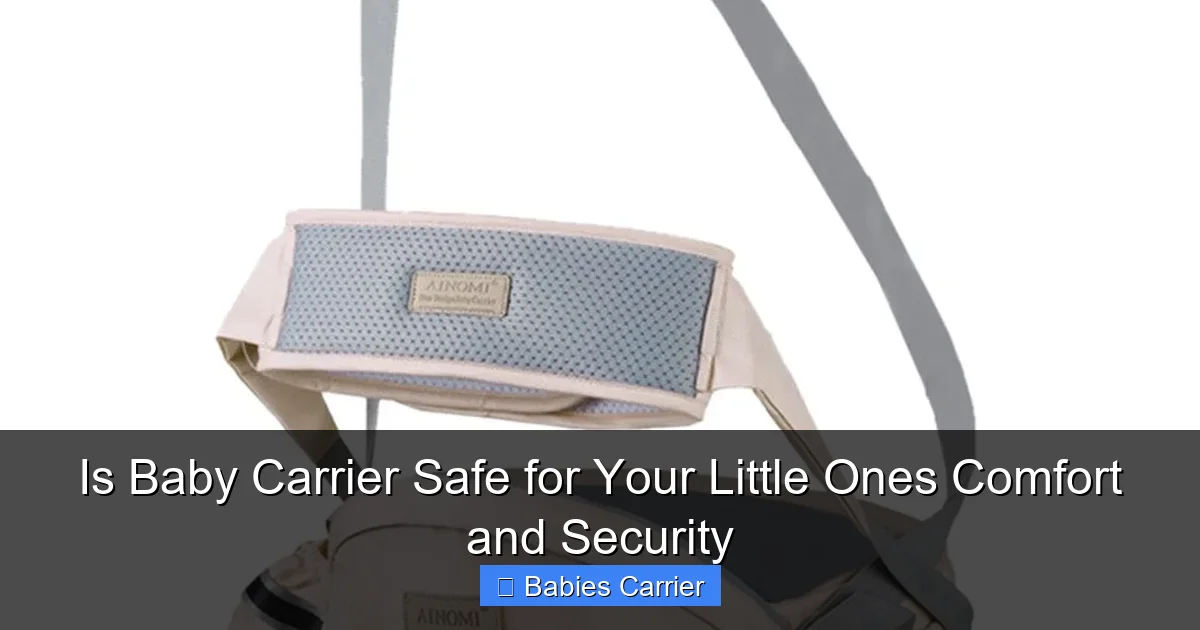
Visual guide about Is Baby Carrier Safe for Your Little Ones Comfort and Security
Image source: images.nexusapp.co
- Wraps: These are long pieces of fabric that you wrap around your body and your baby. They offer excellent closeness and comfort.
- Slings: Similar to wraps but with a ring or buckle for quick adjustments, slings are easy to use and great for quick trips.
- Structured Carriers: These carriers have a defined structure with padded straps and support. They are often easier to use for longer outings.
Choosing the Right Baby Carrier
Selecting the right carrier is crucial for safety. Here are some steps to consider:
Step 1: Assess Your Needs
Consider your lifestyle. Are you an active parent who enjoys hiking? Or do you need something easy for quick trips to the store? This will help narrow down your options.
Step 2: Check Age and Weight Limits
Always refer to the manufacturer’s guidelines regarding age and weight limits. Using a carrier that exceeds these limits can put your baby at risk.
Step 3: Try Before You Buy
If possible, try out different carriers before purchasing. Many stores offer babywearing classes where you can test carriers with your baby. This can help you find the best fit for both of you.
Proper Positioning for Safety
Once you have selected a carrier, proper positioning is vital for your baby’s safety. Here’s how to ensure your baby is securely placed:
Step 1: Check the Seat Position
Ensure that your baby is in a seated position with their legs in an “M” shape. This position supports healthy hip development.
Step 2: Keep Airway Clear
Your baby’s chin should not be resting on their chest. Make sure their face is visible, and their airways are clear at all times.
Step 3: Adjust Straps for Comfort
Make sure that the straps are snug but not too tight. You should be able to fit two fingers between the straps and your baby.
Regular Maintenance and Inspection
Regularly checking your baby carrier is important to maintain safety.
Step 1: Inspect for Wear and Tear
Look for any frayed straps, broken buckles, or worn fabric. If you notice any damage, it’s time to replace the carrier.
Step 2: Clean the Carrier
Follow the manufacturer’s cleaning instructions. Keeping the carrier clean ensures it remains safe and comfortable for your baby.
Tips for a Safe and Comfortable Experience
Here are some practical tips to enhance the safety and comfort of your baby carrier experience:
- Practice: Take the time to practice putting the carrier on and adjusting it properly before heading out. This will help you feel more confident.
- Use a Mirror: Using a mirror can help you check the positioning of your baby while you adjust the carrier.
- Take Breaks: If wearing your baby for extended periods, make sure to take breaks to prevent discomfort for both of you.
- Stay Aware: Always be aware of your surroundings, especially when navigating crowded areas.
Troubleshooting Common Issues
Even with the best precautions, you may encounter some common issues. Here’s how to address them:
Issue 1: Baby Cries in the Carrier
If your baby seems uncomfortable or cries while in the carrier, check their positioning. Ensure they are secure and that their airways are clear. Sometimes, adjusting the carrier or taking them out for a moment can help.
Issue 2: Discomfort for the Parent
Ensure the carrier is adjusted correctly. If you’re experiencing discomfort, try redistributing the weight by adjusting the straps or switching positions.
Conclusion
Baby carriers can be a safe and comfortable option for you and your little one when used correctly. By understanding the types of carriers available, choosing the right one, ensuring proper positioning, and maintaining the carrier, you can provide a secure environment for your baby. Remember, taking the time to practice and being aware of your surroundings will enhance the experience for both you and your child. Happy babywearing!
🎥 Related Video: The do’s and don’ts of baby carriers 🚼 #shorts #babycarrier #momtip #chiro #baby #chiropractor
📺 Momma’s Chiro