In this guide, you will learn when to use a baby carrier for your newborn and the advantages of doing so. From safety tips to practical advice, this guide covers everything you need to know for a positive baby-wearing experience.
Key Takeaways
- Point 1: Newborns can be carried safely in a baby carrier from birth, as long as the carrier supports their head and neck properly.
- Point 2: Baby carriers promote bonding through skin-to-skin contact, which is beneficial for both the baby and the parent.
- Point 3: Choose a carrier that is ergonomically designed to ensure comfort for both you and your newborn.
- Point 4: Always pay attention to your baby’s cues; if they seem uncomfortable or fussy, it may be time to adjust or remove them from the carrier.
- Point 5: Regularly check the carrier for wear and tear to ensure it remains safe for use.
- Point 6: Practice putting the carrier on and taking it off before you need to use it, making the process seamless during outings.
- Point 7: Consider the environment when using a carrier—avoid crowded places until you are comfortable with baby-wearing.
When to Use Baby Carrier for Newborn: A Parent’s Guide
Congratulations on your new arrival! As a new parent, you may be wondering how to balance daily tasks and caring for your newborn. One solution that many parents love is the baby carrier. In this guide, we’ll discuss when to use a baby carrier for your newborn and how to do so safely and effectively.
Understanding Baby Carriers
Baby carriers come in various styles, including wraps, slings, and structured carriers. Each type has unique features that cater to different needs. Understanding these options will help you choose the right carrier for your newborn.
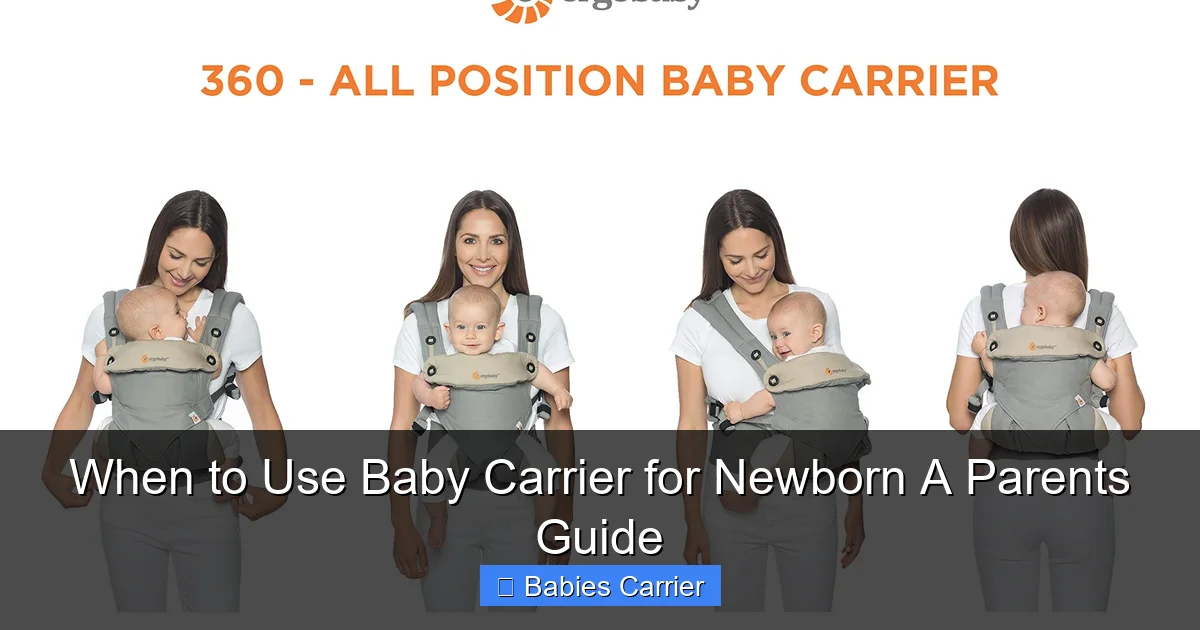
Visual guide about When to Use Baby Carrier for Newborn A Parents Guide
Image source: m.media-amazon.com
Types of Baby Carriers
- Wraps: Long pieces of fabric that can be tied around your body to create a secure hold for your baby.
- Slings: A one-shoulder carrier that allows for easy adjustments and quick access to your baby.
- Structured Carriers: Pre-formed carriers with buckles and straps for added support and ease of use.
When to Start Using a Baby Carrier
So when can you start using a baby carrier for your newborn? The answer is simple: you can begin using a baby carrier from day one, as long as you follow safety recommendations.
Safety First
Before you start using a baby carrier, make sure it meets the following criteria:
- It supports your baby’s head and neck properly.
- It is made of breathable and safe materials.
- It fits you securely and comfortably.
Benefits of Using a Baby Carrier
Using a baby carrier has multiple benefits for both you and your newborn:
- Bonding: Carrying your baby close promotes skin-to-skin contact, fostering emotional connection.
- Hands-Free: A carrier allows you to keep your hands free for daily tasks while keeping your baby close.
- Comfort: Newborns often feel more secure and comforted when being carried, which can lead to less crying.
- Convenience: A baby carrier is often easier to maneuver in tight spots than a stroller.
How to Safely Use a Baby Carrier
Now that you understand when to start using a baby carrier and its benefits, let’s dive into the steps for safe use.
Step 1: Choose the Right Carrier
Select a carrier that suits your lifestyle and your newborn’s size. Look for one that offers good head and neck support.
Step 2: Practice Wearing the Carrier
Before your first outing, practice putting the carrier on and adjusting it. This will help you feel more confident when carrying your baby.
Step 3: Position Your Baby Correctly
When placing your newborn in the carrier, ensure that:
- Their head is supported and not slumping forward.
- They are in an “M” position with their knees higher than their bottom.
- Your baby’s chin is off their chest to allow for proper breathing.
Step 4: Monitor Your Baby’s Comfort
Always keep an eye on your baby. If they seem uncomfortable, adjust their position or remove them from the carrier. Look for signs of fussiness or difficulty breathing.
Step 5: Take Breaks
While baby-wearing is convenient, it’s essential to take breaks. Make sure to switch positions and let your baby stretch out periodically.
Common Challenges and Troubleshooting
Even with the best intentions, you may encounter some challenges while using a baby carrier. Here are some common issues and how to address them:
Baby Seems Uncomfortable
If your baby appears fussy or uncomfortable, check to ensure they are positioned correctly. Adjust the carrier if necessary and try to soothe them with gentle rocking.
Carrier is Uncomfortable for You
If the carrier feels uncomfortable, make sure it’s adjusted correctly. Consider switching to a different style or brand that offers better support for your body type.
Difficulty Putting the Carrier On
If you find it challenging to put the carrier on, practice in front of a mirror or ask for help from a partner or friend. Familiarity will make the process smoother.
Tips for Successful Baby-Wearing
Here are some additional tips to enhance your baby-wearing experience:
- Dress your baby in comfortable clothing that fits well.
- Plan outings in quieter environments until you feel confident with the carrier.
- Introduce the carrier gradually, allowing your baby to acclimate to being worn.
Conclusion
Using a baby carrier for your newborn can be a rewarding experience that enhances bonding and provides convenience in your daily life. Remember to prioritize safety, monitor your baby’s comfort, and practice using the carrier before outings. With the right carrier and techniques, you can enjoy the many benefits of baby-wearing, creating precious memories with your little one.
🎥 Related Video: Baby Carrier Wrap | Fits in diaper bag, Frees up mother's hands, Easy use
📺 BabyVK
Calling all superhero moms! Say goodbye to the hassle of carrying your baby with this amazing baby carrier wrap. It’s compact …