

For new parents navigating the often-exhausting world of infant sleep, what is a white noise machine for babies is a common question that arises during late-night research sessions. At its core, this device is a specialized sound generator designed to produce a consistent, ambient “blanket” of audio. By emitting a steady, non-rhythmic sound, it helps drown out unpredictable household noises—such as a squeaky floorboard, a barking dog, or television audio—that might otherwise startle a sleeping infant. If you are currently browsing for a device, you might be researching the best white noise machine for baby to help establish a more peaceful sleep environment.
Defining the nursery sound machine
A nursery sound machine is a portable or stationary electronic device engineered to generate constant, low-frequency soundscapes. Unlike a standard radio or music player, these units are purpose-built to maintain a steady decibel level without jarring shifts in tempo or volume.
Modern units often feature:
- A variety of sound profiles: Including white, pink, and brown noise, or even nature-inspired loops.
- Dedicated hardware: Designed for durability and ease of use during middle-of-the-night wake-up calls.
- Portable versatility: Many models are battery-operated, allowing parents to maintain a consistent sleep environment while traveling.
According to resources like the National Sleep Foundation, maintaining a controlled environment is essential for developmental health, making these devices a staple in the modern American nursery.
The science behind white noise and sleep
Understanding what is a white noise machine for babies also requires looking at the acoustic physics behind why it works. White noise is defined as a sound that contains all frequencies across the spectrum of audible sound in equal measure. In the context of infant sleep, it acts as a “sound buffer.”
The primary scientific benefits include:
- Reduction of the “Startle Reflex”: By narrowing the gap between silence and sudden loud noises, the machine helps prevent the infant from waking abruptly.
- Sound Masking: It raises the “floor” of ambient noise in the room, ensuring that external spikes in volume seem less significant to the baby’s brain.
- Psychological Association: Over time, the sound acts as a sensory cue, signaling to the infant that it is time to transition into a rest state.
Research on auditory stimulation, such as studies found on PubMed, suggests that consistent background sound can be a helpful tool in sleep hygiene, provided that parents understand is it okay to play white noise all night for a baby? and adhere to safe volume guidelines to protect sensitive developing ears.
How White Noise Mimics the Womb
Understanding what is a white noise machine for babies often begins with examining the auditory environment of the womb. Far from the quiet sanctuary many expect, the prenatal environment is a loud, rhythmic landscape filled with the sounds of a mother’s heartbeat, blood flow, and digestion. These constant, low-frequency hums create a baseline of comfort that newborns naturally crave. When parents ask, “Is it good for babies to listen to white noise?” the answer often roots back to this biological familiarity, which helps replicate the auditory security they experienced before birth. If you are looking for the right equipment, you can explore the best white noise machine for baby options to help recreate this soothing environment.
The soothing sound of prenatal life
Inside the womb, a fetus is constantly exposed to a muffled, rhythmic environment. Scientific research indicates that these sounds are essential for fetal development and auditory processing.
- The “Whoosh” Effect: The constant flow of blood through the placenta creates a steady “whooshing” sound, which is surprisingly loud—often compared to the sound of a vacuum cleaner.
- Rhythmic Familiarity: The mother’s heartbeat provides a predictable, steady tempo that acts as a natural metronome for the developing infant.
- Auditory Shielding: This prenatal acoustic backdrop effectively masks irregular, external noises, allowing the fetus to remain calm in a consistent soundscape. According to research published by the National Institutes of Health (NIH), consistent environmental stimuli play a vital role in infant sleep regulation.
Transitioning your newborn to the outside world
When a baby is born, they are suddenly thrust into a world that is often silent or punctuated by sharp, unpredictable sounds. This transition can be jarring for a nervous system accustomed to the womb’s “cacophony.”
- Bridging the Gap: A sound machine acts as a transition tool, providing a sense of continuity between the internal and external worlds.
- The Calming Reflex: By providing a consistent, womb-like background, these devices can trigger a calming reflex, helping the infant feel secure in their crib.
- Sensory Stability: Much like swaddling provides physical comfort, the sound machine provides auditory comfort. It helps infants settle more quickly because it reduces the startle response caused by sudden silence or sudden household noises.
For further reading on infant development, the American Academy of Pediatrics (AAP) provides extensive resources on creating a safe and conducive sleep environment for newborns. By understanding that the primary purpose of these devices is to mimic nature, parents can better appreciate how they support long-term healthy sleep hygiene.
Evaluating the Benefits for Infant Sleep
Understanding what is a white noise machine for babies requires looking at how these devices fundamentally change the acoustic environment of a nursery. For parents wondering if a sound machine for baby good or bad, the consensus in pediatric sleep research often points toward the positive impact of consistent auditory environments. By providing a stable “sound blanket,” these machines help infants navigate the unpredictable nature of home life, ensuring that sleep remains a priority even in busy households. For those researching the best tools to achieve this, exploring top-rated nursery sound devices can provide clarity on available hardware features.
Masking disruptive household sounds
A primary function of these devices is to act as an acoustic buffer. In a typical home, sudden noises—such as a doorbell ringing, a dog barking, or floorboards creaking—can trigger a startle reflex in a sleeping infant.
- Noise Cancellation: By raising the “noise floor” of the room, the machine reduces the contrast between silence and sudden, jarring sounds.
- Predictability: The brain interprets consistent sound as a signal of safety.
- Environmental Control: It allows parents to move about the house during nap times without the constant fear of waking the baby.
According to research published by the National Institutes of Health, environmental modifications—including sound management—play a critical role in supporting healthy infant development and establishing regular sleep patterns.
Improving sleep continuity throughout the night
Many parents ask about the practice of keeping a white noise machine baby all night. The primary benefit here is the stabilization of sleep cycles. Infants transition between light and deep sleep stages frequently, and they are often easily jolted awake during these transitions.
- Reduced Fragmented Sleep: Continuous sound helps the infant bridge the gap between sleep cycles, minimizing middle-of-the-night wakeups.
- Psychological Association: Over time, the sound acts as a sensory cue that triggers the body’s natural desire for rest, helping the baby self-soothe more effectively.
- Consistency: By running the machine throughout the night, the infant experiences a uniform environment from dusk until dawn, which is essential for developing a stable circadian rhythm.
For further reading on how auditory stimuli impact neurological health in pediatric patients, one may consult studies available via PubMed, which offers extensive literature on sleep hygiene and auditory stimulation. When utilized at appropriate volumes, these devices serve as a reliable anchor for a baby’s nocturnal routine.

Choosing the Best Device: Features to Look For
Selecting the right sound machine can feel overwhelming for new parents. Understanding what is a white noise machine for babies helps caregivers narrow down their search by focusing on utility, safety, and long-term sleep hygiene. When deciding on the right model, parents should prioritize devices that offer consistent output and adjustable settings to create an optimal sleep environment. For those researching top-tier gear, browsing a curated list of the best white noise machines for babies is a great place to start.
Portability versus stationary nursery models
The primary distinction in machine design is whether the device is meant to stay in the nursery or travel with the family.
- Stationary Nursery Models: These units are often plug-in devices that may include extra features like built-in night lights, temperature sensors, or smartphone integration. They are ideal for maintaining a consistent sleep environment at home.
- Portable/Travel Models: These are typically compact, battery-operated, or USB-rechargeable. They allow parents to maintain a familiar soundscape during vacations or daycare transitions, which helps keep a baby’s sleep routine intact.
- Decision Factor: Parents should consider whether they need a multi-purpose stationary unit or a simple, clip-on device for strollers and car seats. According to research published by the National Institutes of Health (NIH), establishing a consistent, soothing sleep environment is vital for infant development, making the portability of the device a key factor for families on the go.
Customizable sound profiles and volume control
Not all infants respond to the same frequency of sound. When evaluating what is a white noise machine for babies, it is important to look for devices that offer more than just a basic static hiss.
- Sound Variety: Many modern devices offer pink noise, brown noise, or nature sounds. Some babies find heartbeats or shushing sounds more calming than traditional white noise.
- Volume Control: Precision is essential. It is highly recommended to select a device with a wide range of volume settings rather than a simple “on/off” switch.
- Safety Standards: Parents often ask, are white noise machines healthy for babies? They are generally considered safe, provided the volume is kept at a moderate level—typically below 50 decibels—to prevent potential auditory strain. As noted by the American Academy of Pediatrics (AAP), protecting an infant’s developing hearing should be a primary concern when selecting any nursery appliance.
Key features to check before purchasing:
- Non-Looping Sounds: Ensure the sound does not have an audible “skip” or break, which can startle a sleeping infant.
- Auto-Shutoff Timer: Useful if the parent prefers the sound only for falling asleep, though many parents leave the machine on for the duration of the nap or night.
- Ease of Use: Simple button layouts are preferred for those middle-of-the-night adjustments when sleep-deprived parents need to make changes quickly.
Safety First: Proper Volume and Placement
When parents research what is a white noise machine for babies, they often overlook the critical safety parameters required for long-term use. While these devices are effective sleep aids, they must be used responsibly to ensure they support, rather than hinder, healthy development. Understanding the precise balance of volume and positioning is essential for every nursery.
Recommended decibel levels for infants
According to the American Academy of Pediatrics, creating a safe sleep environment is paramount. To prevent potential auditory damage, experts recommend the following guidelines regarding sound intensity:
- Maximum Threshold: Keep the sound volume below 50 decibels within the sleeping area.
- Measurement: Use a reliable decibel meter app on a separate device to calibrate the machine, ensuring it does not exceed safe ambient levels.
- The “Conversation” Rule: If you have to raise your voice to be heard over the machine from the crib’s position, the volume is set too high.
Research suggests that high-intensity noise can lead to long-term hearing issues or disruption of delicate sleep cycles. For parents wondering is it okay to play white noise all night for a baby?, the answer is yes, provided the volume remains low and constant throughout the night.
Optimal distance from the crib
Where you place the device is just as important as the volume setting. The inverse square law of sound physics dictates that sound intensity drops significantly as distance increases.
- Minimum Distance: Place the machine at least 7 feet (2 meters) away from the infant’s crib or bassinet.
- Avoid Proximity: Never place the device directly inside the crib or immediately next to the baby’s head.
- Direction: Aim the speaker away from the baby, ideally toward a wall or a corner of the room to diffuse the sound, creating a gentle ambient background rather than a direct, concentrated stream of audio.
For those evaluating their gear, checking out these top-rated sound machine options can help you find models that allow for precise, low-volume settings and remote distance control. Maintaining this distance helps ensure that the sound acts as a soft blanket for the ears rather than a jarring intrusive force, as noted in studies on environmental noise impacts found on PubMed.

Analyzing the Baby Sound Machine Debate
Understanding what is a white noise machine for babies requires a balanced look at the ongoing discourse among pediatricians, sleep consultants, and parents. While these devices are ubiquitous in modern nurseries, the conversation surrounding their use often oscillates between convenience and developmental concern. Parents frequently grapple with whether this technology is a necessary sleep aid or an unnecessary crutch that could impact auditory maturation.
Is using a sound machine for baby good or bad?
Determining whether a sound machine for baby good or bad is a frequent topic of debate. Proponents argue that these devices are essential tools for modern parenting, while skeptics worry about over-reliance.
- The Pro-Device Argument:
- Consistency: They provide a stable sound environment that helps infants settle faster.
- Sound Masking: They effectively drown out sudden, jarring noises like doorbells or barking dogs.
- Conditioning: The sound acts as a sensory cue that sleep time has arrived.
- The Skeptical Viewpoint:
- Dependency: Critics argue that relying on external noise may make it difficult for infants to self-soothe in silent environments.
- Auditory Masking: Excessive use might prevent a baby from acclimating to the normal volume of a household.
For those looking to explore reliable options that prioritize safety, checking a list of the best white noise machines for infants can provide insight into which models are recommended by experts.
Expert opinions on long-term auditory development
When investigating the potential risks, it is vital to consult research regarding infant sensory development. The primary concern among specialists centers on intensity and proximity.
- Hearing Safety: According to research published by the American Academy of Pediatrics, excessive exposure to loud noise can be detrimental to an infant’s developing auditory system.
- Decibel Thresholds: Experts generally recommend keeping sound machines at or below 50 decibels—roughly the sound level of a quiet office—to protect sensitive ears.
- Long-term Impacts: Current literature suggests that when used at safe, moderate volumes, there is little evidence to indicate permanent hearing damage. However, the National Institutes of Health emphasizes that prolonged exposure to high-frequency sounds can alter how an infant’s brain processes auditory input.
Key takeaways for concerned parents:
- Placement is critical: Keep the device at least seven feet away from the crib.
- Volume control: Prioritize machines with precise volume limiting.
- Gradual reduction: If parents worry about dependency, they can slowly decrease the volume over time as the child grows.
Ultimately, while the debate continues, the consensus remains that safe, low-level white noise is a helpful tool for many families, provided it is used with caution regarding volume and duration.
Insights from Parents: Reddit and Review Trends
When researching what is a white noise machine for babies, many new parents turn to online communities to gauge real-world effectiveness and safety. Because pediatric advice can vary, parents often seek peer-reviewed experiences regarding sleep hygiene and sound consistency to determine if these devices are a necessary nursery staple.
What is a white noise machine for babies reddit says
Discussions on platforms like Reddit frequently highlight that white noise is considered an essential tool for “saving” sleep during the first year. Users often debate the nuances of sound quality and the importance of continuous play. Common takeaways from these forums include:
- Consistency is Key: Many parents argue that the device is most effective when used for every nap and throughout the entire night to prevent sudden startles.
- The “All-Night” Question: A frequently asked question is, “Is it okay to play white noise all night for a baby?” Most long-term users report that keeping the sound on until the infant wakes up helps maintain a deeper sleep cycle, provided the volume remains low.
- Safety Concerns: Parents often cite guidelines from the American Academy of Pediatrics regarding safe sleep environments, emphasizing that the machine should never replace safe crib practices.
- Expert Consensus: While some users worry about dependency, many suggest that transitioning away from white noise is a bridge to cross only after the child has mastered independent sleep skills.
Top-rated models based on real-world reviews
When looking at data from major retailers like Amazon, parents prioritize ease of use, battery life, and sound quality. Finding the right fit can feel overwhelming, so many turn to expert-curated lists like these top options for the best white noise machine for baby to narrow down the selection.
Top-performing models generally share these sought-after features:
- Non-Looping Sounds: Parents highly value devices that play continuous, natural white noise rather than short, repetitive loops that can become annoying to adults.
- Smart Controls: Modern devices that allow volume adjustment via a smartphone app are trending, as they prevent parents from entering the room and potentially waking the baby.
- Portability: Many users look for rechargeable batteries to keep the device running during travel, ensuring the baby maintains the same sleep cues in hotels or at family homes.
- Scientific Backing: Some models are gaining favor because they offer frequency ranges that align with research on infant hearing, often referenced in studies found on PubMed.
When determining what is a white noise machine for babies for their own home, parents prioritize devices that offer a “set it and forget it” experience, allowing them to focus on the broader goal of healthy sleep development.
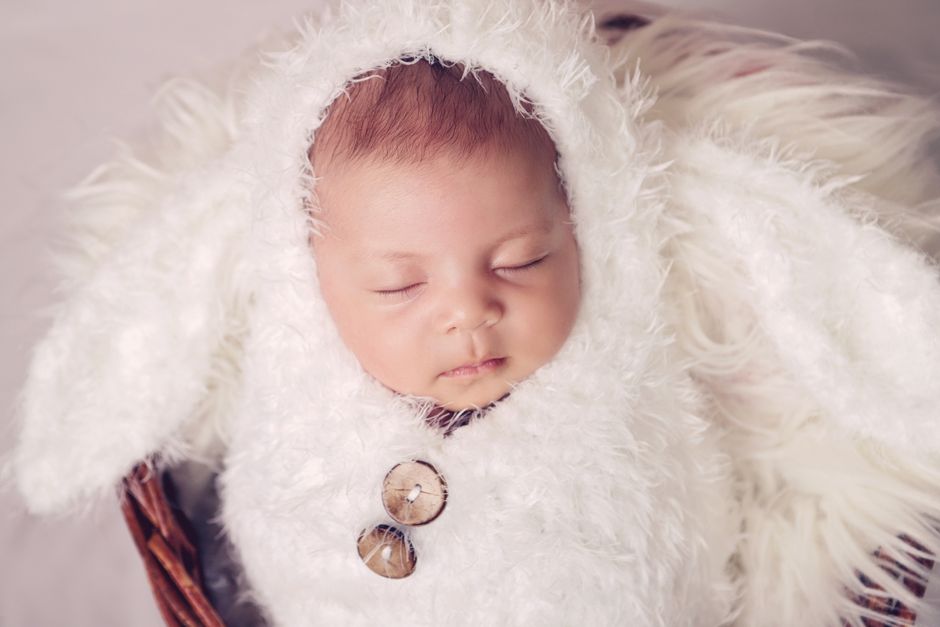
The Routine: Running White Noise Machine for Baby All Night
Establishing a consistent sleep environment is often the missing piece of the puzzle for exhausted parents. When considering what is a white noise machine for babies, many caregivers wonder if it is meant for occasional use or a permanent nightly fixture. Running a sound machine throughout the night helps maintain a stable auditory landscape, preventing sudden spikes in volume from startling an infant awake. According to experts at the American Academy of Pediatrics, creating a secure and predictable sleep space is essential for healthy development.
Benefits of consistent overnight masking
Using a device all night provides a “sound blanket” that obscures external disturbances. This consistency is vital for maintaining the deep sleep cycles necessary for infant brain development.
- Steady Ambient Sound: It masks the “clatter” of everyday life, such as a flushing toilet, a creaking floorboard, or the sudden sound of a closing door.
- Reduced Startle Response: By filling the silence, the machine prevents the contrast between quiet and sudden noise from jarring the infant.
- Improved Sleep Continuity: Is it okay to play white noise all night for a baby? Research generally supports this practice, provided the volume remains low, as it helps infants stay in the dream state longer without waking during lighter sleep phases.
To find high-quality devices that support these consistent routines, parents often look for top-rated options for the best white noise machine for baby to ensure reliability throughout the entire night.
Integrating sound into your sleep training plan
Sound machines act as a powerful sleep cue. When the machine turns on, the infant’s brain receives a conditioned signal that it is time to transition into sleep.
- Start at Bedtime: Initiate the sound machine during the wind-down routine, such as during the final feeding or book reading.
- Maintain Duration: Keep the device running until the morning wake-up time. This prevents the infant from noticing a change in the environment if the machine cuts off prematurely.
- Consistency is Key: Whether at home or traveling, using the same sound profile helps the child feel secure, as noted in studies found on PubMed.
- Sleep Training Alignment: Many parents ask what is a white noise machine for babies in the context of sleep training; it essentially functions as a “portable” nursery that the baby can take anywhere, making independent settling much easier.
By integrating this sound into every sleep session, the infant learns to associate the tone with comfort and rest, effectively reducing bedtime resistance and helping the entire family achieve more restorative sleep.
When to Stop Using White Noise for Baby
Determining what is a white noise machine for babies often leads parents to wonder if this sleep aid is a permanent fixture in the nursery. While these devices are invaluable for calming a fussy infant, they are generally intended to be a temporary tool rather than a lifelong necessity. Understanding when to stop using white noise for baby is a personal decision that typically depends on the child’s individual sleep patterns, their sensitivity to environmental noise, and the family’s long-term sleep goals.
Identifying when your child is ready to transition
Most pediatricians and sleep experts suggest that children can comfortably move away from sound machines once they reach the toddler years, typically between the ages of two and three. At this stage, children are often more capable of self-regulating and adjusting to normal household sounds.
Key indicators that it may be time to transition include:
- Improved Sleep Independence: The child consistently stays asleep despite external noises like traffic, doors closing, or television sounds in other rooms.
- Verbally Expressed Preferences: Older toddlers may eventually ask to turn the machine off, indicating they find it distracting rather than soothing.
- Consistent Sleep Training Progress: If the child has successfully mastered sleep training techniques, they may no longer require an external sound mask to drift off peacefully.
- Increased Auditory Development: Research often points toward the importance of natural environmental sounds for long-term auditory processing, which can be found in resources like PubMed.
Methods for weaning off the sound machine
The transition process should be gradual to avoid disrupting the child’s sleep quality or causing unnecessary stress. If you are questioning what is a white noise machine for babies in the context of weaning, consider these systematic approaches to remove the device:
- The Volume Taper Method: Reduce the volume of the sound machine by a small increment every few nights. This allows the child to adjust to a quieter environment slowly without a sudden sensory shift.
- Shortening the Duration: Program the machine to turn off 30 minutes earlier each week until it is no longer running when the child falls asleep.
- Introducing Alternative Comforts: Replace the sound association with another comforting element, such as a consistent bedtime story, a specific lullaby, or a transitional object like a safe lovey, ensuring you consult guidelines from the National Institute of Child Health and Human Development regarding safe sleep environments.
- Maintaining Consistency: During the weaning phase, ensure the rest of the bedtime routine remains rock-solid to provide a sense of security.
If you find that your child still benefits from ambient sound, you might consider top-rated sound machine options that offer advanced timers and gradual fading features, allowing for a more seamless eventual exit from the sleep routine. Remember, there is no “correct” deadline; prioritize your child’s comfort and your family’s overall well-being throughout the process.

Comparing White Noise, Pink Noise, and Brown Noise
When parents research what is a white noise machine for babies, they often encounter a variety of sound color options. While standard white noise is the most common, understanding the differences between sound frequencies can help caregivers optimize the nursery environment. Choosing the right tone can be a game-changer for sleep, as outlined in the best white noise machine for baby reviews.
Differentiating sound frequencies
Sound “colors” are defined by the distribution of energy across the frequency spectrum. Scientific literature, such as studies found on PubMed, often categorizes these sounds based on how our ears perceive them:
- White Noise: Contains all audible frequencies at equal intensity. It sounds like static from an untuned television or a loud fan. It is highly effective at masking sudden, sharp sounds in the house.
- Pink Noise: Features lower frequencies with more power than white noise. To the human ear, it sounds deeper and more “even,” similar to the gentle rustling of leaves or a steady, rhythmic rain shower.
- Brown Noise: Also known as Red Noise, this frequency focuses heavily on the lowest end of the spectrum. It sounds like a low, deep rumble—much like distant thunder or a powerful waterfall.
According to research on acoustic environments, these variations influence how the brain processes ambient background sound.
Which frequency works best for your infant?
Determining the ideal sound profile is often a process of trial and error. While many parents consider white noise for babies: pros and cons before purchase, the preference often depends on the specific needs of the child:
- For Newborns: Many infants respond best to white noise, as it most closely mimics the “whooshing” blood flow sounds heard inside the womb.
- For Sensitive Sleepers: If a baby is startled by sharp household sounds, white noise provides the most consistent masking.
- For Relaxation: Pink noise and brown noise are frequently described as more “pleasant” or “soothing” to adult ears, and many parents find that these lower-frequency options provide a calming, cozy atmosphere for an older infant.
It is important to remember that regardless of the color chosen, safety remains the priority. The American Academy of Pediatrics recommends that sound machines are kept at least seven feet away from the crib to protect developing ears. Whether choosing white, pink, or brown noise, consistency is key to establishing a successful sleep foundation.
Frequently Asked Questions
Understanding what is a white noise machine for babies often leads to common inquiries regarding safety, efficacy, and long-term sleep habits. Parents frequently seek clarification to ensure they are creating the most supportive environment for their infant’s rest while maintaining developmental safety standards.
Can a white noise machine damage a baby’s hearing?
When used correctly, these devices do not pose a risk. However, the American Academy of Pediatrics (AAP) emphasizes the importance of volume control.
- Decibel Limits: Keep the volume at or below 50 decibels.
- Distance: Place the machine at least 7 feet away from the crib.
- Monitoring: Regularly check the sound level to ensure it does not exceed the recommended noise floor.
Should the machine be kept on for naps?
Yes, many sleep consultants recommend using a sound machine for every sleep session. This helps maintain a consistent sleep environment.
- Association: It acts as a “sleep cue,” signaling to the baby’s brain that it is time to drift off, whether for a quick nap or a long night.
- Consistency: Because infants have shorter sleep cycles, the continuous sound helps them transition between cycles without fully waking up. You can find top-rated models for consistent nap support to help streamline this process.
Is a phone app as effective as a dedicated machine?
While apps are convenient, dedicated machines often offer a more reliable experience for what is a white noise machine for babies sleep.
- Audio Fidelity: Dedicated devices typically provide high-fidelity, non-looping audio that does not cut out.
- Safety: Using a phone requires leaving a mobile device in the crib area, which introduces potential distractions or radiation concerns.
- Reliability: Dedicated machines won’t be interrupted by incoming calls, notifications, or battery depletion. Research on acoustic environments can be found via PubMed for those interested in the technical impact of ambient sound.
Will my baby become dependent on the machine?
Many parents worry about white noise machine baby all night reliance, but it is important to consider the perspective of child development experts:
- It is a tool, not a crutch: Just as parents use black-out curtains or swaddles, a sound machine is an environmental aid.
- Easy to phase out: When the child is older, parents can gradually decrease the volume over several weeks.
- Environmental masking: In urban or noisy living situations, the machine remains a helpful tool for sleep hygiene rather than a negative dependency. Is it okay for babies to sleep with white noise all night? Generally, yes, provided the volume is kept at a safe, low level to protect developing ears.
Conclusion: Understanding what is a white noise machine for babies
Navigating the world of infant sleep can be daunting, but understanding what is a white noise machine for babies is a key step toward ensuring more restful nights for the entire family. By acting as a sensory bridge between the familiar environment of the womb and the busy nature of a modern home, these devices provide a consistent auditory buffer that helps infants settle and stay asleep.
Summary of Key Takeaways
When parents ask, “Is it okay to play white noise all night for a baby?” the current consensus suggests that, when used responsibly at appropriate volumes, these devices are a safe and effective tool. To recap the essentials:
- Consistency is Key: Maintaining a steady sound environment helps infants transition through sleep cycles without being startled by household noises.
- Safety First: Always place the machine at least seven feet from the crib and keep volume levels below 50 decibels to protect delicate hearing, as recommended by health experts.
- Frequency Matters: Choosing the right tone—whether white, pink, or brown noise—can make a significant difference in how effectively the device masks external disturbances.
- Flexibility: While some families prefer a simple dedicated device, others find that the best white noise machine for baby models offer customizable profiles that grow with the child.
Informed Decisions for Better Sleep
While it is not strictly mandatory to use a sound machine, many parents find it an invaluable aid during the early months and beyond. As noted in research found on PubMed, establishing healthy sleep hygiene contributes to better developmental outcomes.
Before purchasing, parents should research what is a white noise machine for babies to ensure the model aligns with their specific needs, such as portability for travel or continuous play features. It is perfectly normal to wonder when to stop using white noise for baby; most experts suggest that weaning can begin whenever the child is ready, often as they reach toddlerhood and become less sensitive to external environmental shifts.
Ultimately, by prioritizing safety, proper volume management, and consistent usage, parents can utilize these devices to create a peaceful, sleep-conducive nursery that supports their child’s natural sleep patterns.
