
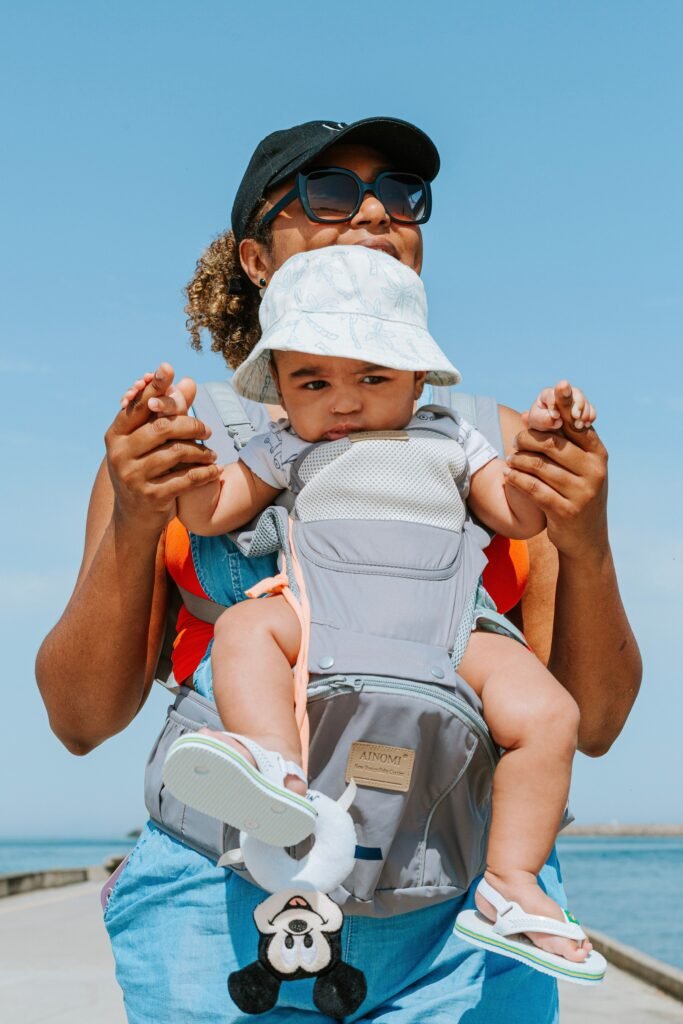
Many parents discover that the utility of their favorite carrier doesn’t end when their little one starts walking. Learning how to use a baby wrap for toddler bonding and everyday convenience allows caregivers to maintain that crucial closeness while navigating a busy lifestyle. Whether exploring a local park or managing a quick trip to the grocery store, babywearing provides a secure, ergonomic way to keep a growing child nearby.
Why Continue Babywearing?
Transitioning from infant carrying to toddler-sized wraps offers several distinct advantages:
- Emotional Regulation: Carrying an older child helps them feel secure during sensory-overloading events or periods of fatigue.
- Physical Connectivity: It serves as a gentle way to maintain a strong attachment as the child gains more independence.
- Practicality: It keeps the wearer’s hands free, making it easier to handle everyday tasks or supervise siblings. For those with multiple children, exploring twin baby carriers for toddlers can further streamline the process of hands-free parenting.
Getting Started Safely
Before starting, it is vital to understand the definition of safe positioning to ensure the child’s airway remains clear and their hips are properly supported. According to guidelines from the American Academy of Pediatrics (AAP), caregivers must always monitor the infant or toddler to ensure they are not slumped in a position that compromises breathing.
Furthermore, reputable sources like the Child Passenger Safety Association emphasize the importance of using equipment according to the manufacturer’s weight limits. Mastering how to use a baby wrap for toddler care requires a focus on:
- Safety Inspections: Regularly checking the fabric for wear and tear.
- Ergonomic Alignment: Ensuring the child’s knees are higher than their bottom, often referred to as the “M-position.”
- Correct Tension: Making sure the wrap is tight enough to prevent the child from shifting unexpectedly.
By following these established safety protocols, parents can enjoy the benefits of long-term carrying, turning once-difficult errands into opportunities for comfort and connection.
Key Takeaways
Mastering how to use a baby wrap for toddler bonding requires a shift in technique compared to carrying an infant. As children grow, their center of gravity changes, making weight distribution and fabric support paramount for comfort. Understanding the definition and meaning of ergonomic positioning—where the child’s knees are higher than their bottom—is essential for safe, long-term wear.
For parents navigating these transitions, here are the critical insights regarding toddler-aged babywearing:
- Prioritize Woven Fabric: Unlike stretchy jersey wraps, woven wraps provide the structural integrity needed for heavier children, preventing sagging during extended errands.
- Safety Standards: Always ensure the carrier complies with current ASTM International safety standards for soft infant and toddler carriers.
- The Importance of Back Carrying: Once a child reaches toddlerhood, back carries are often the most comfortable option for the parent, as they balance the weight more effectively across the torso.
- Ergonomics Matter: Refer to resources from the American Academy of Pediatrics to ensure that the carry promotes healthy hip development and proper airway management.
- Hands-Free Utility: Parents looking to expand their gear repertoire should explore options for hands-free parenting to determine which carry style fits their specific lifestyle needs.
Understanding the proper use of a wrap ensures that both caregiver and child remain secure. Remember that toddlers move more than infants; therefore, checking tension frequently and adjusting for their mobility is a non-negotiable part of the process. Whether embarking on a hike or a quick grocery trip, confidence in these techniques allows for a seamless, ergonomic experience.
Choosing the Right Wrap for Older Children
Selecting the appropriate fabric and structure is the most critical step when learning how to use a baby wrap for toddler weight ranges. As children grow, their center of gravity shifts, and their increased weight requires more support than a standard newborn carrier. Parents must understand the definition and meaning of fabric support to ensure both safety and comfort during long outings. For those looking to explore more heavy-duty options, check out these best carrier options for toddler hands-free parenting.
Stretchy vs. Woven Wraps
Not all fabrics are created equal when it comes to supporting a toddler’s weight. Choosing the wrong material can lead to sagging and back strain for the parent.
- Stretchy Wraps: Generally designed for newborns and infants up to approximately 15–20 pounds. The elasticity that makes them comfortable for tiny babies often fails to provide the necessary structure for an active, wiggling toddler.
- Woven Wraps: These are the gold standard for older children. Made from non-elastic fabrics like cotton, linen, or hemp blends, they provide a “seat-to-knee” support that doesn’t stretch or sag over time.
- Key Advantage: A woven wrap provides horizontal support that holds a toddler securely in an ergonomic “M” position, which is essential for healthy hip development as noted by the International Hip Dysplasia Institute.
Weight Limits and Safety Standards
Before attempting a carry, parents should always verify the manufacturer’s specifications. According to Consumer Product Safety Commission guidelines, caregivers should treat the weight limit as a hard boundary rather than a suggestion.
- Check the Tag: Ensure the wrap is rated for at least 35–45 pounds if the child is nearing the toddler stage.
- Inspect for Wear: Regularly check for fraying, tears, or loose stitching. A wrap is only as safe as its structural integrity.
- Understand the Use: When learning how to use a baby wrap for toddler daily activities, remember that the fabric must be tightened sufficiently to prevent the child from shifting unexpectedly, which is the proper use of the material to maintain a high center of gravity.
- Ergonomic Alignment: Always ensure the child’s airway remains clear and their chin is not pressed against their chest, regardless of the wrap’s weight rating.

Preparing Your Wrap for a Toddler Carry
Learning how to use a baby wrap for toddler carrying requires a shift in technique compared to the newborn stage. Because toddlers are heavier and more active, the preparation phase is critical to ensure both comfort and safety. Before attempting a carry, one must ensure the fabric is taut, centered, and ready to support the shifting weight of an older child. Proper preparation serves as the foundation for a secure, hands-free parenting experience, and those interested in exploring different support systems may find value in these top-rated carrier options for active families.
Ensuring Proper Tension
When preparing the wrap, the most common mistake is failing to achieve adequate tension. A saggy wrap will cause the toddler to pull away from the wearer’s body, leading to back strain and instability.
- Pre-tightening: Always tighten the fabric strand-by-strand. Do not rely on a single tug; focus on moving the slack toward the knot.
- The “Bounce” Test: Once wrapped, the toddler should feel like a natural extension of the wearer’s body. If there is more than an inch of space between the child and the parent, the wrap is too loose.
- Strategic Adjustment: According to guidelines from the American Academy of Pediatrics (AAP), maintaining a snug hold is essential for developmental support and postural safety.
- Definition of Proper Use: In the context of babywearing, the use of proper tension means the wrap should be tight enough to maintain the child’s position even if the wearer leans forward.
The Importance of Fabric Width
The width of the fabric plays a vital role in toddler comfort. As a child grows, the wrap must provide support from the back of one knee to the back of the other—often referred to as a “seat.”
- Spreading the Fabric: Ensure the wrap is spread fully across the toddler’s back, reaching from knee-pit to knee-pit. This promotes the ergonomic “M” position, which is vital for hip health.
- Customizing the Fit: If the fabric is bunched, the child may experience pressure points or feel insecure. Always smooth the fabric across the child’s shoulders and torso to distribute their weight evenly.
- Maintaining Safety Standards: Organizations like the Consumer Product Safety Commission (CPSC) emphasize that ensuring fabric is positioned correctly prevents accidental falls or airway obstructions.
- Linguistic Context: Understanding the meaning of use in this scenario involves recognizing that fabric width is not static; it must be adjusted dynamically as the toddler moves and grows to maintain a secure, anatomical seat.
Step-by-Step Back Carrying Techniques
Mastering the back carry is a game-changer for parents who want to keep their older children close while maintaining freedom of movement. Learning how to use a baby wrap for toddler weight distribution on the back reduces strain on the shoulders and allows for a more ergonomic experience during long walks. When practicing these techniques, it is essential to follow safety guidelines from the American Academy of Pediatrics to ensure the child remains secure and well-supported.
The Hip Scoot Method
The Hip Scoot is widely considered the safest and most efficient way to transition a toddler to the back. It minimizes the risk of the child falling during the process.
- Step 1: Drape the middle of the wrap across your chest, ensuring the fabric is spread evenly.
- Step 2: Place the toddler on your hip, positioning them so their legs are straddling your waist.
- Step 3: Holding both layers of the wrap firmly with one hand, use your other hand to gently slide the child around your back toward the center.
- Step 4: Once the child is centered on the back, pull the fabric up over their back, ensuring it reaches the nape of their neck.
- Step 5: Always verify the definition of a secure seat by pulling the excess fabric between your body and the toddler’s body to create a deep, supportive pocket.
For those considering options for hands-free parenting, this method provides the stability needed for active toddlers.
Securing the Chest Pass
Once the child is safely on the back, securing the “chest pass” (the horizontal fabric across your chest) is crucial for distributing the weight properly. This prevents the wrap from sliding off the shoulders.
- Tighten the rails: Pull each edge of the wrap (the “rails”) individually to remove any slack. If the wrap feels loose, adjust the tension across the toddler’s back.
- Create the chest pass: Take the two ends of the wrap over your shoulders and pass them across your chest. This use of fabric tension keeps the toddler pressed snugly against your back, which is vital for postural support.
- Check for airway clearance: Always ensure the child’s face is visible and not pressed into your back or the fabric, as highlighted by research on safe infant positioning.
- Final Knot: Tie a secure double knot at your chest. If the wrap is long enough, you can bring the tails around to the back before knotting for extra security.
Always remember that toddlers are more active than infants. If they lean back, simply tighten the top rail to bring their center of gravity closer to your spine. Consistent practice will help you become confident in how to use a baby wrap for toddler back carries safely.
Hip Carry Positions for Quick Errands
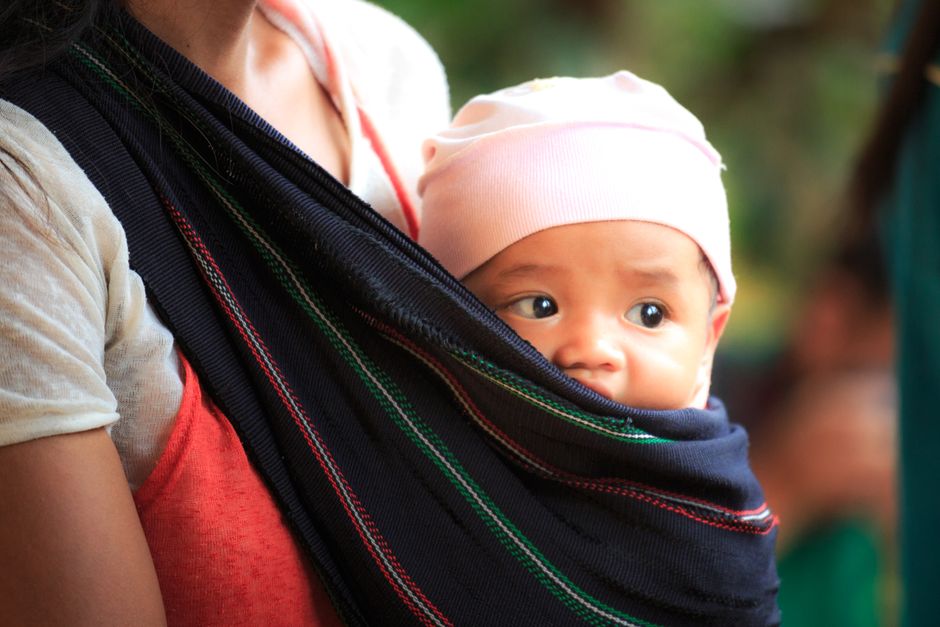
When parents want to know how to use a baby wrap for toddler quick trips to the grocery store or a brief walk around the neighborhood, the hip carry is an essential skill. This position offers a perfect balance of visibility for the child and convenience for the parent, as it allows the toddler to engage with their surroundings while keeping them secure. Mastering the use of this carry enables caregivers to stay mobile without relying on bulky strollers, making it a highly practical use case for active families. For those managing multiple children, exploring versatile carrier options can provide even more freedom.
Adjusting for Toddler Mobility
Because toddlers are naturally active and prone to shifting their weight, the hip carry must be adjusted frequently to ensure stability. Parents should follow these guidelines for a secure fit:
- High Positioning: Place the toddler high on the hip rather than low near the waist to prevent the carry from pulling on the back muscles.
- Tightening Passes: Ensure the fabric is pulled taut across the child’s back. A loose wrap can lead to slumping, which is detrimental to posture.
- Arm Freedom: Many toddlers prefer to have their arms out. If the child is stable enough, they may be placed with their arms over the top rail of the wrap, provided the fabric stays high enough to support their mid-back.
- Safety Standards: Always ensure that the carry meets Consumer Product Safety Commission (CPSC) guidelines for soft infant and toddler carriers, focusing on structural integrity.
Maintaining Ergonomic Knee Positioning
The “M-position,” or the frog-leg squat, remains the gold standard for ergonomics regardless of age. To maintain this while using the hip carry:
- Support from Knee-to-Knee: The fabric should extend from the back of one toddler knee to the back of the other. This prevents the legs from dangling, which can put unnecessary pressure on the hip joints.
- Pelvic Tilt: Encourage a deep seat by tucking the toddler’s pelvis toward the parent’s body. This naturally rounds the child’s spine and keeps their knees higher than their hips.
- Adjusting for Growth: As a child grows taller, parents should periodically review evidence-based practices for healthy hip development to ensure the carry remains supportive.
- Avoid Hyperextension: If the child pushes out their legs to stand, the parent should reach back and gently re-tuck the fabric under the knees to restore the ergonomic squat.
Safety Protocols for Older Kids
When learning how to use a baby wrap for toddler care, safety remains the absolute priority. As children grow heavier and more active, parents must be vigilant about the physical mechanics of the carry to ensure both comfort and security. Understanding the proper USE Definition & Meaning – Merriam-Webster of these materials is vital, as a wrap functions differently for a 30-pound toddler than it does for a newborn. Following strict safety guidelines helps prevent accidental falls and keeps the toddler’s spine properly supported throughout the duration of the carry.
Monitoring Airway and Position
Maintaining a clear airway is non-negotiable regardless of the child’s age. Even with toddlers who have strong neck control, the fabric of the wrap must never obstruct their breathing.
- The T.I.C.K.S. Rule: Always keep the child Tight, In view at all times, Close enough to kiss, Keep chin off the chest, and Supported at the back.
- Vertical Alignment: Ensure the toddler is positioned vertically. If the child slumps, the weight shifts downward, which can pull the fabric away from the airway or strain the parent’s back.
- Fabric Management: Regularly check that the rails of the wrap are tightened evenly. For those curious about transitioning to more robust gear, exploring the best twin baby carrier for toddler options can offer additional support for heavier children.
- Regular Assessments: According to official pediatric safety guidelines from the American Academy of Pediatrics, parents should perform “check-ins” every 15–20 minutes to ensure the toddler has not shifted into a position that compromises their airway.
Recognizing Signs of Fatigue
Toddlers often become overstimulated or physically exhausted during outings. Because they are strapped to a parent, they may fall asleep suddenly, leading to a loss of postural support.
- The “Head-Nod” Indicator: If the toddler’s head flops forward or to the side, it is an immediate signal that their core muscles are fatigued.
- Adjustment Needs: When a child falls asleep, parents must readjust the top rail of the wrap to provide extra head and neck support.
- Physical Cues: Look for signs such as heavy eyelids, rubbing eyes, or irritability. If the toddler starts “fiddling” or wiggling excessively, it often indicates they are tired of the current position and need a break.
- Ergonomic Shifts: A toddler’s body should always remain in an “M” shape, with knees higher than their bottom. If the child is too tired to maintain this seat, it is time to take them out of the wrap to stretch. For further reading on developmental support, refer to research published on the National Institutes of Health regarding healthy infant and toddler positioning.
By consistently evaluating these protocols, parents can ensure that the practice of how to use a baby wrap for toddler adventures remains a safe and enjoyable experience for everyone involved.

Troubleshooting Common Carrying Issues
Even experienced caregivers may encounter challenges when learning how to use a baby wrap for toddler setups. As children grow heavier and more active, small adjustments become necessary to ensure safety and comfort. Understanding the definition and meaning of proper ergonomics is essential for a successful carrying experience, as incorrect technique can lead to back strain or an insecure hold. If you are struggling with larger children, you might explore toddler-friendly carrier options to diversify your gear.
Fixing Saggy Wraps
A saggy wrap is the most common issue encountered by parents of older children. When fabric loses tension, the toddler sinks, which shifts the center of gravity and causes discomfort for the wearer.
- Pre-tightening: Always tighten the wrap strand-by-strand before placing the toddler inside.
- The “Bounce” Test: If the toddler bounces significantly when the parent moves, the wrap is too loose.
- Retightening on the Go: For extended wear, parents should learn to pull the fabric through the knots to eliminate slack. According to resources from the Babywearing International organization, consistent tension is key to maintaining a safe, high back carry.
- Material Choice: If the wrap continues to sag, the fabric may have too much “give.” Switching to a woven wrap with less stretch can provide the necessary support for heavier toddlers.
Managing Toddler Wiggling
Toddlers are naturally restless, which can test the security of a wrap. When a child leans back or tries to climb out, it can feel intimidating for the wearer.
- Maintain the “M” Position: Ensure the toddler’s knees are higher than their bottom. This naturally prevents them from straightening their legs and pushing themselves away from the wearer’s chest.
- Chest Pass Security: If utilizing a front carry, ensure the horizontal chest pass is pulled firmly across the child’s back. This acts as a barrier against sudden backward movements.
- Engage the Child: A distracted toddler is less likely to wiggle. Giving them a small toy or involving them in conversation can help keep them calm.
- Safety Standards: Always follow the Consumer Product Safety Commission (CPSC) guidelines for infant and toddler carriers to ensure that your specific wrap meets current safety regulations.
By mastering these techniques, caregivers can confidently refine how to use a baby wrap for toddler outings, ensuring a secure and enjoyable experience for both parent and child.
Best Practices for Extended Wear
When learning how to use a baby wrap for toddler outings that last several hours, comfort and preparation are paramount. Because the definition of use in this context implies carrying a heavier load for a prolonged duration, caregivers must prioritize ergonomic alignment to prevent strain on the back and shoulders. Utilizing a high-quality wrap ensures that the weight is distributed evenly across the torso, which is essential for maintaining physical stamina during long walks or travel. For parents managing multiple children, exploring options like twin carriers for toddlers can also provide further insights into sustained support.
Comfort Tips for the Parent
To ensure the wearer remains comfortable while managing an active child, consider these essential strategies:
- Maintain Symmetric Tension: Always ensure the fabric is tightened evenly across the back. Uneven tension can lead to pressure points and rapid muscle fatigue.
- Rotate Carrying Positions: If the child is willing, switching from a front carry to a high back carry can shift the weight to the wearer’s stronger core muscles.
- Utilize Proper Posture: Keep the core engaged and shoulders relaxed. According to guidelines from the American Academy of Pediatrics, maintaining an upright, neutral spine helps prevent the long-term strain often associated with incorrect lifting techniques.
- Stay Hydrated and Cool: Extended wear can cause both the parent and child to overheat. Dress in breathable, moisture-wicking fabrics and take frequent breaks in shaded areas.
When to Transition to a Structured Carrier
While wraps offer unparalleled closeness, there may come a time when a switch is necessary. Understanding the meaning of use in terms of equipment longevity is helpful here, as different carriers serve different stages of development.
Consider transitioning to a soft-structured carrier (SSC) when:
- Weight Limits are Approached: Check the manufacturer’s guidelines; while many wraps are robust, they may lose their “tightening efficiency” as the child nears the upper weight limit.
- Increased Frequency of Ups and Downs: If a toddler begins requesting to walk and be carried in rapid succession, the quick-adjust buckles of an SSC often provide more convenience than the re-wrapping process.
- Complex Support Requirements: For extended hiking or heavy-duty use, structured carriers often feature padded waist belts and internal frames that provide superior lumbar support, as noted in various orthopedic research studies.
- Preference for Independent Movement: If the toddler is highly active and prefers a more rigid structure that keeps them positioned away from the wearer’s body, a structured carrier can be a better fit for their growing mobility needs.
Frequently Asked Questions
Navigating the world of babywearing as your child grows can present unique challenges. Parents often search for clear guidance on how to use a baby wrap for toddler bonding to ensure safety, comfort, and longevity. Below are common inquiries answered to help caregivers master the art of carrying an older child effectively.
Is it safe to use a stretchy wrap for a toddler?
While stretchy wraps are popular for newborns, they are generally not recommended for toddlers. Because toddlers are heavier and more active, the fabric tends to sag, which can compromise the structural integrity of the carry.
- Weight Limits: Most stretchy wraps are designed for infants under 25 pounds.
- Fabric Support: Stretchy jersey fabric lacks the necessary tension to support a toddler’s weight comfortably.
- Recommendation: For heavier children, a woven wrap or a durable carrier for toddlers is far superior. Always consult safety standards from the Consumer Product Safety Commission regarding weight limits for your specific gear.
At what age should I stop using a wrap?
There is no hard-and-fast rule regarding when to stop. As long as the caregiver feels comfortable, the child is within the manufacturer’s weight limit, and the child is willing to be carried, a wrap remains a valid tool.
- Developmental Milestones: Many parents find that once a toddler reaches 3 years old, they prefer walking or require more independent movement.
- Comfort Factor: As a child grows, the physical strain on the parent increases. If a parent begins to experience back pain, it may be time to transition to a more structured support system.
How do I keep my toddler from leaning back?
Toddlers are naturally curious and often lean back to get a better view of their surroundings. This movement can shift the center of gravity and cause discomfort.
- High Back Carries: Implementing a high back carry helps the child see over the parent’s shoulder, reducing the urge to lean back.
- Chest Pass Tension: Ensure the fabric across the toddler’s back is taut. A “reinforcing pass” or a third layer of fabric can provide the stability needed to discourage leaning.
- Engagement: Talking to the child or pointing out objects in front can redirect their attention forward rather than backward. For more information on child development and safety, check out the American Academy of Pediatrics resources.
What is the best way to clean a baby wrap?
Maintaining the integrity of the fabric is crucial for safety. The use of proper cleaning techniques ensures the wrap remains safe for future use.
- Check the Label: Always follow the manufacturer’s instructions. Many woven wraps require cold, delicate cycles.
- Avoid Harsh Chemicals: Skip fabric softeners, as they can break down the fibers over time.
- Air Dry: It is best to hang-dry wraps to prevent the heat of a dryer from shrinking or damaging the natural fibers.
Conclusion: Final tips on how to use a baby wrap for toddler adventures
Mastering how to use a baby wrap for toddler carrying requires patience, practice, and a focus on ergonomic safety. As children grow, the nuances of fabric tension and positioning become vital for maintaining comfort for both the caregiver and the child. By adhering to established safety guidelines—such as those outlined by the American Academy of Pediatrics—parents can ensure their adventures remain secure and enjoyable.
Essential Reminders for Successful Carrying
To keep the experience positive, caregivers should consider these final adjustments:
- Prioritize Positioning: Always ensure the toddler’s knees are higher than their bottom, forming an “M” shape, which supports healthy hip development.
- Constant Monitoring: According to the National Safety Council, maintaining an open airway is the primary safety concern; ensure the chin is never pressed against the child’s chest.
- Check Tension Frequently: Fabric can shift during long walks. Periodically check the knots and tighten the rails to prevent sagging, which is the proper use of the carrier’s structural integrity.
- Gradual Practice: If a toddler is resistant, start with short intervals at home before attempting longer outings.
Choosing the Right Tools for Your Journey
While wraps offer a deep, secure bond, some families may find that as their children become more active, they require different support systems. For those managing multiple children, exploring versatile twin carrier options for toddlers can provide the additional stability needed for hands-free parenting.
Final Safety Checklist
Before heading out, perform a quick “T.I.C.K.S.” assessment—a widely recognized standard for babywearing:
- Tight: The wrap should be secure enough to hold the child against the caregiver without slack.
- In view at all times: The caregiver should be able to see the child’s face by glancing down.
- Close enough to kiss: The child’s head should be positioned near the caregiver’s upper chest.
- Keep chin off the chest: Ensure there is always a space of at least one finger width under the child’s chin.
- Supported back: The fabric should follow the natural curve of the child’s spine, preventing slumping.
By consistently applying these principles, parents can confidently navigate their daily routines while maintaining the physical closeness that wrap-carrying provides. Remember that every child is unique; if a specific technique does not feel stable, it is often a matter of adjusting the fabric’s definition of support through tighter wrapping or a different carry style. Enjoy the journey and the extra snuggles that come with this stage of development.
