
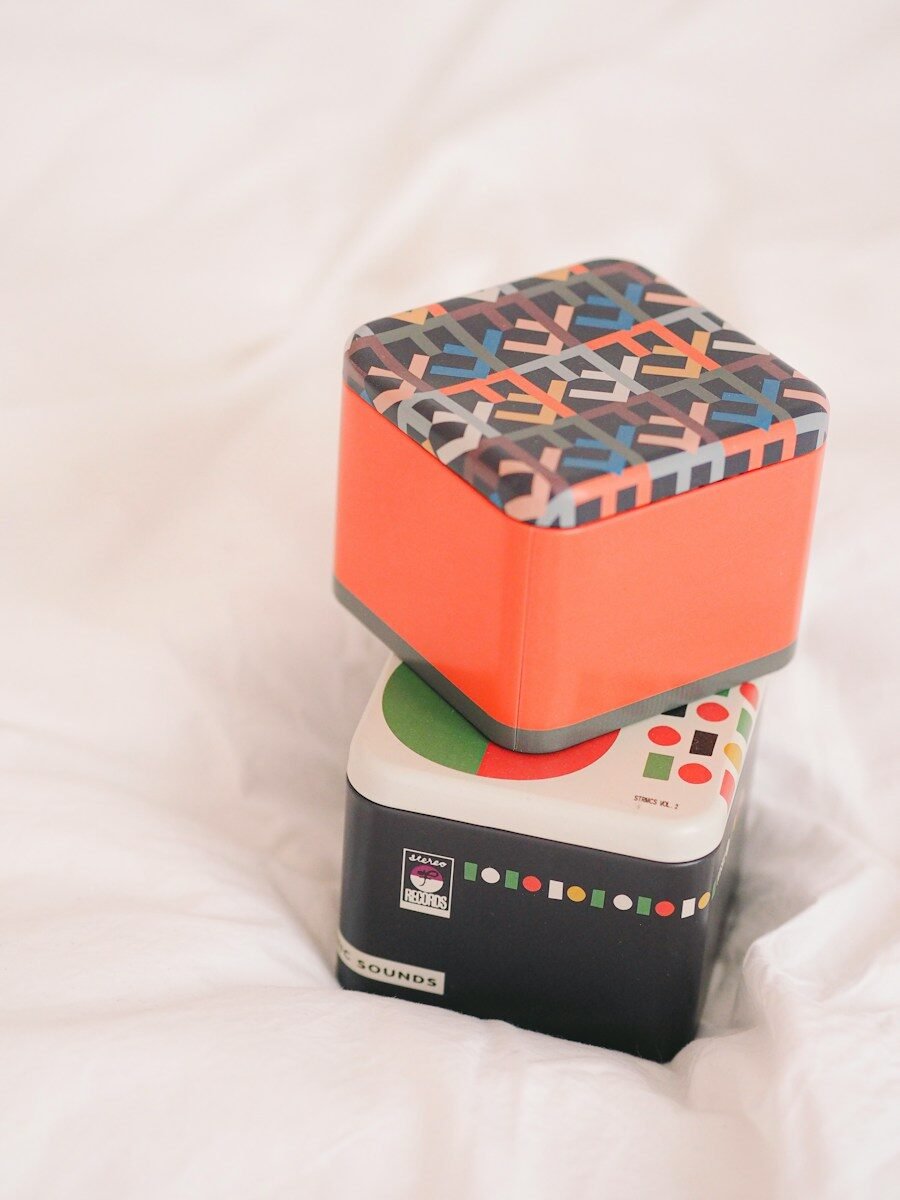
For many exhausted parents across the United States, white noise machines have become an essential tool in the nursery. However, as pediatric research evolves, many caregivers often find themselves asking, “do sound machines hurt babies hearing?” The concern is valid; infants have highly sensitive auditory systems, and improper use of amplified sound can potentially lead to hearing loss in infants if not managed correctly.
According to studies published by the American Academy of Pediatrics (AAP), environmental noise levels in hospital nurseries and homes can reach decibel thresholds that may be harmful to delicate, developing ears. When used at high volumes or placed too close to a sleeping infant, these devices can cause auditory strain.
Why Parents Use Sound Machines
- Masking Ambient Noise: They help drown out disruptive household sounds like loud neighbors, street traffic, or noisy siblings.
- Womb Simulation: Continuous static or “brown noise” mimics the soothing sounds infants heard in the womb.
- Sleep Association: A consistent sound profile signals that it is time for rest, often helping babies transition between sleep cycles.
Balancing Safety and Comfort
If you are looking for a reliable device to aid your little one’s rest, checking out the best portable sound machine options for restful sleep anywhere is a great place to start. However, it is vital to remember that the technology is only as safe as its settings. Research available through PubMed suggests that keeping devices at a low volume and at a sufficient distance is the gold standard for protecting infant development.
Key considerations for safe usage include:
- Distance: Always place the machine at least seven feet away from the crib.
- Volume: Keep the decibel level at or below 50 dB to avoid auditory overstimulation.
- Duration: Consider the cumulative amount of time the baby is exposed to artificial sound throughout the day and night.
By following these evidence-based guidelines, parents can utilize sound therapy effectively without compromising their child’s long-term hearing health. Understanding the risks is the first step in creating a safe, soothing environment for every baby.
Key Takeaways
Parents often ask, do sound machines hurt babies hearing when establishing a nightly routine. While white noise is a popular tool for soothing infants, understanding how to use it safely is essential for long-term auditory health. The consensus among pediatric experts is that sound machines are safe if used at appropriate volumes and distances.
Here are the essential points to keep in mind regarding infant sleep safety and auditory development:
- Safety Thresholds: To ensure that sound devices do not negatively impact a child, parents should keep noise levels below 50 decibels. According to the American Academy of Pediatrics, environments exceeding this level may disrupt healthy sleep architecture.
- The Seven-Foot Rule: Placement is just as critical as volume. Sound machines should be positioned at least seven feet away from the crib to prevent the intensity of the sound from reaching potentially harmful levels.
- Avoid Crib Mounting: It is strongly recommended to avoid attaching speakers directly to the crib frame or mattress. If you are looking for equipment that balances portability with safety, explore these best portable sound machine options designed for mindful parenting.
- Monitor Intensity: Utilize a free decibel meter app on a smartphone to test the sound level at the baby’s ear height. This is a practical way to ensure the nursery environment remains within a safe range.
- Understand Auditory Risk: While researchers have explored the link between environmental noise and development, as highlighted in studies on PubMed, the primary risk comes from prolonged exposure to high-decibel, high-frequency output rather than standard white noise machines used correctly.
By maintaining a distance of at least seven feet and keeping the volume low, parents can effectively use white noise to mask household disruptions without causing any developmental harm. Always remain observant of signs of overstimulation, and consult a pediatrician if there are concerns regarding a child’s specific sleep needs or hearing sensitivity.
Understanding Decibel Levels and Infant Ears
Parents often wonder if the constant hum of a nursery device is safe for their little one, and the question of whether do sound machines hurt babies hearing is a primary concern for pediatricians and audiologists alike. Because an infant’s auditory system is still rapidly maturing, excessive noise exposure can pose risks to their developing sensory processing. Understanding the relationship between decibel levels and ear health is essential for creating a supportive, non-damaging sleep environment.
How hearing develops in the first year
During the first 12 months, a baby’s ears and brain are undergoing critical development. They transition from reacting to startle reflexes to actively localizing sounds and distinguishing between familiar voices.
- Sensitivity: Infants possess a higher degree of auditory sensitivity than adults, meaning they process sounds differently and can be more susceptible to noise-induced hearing loss if exposed to sustained, high-intensity volumes.
- Neural pathways: The neural pathways that transmit sound from the ear to the brain are becoming more efficient. Consistent, low-level stimulation is generally well-tolerated, but auditory fatigue can occur if the ambient noise level remains too high for extended periods.
- Protective measures: According to the American Academy of Pediatrics (AAP), minimizing unnecessary noise is vital for long-term ear health and healthy sleep cycles.
Defining safe volume limits for nurseries
To ensure that parents are not inadvertently harming their child’s development, they must distinguish between soothing white noise and damaging acoustic pressure. Experts suggest that the volume of a sound machine should remain comparable to a quiet office or a soft whisper.
- The 50-decibel threshold: The consensus among medical professionals is that sound machines should not exceed 50 decibels (dB) in a nursery setting.
- Monitoring: Using a reliable decibel meter app on a smartphone can help caregivers calibrate the machine properly.
- Strategic placement: When choosing the right equipment, it is important to invest in portable sound machines for restful sleep that offer precise volume control.
By maintaining these parameters, parents can avoid the risks associated with acoustic overstimulation while still providing a comfortable “womb-like” environment for their child, as documented in research regarding environmental noise exposure.
Key Safety Rules for Nurseries:
- Keep it low: Set the device to the lowest effective volume.
- Distance is key: Place the machine across the room rather than near the crib.
- Regular calibration: Periodically check the ambient decibel levels to ensure the device has not been adjusted upward.
The Benefits of White Noise for Infant Sleep
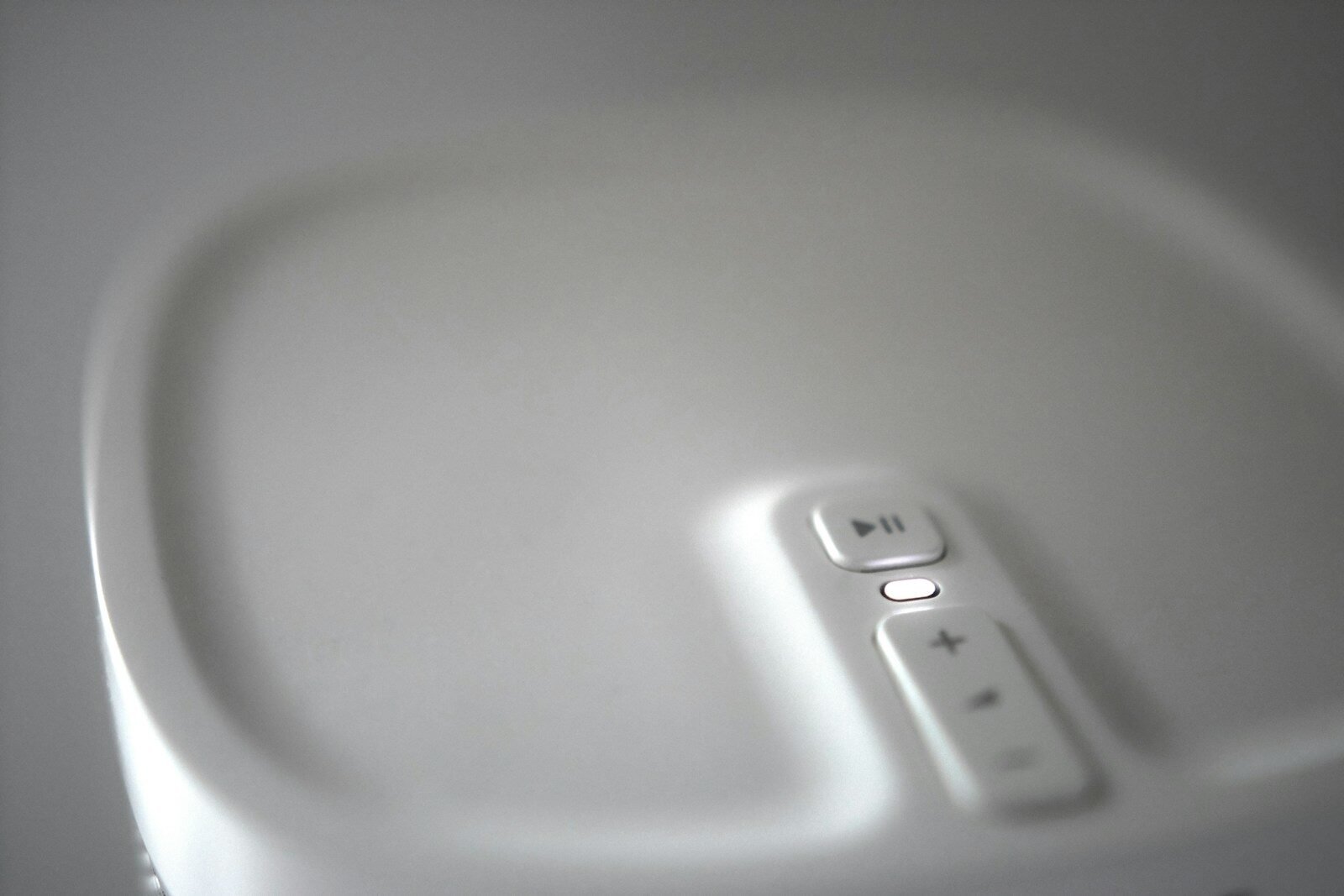
While parents often wonder, do sound machines hurt babies hearing, research suggests that when used correctly, white noise can be a highly effective tool for improving infant sleep quality. By mimicking the constant, rhythmic environment of the womb, these devices help soothe newborns and keep them in a deeper state of rest. Utilizing portable sound machine options for restful sleep allows caregivers to maintain this consistent sleep environment regardless of their location, whether traveling or visiting family.
Masking disruptive household sounds
Infants are often jolted awake by common environmental noises, such as a closing door, a barking dog, or conversations in another room. White noise serves as an acoustic blanket that smooths out these abrupt sound spikes.
- Acoustic Masking: By raising the “noise floor” of the room, the machine reduces the difference between the ambient silence and sudden, jarring sounds.
- Reduced Startle Reflex: Because the baby is less likely to hear specific, localized triggers, the chances of the infant startle reflex being activated during light sleep stages are significantly lower.
- Scientific Backing: According to studies published by The National Institutes of Health (NIH), consistent ambient sound can facilitate faster sleep onset in infants, helping them transition more smoothly into deep sleep cycles.
Establishing a consistent bedtime environment
Consistency is a cornerstone of pediatric sleep hygiene. A sound machine serves as a reliable auditory cue that signals to the baby’s brain that it is time to sleep.
- Positive Association: Over time, the sound of the machine becomes a “sleep trigger.” Once the device is turned on, the infant recognizes the routine, which can help reduce bedtime anxiety.
- Womb-Like Environment: The steady, low-frequency hum replicates the blood flow and internal sounds the baby heard while in the womb, providing a sense of security.
- Regulation of Sleep Cycles: For more information on auditory development and safety, the American Academy of Pediatrics (AAP) provides extensive resources on creating a secure nursery environment. By maintaining this consistent background noise, parents can help their infants navigate through sleep transitions without waking fully.
When implemented with appropriate volume settings, the benefits of these devices often outweigh the risks, helping families achieve much-needed rest during the challenging early months.
Proper Placement: Distance Matters
When parents ask, “do sound machines hurt babies hearing,” the answer often depends less on the device itself and more on where it is positioned within the nursery. Because an infant’s auditory system is still developing, the proximity of the sound source can significantly alter the sound pressure levels reaching their delicate inner ears. By carefully managing the distance between the sound machine and the crib, parents can safely utilize sleep aids while protecting their child’s long-term auditory health. For those looking for the right tools for this balance, check out these portable sound machine options for restful sleep.
The rule of seven feet
To ensure that white noise remains a soothing background element rather than a potential risk, pediatric experts often recommend adhering to the “rule of seven feet.” This distance is a critical buffer zone that helps maintain a safe decibel level for developing ears.
- Optimal Placement: Position the sound machine at least seven feet away from the infant’s crib or bassinet.
- Inverse Square Law: Sound intensity drops off significantly as distance increases. Moving a device just a few extra feet away can drastically reduce the acoustic pressure exerted on the baby.
- Safety Standard: Research published by the American Academy of Pediatrics suggests that minimizing high-intensity noise exposure is essential for neonatal development.
- Environmental Benefit: At this distance, the sound becomes “ambient” rather than “directional,” which is more effective at masking sudden household noises like doors closing or pets barking.
Avoiding crib-mounted sound machines
While manufacturers often market crib-mounted devices for convenience, they pose a significant risk regarding auditory overexposure. Attaching a speaker directly to the crib railing places the sound source mere inches from the infant’s head, which can easily exceed recommended safe volume limits for sustained periods.
- High Proximity Risk: The closer the sound source, the higher the intensity; crib-mounted devices often reach decibel levels that surpass those found in a standard hospital nursery, which the National Institutes of Health notes can be detrimental to sleep-deprived infants.
- The “Loudness” Trap: Because the device is so close, parents may be tempted to keep the volume low, but fluctuations in the digital track can still cause sudden, concentrated spikes in sound that are harmful at such a short range.
- Better Alternatives: Instead of mounting a device to the crib, place the machine on a dresser or a nightstand on the opposite side of the room. This ensures the noise profile is consistent and distributed evenly throughout the space, providing the benefits of white noise without the risk of concentrated sound exposure.

Types of Sound Machines: What to Look For
Choosing the right device is a primary concern for parents wondering do sound machines hurt babies hearing. While many devices are marketed as essential nursery gear, not all sound machines are created equal. Understanding the technical specifications of these products is vital to ensuring a safe, restful environment without compromising long-term auditory health. Parents looking for reliable portable sound machine options should prioritize devices that offer consistent output and precise volume control.
Continuous vs. loop-based audio
The method by which a device produces sound significantly impacts a baby’s sleep quality and their potential exposure to repetitive auditory patterns.
- Continuous Audio: These machines produce a steady, uninterrupted stream of sound. Because there is no break in the audio, the infant is less likely to be startled by silence or sudden transitions.
- Loop-based Audio: These machines record a short clip—often only a few seconds long—and repeat it indefinitely. The brain can sometimes detect the “seam” in these loops, which may disrupt a baby’s deep sleep cycles.
- The Hearing Connection: Research published by the American Academy of Pediatrics (AAP) suggests that consistent, non-jarring background noise is preferable. If a machine has a poor-quality loop, the auditory “click” or pause may cause a baby to stir, leading parents to mistakenly turn the volume up, which inadvertently increases the risk of noise-induced damage.
Selecting sounds that mimic the womb
The most effective sound machines are those that replicate the environment of the uterus, often referred to as “pink noise” or rhythmic, low-frequency sounds.
- Low-Frequency Emphasis: The womb is a place of rhythmic, bass-heavy sounds, such as the mother’s heartbeat and blood flow. A machine that emphasizes low-frequency waves is generally more soothing than high-pitched, tinny static.
- Avoidance of High-Pitched Frequencies: High-frequency sounds are more taxing on an infant’s developing auditory system. According to findings from the National Institutes of Health (NIH), prolonged exposure to high-decibel, high-frequency sound can have a detrimental effect on sensitive ear structures.
- Natural Recordings: Whenever possible, choose a device that features natural recordings rather than synthetic, artificial white noise.
By prioritizing devices that offer broad-spectrum, low-frequency soundscapes, parents can better protect their child’s delicate hearing while creating a calming sleep environment. Always verify that the device allows for volume caps to maintain safety standards throughout the night.
Setting the Right Volume
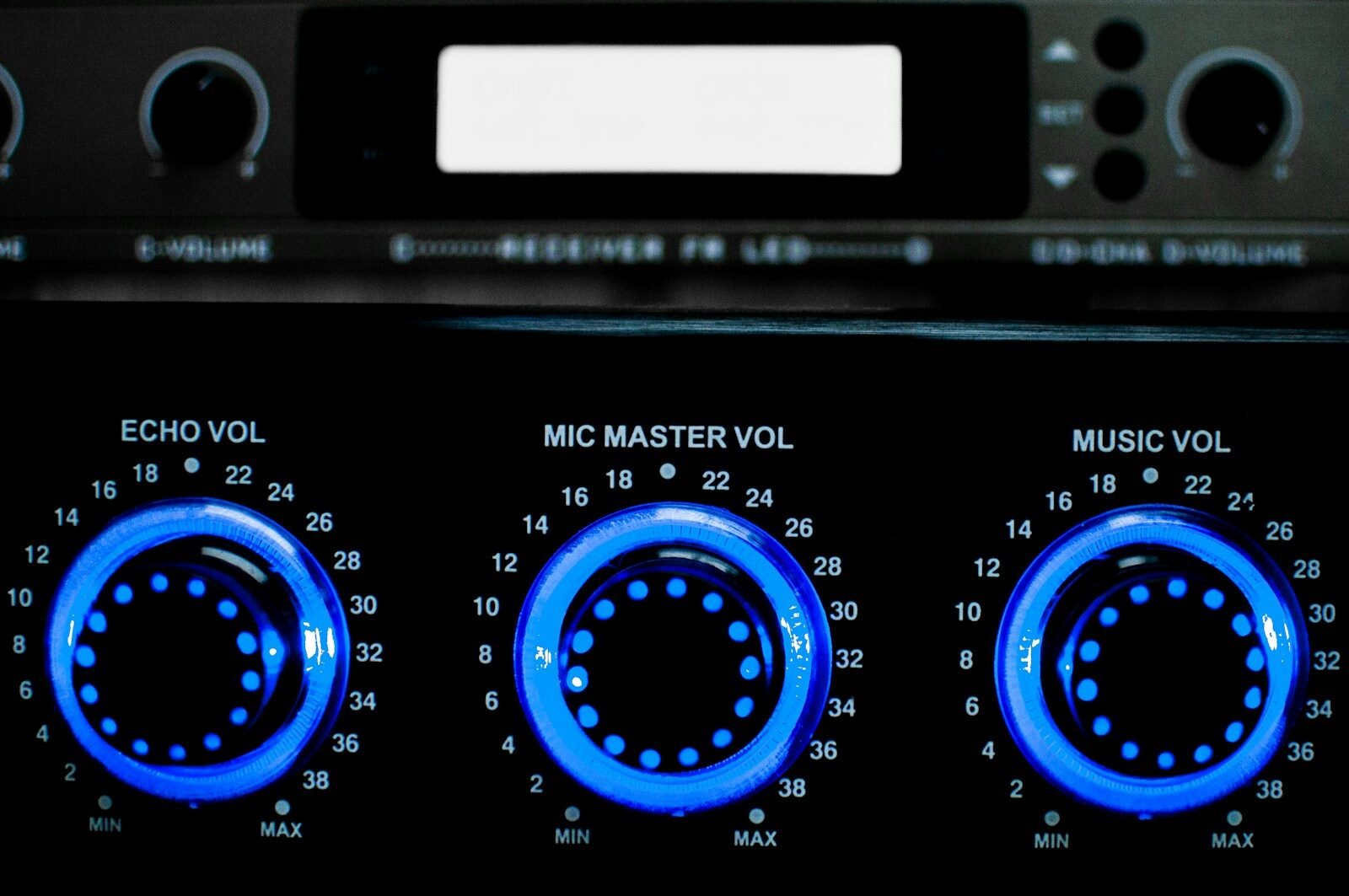
Establishing the correct volume is the most critical step in ensuring a baby’s safety while using acoustic sleep aids. Parents often worry: do sound machines hurt babies hearing? The answer depends almost entirely on how loud the device is set. When used correctly, sound machines can be a soothing tool for sleep, but improper volume levels can cause auditory overstimulation or long-term damage to delicate developing ears.
Using decibel meter apps to monitor noise
Most parents struggle to accurately estimate sound levels by ear alone. To determine if their current setup is safe, caregivers should utilize modern technology.
- Download a tool: Many reputable decibel meter apps are available on mobile devices to provide real-time readings.
- The testing method: Place your phone exactly where the baby’s head rests in the crib to get an accurate measurement of the sound intensity at the ear level.
- Consistency: Periodically check the levels, especially if the device has been moved or if household acoustics have changed.
If you are looking for devices that offer consistent output, consider exploring these portable sound machine options for restful sleep to ensure you maintain control over your nursery environment.
The 50-decibel threshold recommendation
The American Academy of Pediatrics (AAP) and other hearing health organizations emphasize the importance of limiting exposure to excessive noise.
- The Gold Standard: Experts recommend keeping white noise machines at or below 50 decibels to protect a newborn’s sensitive auditory system.
- Comparison: To put this in perspective, 50 decibels is roughly equivalent to the sound of a quiet library or a gentle rainfall.
- Safety Buffer: If the nursery is already quiet, even lower volumes are often sufficient to mask background noise without risking noise-induced hearing loss.
According to research published by the National Institutes of Health (NIH), keeping noise levels within a moderate range is essential for both sleep quality and long-term developmental health. Always prioritize the “less is more” approach when setting the volume to ensure your baby sleeps soundly and safely.
Potential Risks of Overexposure
While white noise is a popular tool for soothing infants, parents often wonder: do sound machines hurt babies hearing? The primary concern stems from prolonged exposure to high-decibel sounds that can exceed the natural tolerance of a developing auditory system. According to research published by the American Academy of Pediatrics (AAP), environments with excessive noise levels can lead to developmental challenges, making it essential to understand the potential risks of overexposure. By staying informed about best practices for infant sleep environments, parents can mitigate these risks effectively.
Signs of auditory overstimulation
When a sound machine is set too loud or placed too close to a sleeping infant, the child may experience sensory overload. It is important to monitor the baby for the following indicators of auditory overstimulation:
- Increased startle reflex: The baby wakes up frequently or jumps at sudden noises despite the background hum.
- Irritability and fussiness: An inability to settle down or stay asleep, even when the environment seems conducive to rest.
- Behavioral changes: If the baby appears unusually agitated or overwhelmed during awake times, it may be a sign that their rest periods are being disrupted by ambient noise.
- Lack of responsiveness: While rare, if a baby stops reacting to normal household sounds, it may suggest the auditory nerves are fatigued from constant high-decibel stimulation.
When to turn off the machine
To ensure safety and protect long-term ear health, parents should establish clear guidelines for machine usage. Clinical studies indexed via PubMed emphasize that the cumulative effect of constant noise is a key factor in auditory health.
- Check the volume daily: Always ensure the device is set to 50 decibels or lower. If the room feels “loud” to an adult, it is likely too loud for an infant.
- Observe sleep quality: If the baby shows signs of fragmented sleep or seems dependent on the noise to stay unconscious rather than comforted, consider gradually lowering the volume.
- Transition to natural silence: As the baby grows, try to phase out the sound machine during naps or transition to softer, natural sounds to prevent total reliance on a noise source.
- Monitor duration: Avoid running the device at high volumes for the entire duration of a 12-hour sleep cycle. If possible, use devices that feature auto-off timers once the baby has reached a deep sleep phase.
By proactively managing these factors, caregivers can ensure that their reliance on technology does not inadvertently harm the child’s sensitive hearing.
Frequently Asked Questions
Parents often worry about the developmental impact of nursery gadgets, leading many to ask: do sound machines hurt babies hearing? While these devices are designed to promote better rest, understanding the acoustic science behind them is vital for protecting an infant’s developing auditory system. By adhering to recommended safety guidelines and professional advice, parents can effectively balance sleep support with hearing protection.
Can white noise cause hearing loss in newborns?
The primary concern is whether consistent exposure to sound machines can damage delicate inner-ear structures.
- The Risk Factor: According to research published by the American Academy of Pediatrics, loud, continuous noise can be detrimental to an infant’s developing auditory nerve.
- Safety Thresholds: When used at high volumes and placed too close to the crib, they pose a risk. However, when kept at a moderate volume—comparable to the level of a quiet office or a gentle rain shower—they are generally considered safe.
- Prevention: To ensure you are not putting your infant at risk, always verify that the output does not exceed 50 decibels.
Are fan sounds safer than digital machines?
Many caregivers wonder if mechanical noise is preferable to digital audio.
- Mechanical Fans: These produce a natural, broad-spectrum sound that is often considered “softer” on the ears because the noise is less compressed than digital files.
- Digital Machines: High-quality digital devices are perfectly safe provided they offer a clean, non-distorted sound loop.
- Convenience: For parents who travel frequently, finding reliable portable sound machines is often a priority. Regardless of whether the device is a simple fan or a digital unit, the decibel level remains the most critical factor in preventing potential harm.
Should I play white noise all night long?
Whether one should keep these machines active for the entire duration of sleep is a common point of discussion.
- Consistency: Many sleep experts suggest that white noise helps mask disruptive environmental sounds (like creaky floorboards or passing traffic), which can prevent sudden wake-ups.
- Guidelines: If a machine is used all night, it is essential to follow the “seven-foot rule” to minimize the intensity of the sound waves reaching the baby.
- Research: Studies found on PubMed emphasize that as long as the machine is placed at a safe distance and the volume is kept low, continuous play does not typically lead to auditory overstimulation.
Ultimately, parents should monitor their infant’s response and consult with a pediatrician if they notice any concerns regarding their child’s sensitivity to sound.
Natural Alternatives to Sound Machines
For parents who remain concerned and frequently wonder, “do sound machines hurt babies hearing,” there are several effective, non-mechanical methods to cultivate a restful nursery environment. While many families rely on technology, incorporating natural sensory buffers can achieve the same calming effect without the need for electronic devices. By optimizing the physical space, parents can promote deeper sleep cycles and protect sensitive developing ears. Those still exploring options for portable sound machine technology may find that balancing these tools with passive environmental controls yields the best results.
Using white noise apps on tablets
Utilizing digital devices is a common alternative to dedicated hardware, though they require careful management to ensure safety. Parents often turn to mobile applications because they offer a wider range of high-fidelity, non-looping sounds that mimic the rhythmic environment of the womb.
- Distance Control: When using a tablet or smartphone, place the device at least seven feet away from the crib to minimize sound intensity.
- Volume Capping: Many modern operating systems allow users to set volume limits. According to recommendations from the American Academy of Pediatrics, creating a safe, consistent environment is essential for infant development.
- Battery Safety: Keep cords tucked away and out of reach to maintain a safe sleep space.
- Mode Settings: Use “Do Not Disturb” or “Airplane Mode” to prevent unexpected alerts or notifications from startling the infant during the night.
Incorporating blackout curtains for sleep
Beyond auditory concerns, visual stimuli can significantly disrupt an infant’s circadian rhythm. Installing blackout curtains is a highly recommended strategy to signal to the baby that it is time to sleep, regardless of the time of day or the season.
- Circadian Regulation: Total darkness helps regulate the production of melatonin, which is vital for helping infants differentiate between day and night.
- Thermal Insulation: High-quality blackout curtains also assist in maintaining a consistent room temperature, reducing the need for noisy air purifiers or fans that might contribute to ambient noise levels.
- External Sound Dampening: Thick, heavy-duty window treatments provide an additional layer of insulation against exterior noises, such as traffic or neighborhood activity.
- Evidence-Based Support: Research published via PubMed.gov indicates that optimizing the sleep environment—including light control—can improve overall sleep quality and duration in infants, potentially reducing the reliance on loud, artificial sound machines.
Creating a Holistic Sleep Environment
While many parents wonder do sound machines hurt babies hearing, the reality is that auditory safety is only one component of a successful nursery setup. A truly restful environment addresses multiple sensory needs simultaneously to promote longer, deeper sleep cycles. By combining proper sound management with optimal physical conditions, parents can ensure their infant remains comfortable and secure throughout the night. For those traveling or looking for flexible options, exploring the 7 best portable sound machine options for restful sleep anywhere can provide consistent support regardless of the location.
Room temperature and humidity control
Maintaining the ideal climate in the nursery is essential for infant safety and sleep quality. Experts, including those from the National Institutes of Health, emphasize that the nursery environment should be kept at a moderate, comfortable temperature.
- Optimal Temperature: Aim to keep the room between 68°F and 72°F (20°C–22°C).
- Prevent Overheating: Overheating is a recognized risk factor for SIDS; if a room feels hot to an adult, it is likely too hot for an infant.
- Humidity Levels: Keep indoor humidity between 30% and 50%. Utilizing a cool-mist humidifier can help during dry winter months, ensuring the baby’s nasal passages remain clear.
- Monitoring: Use a digital thermometer and hygrometer to track these levels in real-time, especially when using white noise apps to block out environmental disruptions.
Safe swaddling and bedding practices
A holistic approach to sleep requires strict adherence to safe sleep guidelines to reduce the risk of sleep-related infant deaths. The American Academy of Pediatrics (AAP) provides comprehensive recommendations that serve as the gold standard for nursery safety.
- Firm Surfaces: Infants should always sleep on a firm, flat sleep surface, such as a crib mattress covered by a fitted sheet.
- Back to Sleep: Always place infants on their backs for every sleep period to reduce the risk of SIDS.
- Clear the Crib: The sleep area must be free of loose bedding, pillows, soft toys, or crib bumpers. These items pose a suffocation hazard.
- Swaddling Techniques: Swaddling can help calm a fussy baby, but it must be done safely:
- Ensure the swaddle is snug around the chest but loose around the hips to allow for healthy leg development.
- Stop swaddling as soon as the baby shows signs of rolling over, as this indicates they are ready for a sleep sack or wearable blanket.
- Layering: Instead of using heavy blankets, use a wearable blanket or appropriate layers of clothing to keep the baby warm while maintaining an optimal sleep environment.
Monitoring Your Baby’s Sleep Progress
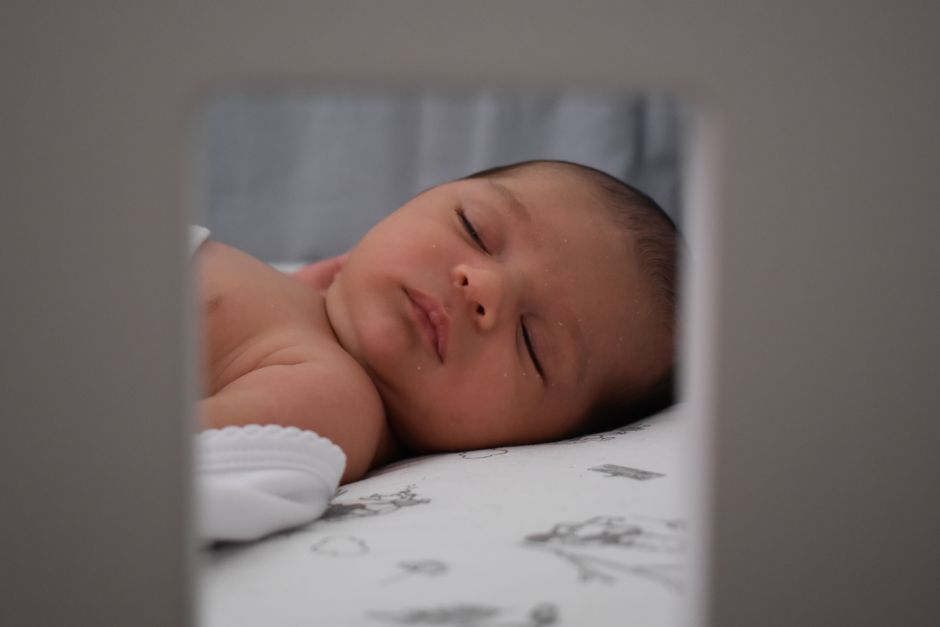
Establishing a healthy sleep routine is a dynamic process that requires consistent observation. While parents often worry if do sound machines hurt babies hearing, keeping a close eye on sleep quality and developmental milestones provides the best reassurance. By tracking how an infant responds to their environment—including the use of high-quality devices like those found in this guide to portable sound machines—caregivers can ensure that rest remains restorative and safe.
When to consult a pediatrician
If parents observe changes in how a baby reacts to sounds or exhibits interrupted sleep patterns, it is essential to seek professional guidance. According to the American Academy of Pediatrics (AAP), open communication with a healthcare provider is the best way to address concerns regarding environmental factors.
Consult a pediatrician if:
- Response delays: The infant does not startle or turn toward sudden, sharp noises in the room when the machine is off.
- Excessive fussiness: The baby seems overstimulated or agitated despite using a white noise machine at a low volume.
- Recurring sleep regression: The infant has trouble settling even after adjusting the sound environment or testing other methods.
- Developmental concerns: The baby fails to reach expected age-specific auditory milestones.
Tracking sleep patterns and quality
Monitoring how an infant rests helps determine if their sleep environment is optimized for their needs. Using a sleep log or a digital tracker can help identify patterns that might indicate the need for adjustments.
Effective tracking strategies include:
- Baseline Observations: Note how long it takes for the baby to fall asleep with and without the sound machine.
- Environment Audit: Regularly check that the sound machine is placed at least seven feet away, as recommended by clinical research on infant hearing safety.
- Consistency Checks: Ensure the volume does not exceed 50 decibels. If the infant wakes frequently, it may be due to improper volume or an inconsistent bedtime routine rather than the sound itself.
- Behavioral Notes: Document whether the infant seems relaxed or startled when the machine is activated.
By systematically reviewing these logs, parents can feel confident that they are not only protecting their baby’s developing auditory system but also fostering a peaceful, high-quality sleep environment.
Conclusion: Do sound machines hurt babies hearing?
When parents research whether do sound machines hurt babies hearing, the answer is generally reassuring: these devices are safe when used with moderation and caution. While the primary function of these machines is to promote restful sleep, the key to safety lies in volume management and distance rather than the technology itself. By adhering to recommended decibel limits, parents can effectively use these tools to create a soothing, womb-like environment without risking auditory development.
Summary of Best Practices for Safe Usage
To ensure the long-term health of an infant’s ears, caregivers should implement the following safety standards:
- Distance is Key: Always place the sound machine at least seven feet away from the crib.
- Decibel Limits: Keep the volume at or below 50 decibels, which is roughly equivalent to the sound of a quiet office, as noted by the American Academy of Pediatrics guidelines on environmental noise.
- Strategic Placement: Avoid mounting devices directly to the crib frame to minimize the intensity of vibrations and direct sound exposure.
- Regular Monitoring: Periodically use a sound meter app to ensure the environment does not exceed safe auditory levels.
Ensuring a Healthy Sleep Environment
Beyond just the sound, a high-quality rest environment involves a holistic approach. If you are looking for reliable options for travel or home, you can review these top-rated portable sound machines designed with safety and portability in mind.
Research conducted by the National Institute on Deafness and Other Communication Disorders emphasizes that prolonged exposure to high-intensity noise is the primary risk factor for infants. Therefore, balancing the need for sleep support with the necessity of protecting delicate ears is essential.
Final Takeaways
- Use, Don’t Abuse: Sound machines are highly effective for masking household noise, but they should never be cranked to maximum volume.
- Listen to the Room: If the adult finds the sound level uncomfortable or too loud, it is certainly too loud for an infant.
- Stay Informed: Keep up-to-date with pediatric recommendations to ensure your nursery setup remains a safe sanctuary for development.
Ultimately, by following these guidelines, parents can rest easy knowing they are not compromising their child’s hearing while helping them achieve a better night’s rest.
