
For new parents navigating the challenges of infant sleep, the question “is white noise good for babies” often arises during those long, restless nights. Many caregivers find that adding a consistent background sound can be the secret weapon in their nursery toolkit. When exploring the best ways to support healthy rest, it is helpful to look at resources like this expert guide on nursery sleep environments to better understand the developmental needs of infants.
Why Caregivers Turn to Sound Machines
Research suggests that a controlled sound environment can provide significant comfort for newborns. According to studies indexed on PubMed, consistent auditory environments may help infants drift off more easily by masking jarring household noises.
When considering is white noise good for babies, parents should focus on the following benefits:
- Mimicking the Womb: The fluid environment of the womb is surprisingly loud, filled with the steady whooshing of blood flow and maternal heartbeats.
- Sound Masking: It helps drown out sudden external disruptions, such as a closing door or a barking dog, which are common causes of infant sleep deprivation.
- Creating a Signal: Consistent sound acts as a sleep cue, helping the baby transition into a state of relaxation.
Understanding the Research
It is important to approach sleep training with a balanced perspective. While many parents swear by it, pediatric organizations like the American Academy of Pediatrics (AAP) emphasize the importance of safe sleep practices, including appropriate volume levels and device placement.
By understanding the science, parents can confidently decide if incorporating a sound machine is the right choice for their family. When implemented correctly, it can lead to more restful nights for the entire household, reducing the common stress associated with newborn sleep patterns.
Key Takeaways
Parents frequently ask if is white noise good for babies, and the consensus among pediatric sleep experts is that it can be a highly effective tool for improving infant sleep quality. When used safely, consistent sound environments help bridge the gap between the loud, rhythmic sounds of the womb and the quiet of a nursery.
- Soothing Mechanism: White noise provides a familiar auditory environment that helps newborns transition more smoothly to life outside the womb.
- Sound Masking: It effectively masks household interruptions, such as doorbells or talking, which prevents sudden startles.
- Safety Standards: The American Academy of Pediatrics suggests keeping sound machines at a safe distance and maintaining volume levels that do not exceed 50 decibels to protect delicate hearing.
- Sleep Routine Consistency: Utilizing consistent soundscapes during naps and nighttime helps infants associate specific auditory cues with bedtime, making it easier for them to self-soothe.
- Developmental Balance: Contrary to some concerns, when used at appropriate volumes, sound machines do not hinder auditory development in healthy infants.
For those looking to establish a healthier sleep environment, understanding how to curate a nursery for better rest is essential. Scientific studies, such as those cataloged on PubMed, continue to explore the nuances of environmental stimuli on infant brain activity. By following best practices, parents can ensure that their child receives the restorative sleep necessary for growth and development.
The Science Behind Sound and Infant Sleep
Understanding why parents frequently ask, is white noise good for babies, requires a look at the neurological and environmental factors influencing a newborn’s sleep architecture. Research suggests that sound therapy can significantly improve sleep onset and duration by creating a consistent auditory environment that supports the infant’s transition from wakefulness to deep slumber. For parents exploring how to create the ideal nursery environment, integrating sound conditioning is often the first line of defense against fragmented rest.
How White Noise Mimics the Womb
The fetal environment is surprisingly loud. Inside the womb, a fetus is constantly exposed to the rhythmic whooshing of blood flow, the mother’s heartbeat, and digestive sounds. This environment is estimated to reach volumes as high as 80 to 90 decibels.
- Auditory Familiarity: The consistent, low-frequency hum of a sound machine replicates these intrauterine sounds, which provides a sense of security for the newborn.
- Neurological Soothing: Studies published by The American Academy of Pediatrics emphasize that infants respond positively to calming auditory stimuli, which can help trigger the parasympathetic nervous system to promote relaxation.
- The Transition: By mimicking the constant “noise” of the womb, parents help bridge the sensory gap between prenatal existence and the relative silence of the outside world, effectively answering the question of is white noise good for babies through the lens of developmental comfort.
Filtering Out Disruptive Household Sounds
Even in quiet homes, unexpected noises—a creaky floorboard, a barking dog, or a closing door—can trigger an infant’s startle reflex. This reflex often results in an abrupt wake-up, leading to overtiredness and crankiness.
- Acoustic Masking: White noise works by decreasing the “delta” between the baseline silence of a room and a sudden, sharp noise. By raising the floor of ambient sound, the machine effectively creates a buffer that prevents sudden spikes in volume from fully waking the infant.
- Stable Sleep Cycles: According to data from the National Institutes of Health, maintaining a stable auditory background helps infants navigate between sleep cycles more smoothly.
- Predictability: The brain perceives the consistent hum as “safe,” allowing the baby to remain in a lighter stage of sleep even when minor disruptions occur nearby. When caregivers wonder is white noise good for babies, they should consider how this sound masking capability directly contributes to a more predictable nap schedule.
Benefits of Using Sound Machines
For many exhausted parents wondering is white noise good for babies, the implementation of a dedicated sound machine often serves as a primary tool for sleep training. By creating a consistent auditory environment, these devices help minimize sudden environmental changes that might startle a sleeping infant. Research into pediatric sleep hygiene suggests that maintaining a stable sound environment can significantly reduce the latency between putting a baby down and the onset of sleep.
Helping Babies Fall Asleep Faster
A sound machine acts as an auditory cue that it is time to transition from wakefulness to rest. When a baby hears the familiar, repetitive drone of white noise, their brain associates that sound with relaxation and safety.
- Signals the Brain: It helps the infant’s nervous system settle by providing a predictable backdrop.
- Masking Distractions: It prevents common household noises—like the doorbell, a barking dog, or floorboard creaks—from triggering the “startle reflex” in newborns.
- Improved Sleep Onset: By reducing the time it takes for a baby to drift off, caregivers often find it easier to implement a consistent bedtime routine.
Regulating Sleep Cycles Throughout the Night
Infants transition between light and deep sleep stages frequently throughout the night. During these transitions, they are highly susceptible to waking up due to external stimuli.
- Masking Transitions: The continuous hum helps bridge the gap between sleep cycles, allowing the baby to drift back into a deep state of rest without fully waking.
- Environmental Consistency: Even if the ambient temperature or lighting in the room changes, the constant sound remains a familiar anchor.
- Encouraging Longer Stretches: According to data found on PubMed, consistent auditory environments are often correlated with longer, uninterrupted blocks of rest, which promotes better infant sleep quality.
By maintaining this steady soundscape, parents can effectively create a nursery environment that fosters stability, confirming that is white noise good for babies remains a common and effective recommendation among sleep experts and pediatricians alike.
Safety Guidelines for Sound Exposure
When parents ask, “is white noise good for babies,” the answer largely depends on how the equipment is used. While sound machines can be effective tools for infant sleep, improper usage can potentially lead to hearing damage or developmental concerns. Adhering to strict safety protocols ensures that you create a soothing environment without compromising the delicate auditory health of an infant. For additional tips on curating the perfect nursery environment, you can explore these best practices for infant sleep safety.
Recommended Decibel Limits
The most critical safety measure involves monitoring the volume of the sound machine. According to the American Academy of Pediatrics, excessive noise exposure in neonatal environments can be harmful.
- The 50-Decibel Rule: Experts generally recommend keeping the volume at or below 50 decibels (roughly equivalent to a quiet conversation or a soft hum).
- Avoid Maximum Settings: Never run a sound machine at its highest volume, as this can easily exceed 70–80 decibels.
- Measurement Tools: Parents should use a reliable decibel meter app on their smartphone to check the volume level at the baby’s ears, rather than relying on how loud it sounds from across the room.
- Consistent Noise: The goal is not to mask all ambient noise, but rather to create a consistent sound floor that dampens sudden “startle” noises.
Proper Placement and Distance from the Crib
Where you place the sound machine is just as important as the volume setting. Incorrect positioning can increase the risk of over-exposure to sound waves.
- Maintain Distance: The sound machine should be placed at least 7 feet (2 meters) away from the crib or bassinet.
- Avoid Proximity: Never place a sound machine directly against the crib railing or on the mattress near the baby’s head.
- Direct the Sound Away: Aim the speaker toward the wall or the door rather than directly toward the crib to ensure the sound reflects and dissipates before reaching the infant.
- Height Matters: If using a device with a cord, ensure it is mounted or placed in a way that keeps the cord well out of the baby’s reach, following Consumer Product Safety Commission guidelines for nursery safety.
By following these strict guidelines, caregivers can confidently integrate sound therapy into their routine, ensuring it remains a safe and effective way to help a baby fall asleep.

Different Types of Soundscapes
When exploring whether is white noise good for babies, parents often find that the specific “color” or frequency of the sound plays a significant role in sleep quality. Not all audio environments are created equal, and understanding the nuances between various soundscapes can help caregivers create the perfect auditory sanctuary for their little ones. By learning how these frequencies interact with an infant’s developing brain, parents can make informed decisions about setting up a soothing nursery environment.
White vs. Pink vs. Brown Noise
The “color” of noise refers to the power spectral density of the sound signal. Each type offers a different experience for a sleeping infant:
- White Noise: This contains all audible frequencies at equal intensity. It sounds like static from an untuned radio. Because it has high-frequency energy, it is exceptionally effective at masking sudden, sharp household sounds like a doorbell or a slamming door.
- Pink Noise: This has higher power at lower frequencies, creating a sound that is “flatter” and deeper than white noise. Many compare it to the steady sound of rustling leaves or a gentle, constant rain. It is often considered more soothing and less “harsh” to the human ear.
- Brown Noise: With even more energy at the lowest frequencies, brown noise produces a deep, rumbly sound, similar to a distant waterfall or a low roar. Research from the National Institutes of Health (NIH) suggests that consistent low-frequency sounds may assist in promoting deeper relaxation by stabilizing the acoustic environment.
Nature Sounds vs. Consistent Mechanical Hum
Choosing between synthetic sounds and natural recordings is a common dilemma. Both have distinct advantages depending on the infant’s preference:
- Consistent Mechanical Hum:
- Predictability: These sounds (like a fan or a dedicated white noise machine) are perfectly uniform.
- Lack of Pattern: Because they do not have rhythms or crescendos, the brain does not try to track the sound, which helps the infant remain in a deep sleep state.
- Nature Sounds:
- Auditory Interest: Recordings of ocean waves or chirping crickets can be calming, but they often contain subtle changes in volume or rhythm.
- Potential Distractions: Some experts noted in studies published via PubMed indicate that if a sound loop is too short or rhythmic, it might pique an older baby’s curiosity rather than lull them to sleep.
Pro-Tip: If you are debating is white noise good for babies, start with a consistent, low-frequency mechanical sound to establish a baseline of “neutral” silence. This minimizes the risk of the infant fixating on complex patterns found in nature recordings.
Common Myths About Sound Conditioning
Many parents often find themselves questioning whether the practice of using sound machines is actually beneficial for their little ones. With so much conflicting advice online, it is natural to wonder, is white noise good for babies, or are there hidden drawbacks to this popular sleep aid? Dispelling common myths is essential for caregivers who want to ensure their nursery environment promotes healthy sleep patterns without compromising long-term development.
Does It Create a Lifelong Dependency?
A prevailing fear among parents is that a child will never be able to fall asleep without mechanical assistance. However, evidence suggests that using a sound machine is a form of “sleep association” rather than a true psychological dependency.
- Sleep Cues: Much like a swaddle or a bedtime story, the sound serves as a signal to the brain that it is time to transition into sleep.
- Behavioral Flexibility: Most toddlers and children eventually outgrow the need for noise as their internal ability to self-soothe matures.
- Gradual Transition: If concerns about dependency persist, experts often recommend a gradual weaning process—slowly lowering the volume over several weeks until the sound is no longer necessary.
According to insights published by the American Academy of Pediatrics, creating consistent rituals is generally more impactful on long-term sleep health than the specific tools used to initiate them.
Can It Hinder Auditory Development?
Another concern is whether consistent noise exposure might negatively impact a baby’s hearing or their ability to process language. Scientific research generally refutes this, provided the volume is kept at a safe, moderate level.
- Auditory Maturation: There is no conclusive evidence that ambient white noise interferes with how a child learns to distinguish between phonemes or other linguistic cues.
- Safety Thresholds: The primary risk is not the noise itself, but rather the intensity. Research found in the National Library of Medicine highlights that maintaining a safe volume ensures that the sound acts as a backdrop rather than an overwhelming stimulus.
- Developmental Balance: By masking abrupt household noises—like the doorbell or a dog barking—sound conditioning can actually prevent a baby from being startled, allowing them to achieve deeper, more restorative sleep cycles.
Ultimately, when used responsibly, white noise is a neutral tool that helps bridge the gap between a noisy world and a restful nap. It does not replace active interaction or auditory stimulation during the child’s waking hours, which remains the primary driver of healthy development.

Establishing a Sleep Routine with Noise
Integrating sound conditioning into an infant’s nightly ritual is one of the most effective ways to signal that it is time for rest. Many parents often ask, is white noise good for babies when trying to curb sleep regression or erratic nap schedules. By creating a consistent auditory environment, caregivers help the infant associate specific sounds with the transition to slumber, which serves as a powerful cue for the circadian rhythm. For more insights on perfecting these transitions, parents can explore essential tips for infant sleep environments.
Timing the Usage for Naps and Bedtime
Consistency is the cornerstone of any successful sleep hygiene plan. To maximize the effectiveness of sound therapy, it should be treated as an essential component of the “wind-down” period.
- Pre-Sleep Activation: Turn the sound machine on approximately 10 to 15 minutes before the actual bedtime or nap time begins. This allows the room to become “saturated” with the sound, creating a secure environment.
- The Power of Association: Using the same soundscape for both naps and nighttime sleep helps the baby transition between sleep cycles more easily, as noted by pediatric sleep experts.
- Volume Consistency: Ensure the volume remains steady from the start of the routine until the infant is fully asleep, avoiding abrupt changes that might startle the child.
Gradual Weaning Techniques
While many families find that sound conditioning supports long-term rest, others may eventually decide to phase out the device. A systematic approach ensures that the child does not become overly reliant on the auditory stimulus.
- Lower the Decibels: Every few nights, decrease the volume by a small increment. This subtle shift is often imperceptible to the baby but helps them adjust to the natural ambient noise of the house.
- Shorten the Duration: Instead of running the machine for the entire night, use a timer to have it shut off after 4 to 6 hours, eventually shortening that window until the machine is no longer needed.
- Introduce Alternative Cues: As the white noise fades, replace it with other consistent sleep triggers, such as a specific lullaby or a bedtime story, to maintain the sleep-wake cycle structure.
By following these structured steps, parents can determine if is white noise good for babies in their specific household context while ensuring they maintain a healthy sleep routine that supports the child’s developmental needs.
Choosing the Right Device for Your Nursery
When parents wonder, “is white noise good for babies,” the conversation often shifts quickly to selecting the best hardware. Navigating the variety of sound machines available can be overwhelming, but prioritizing safety and consistency is key to ensuring a restful sleep environment. Choosing the right device often comes down to balancing functionality with the specific layout of the nursery, as established in our guide to nursery essentials.
Portable vs. Plug-in Options
Selecting between portable and stationary devices depends largely on the family’s lifestyle and travel habits:
- Portable Units: Ideal for families who are frequently on the go. These devices are typically battery-operated or rechargeable via USB, making them perfect for strollers, car seats, or vacations.
- Plug-in Units: Generally offer more power and advanced features. Since they stay connected to a wall outlet, they are better suited for the nursery environment where a consistent sound level is required throughout the night.
- Consideration: According to guidelines from the American Academy of Pediatrics, parents should ensure any electrical device is kept well out of the child’s reach to prevent potential hazards.
Smart Features and App Integration
Modern technology has transformed how caregivers manage sleep environments, offering features that cater to the question, “is white noise good for babies,” by providing more control and data:
- App Connectivity: Many smart devices allow parents to adjust volume levels or change soundscapes remotely from their smartphones. This avoids the risk of entering the room and accidentally waking the baby.
- Scheduling Capabilities: Smart machines often include built-in timers or automated schedules that can sync with a toddler’s wake-up time, which can assist in developing a healthy sleep routine.
- Environmental Monitoring: Advanced devices may include built-in room temperature sensors, which provide additional data to ensure the room remains at a safe, comfortable level as recommended by national health standards.
- Customizable Sound Profiles: Look for devices that allow users to adjust the tone, helping parents find the frequency that best masks disruptive household noises.
By integrating these technological tools, parents can create a highly tailored sleep environment that promotes long-term sleep hygiene.
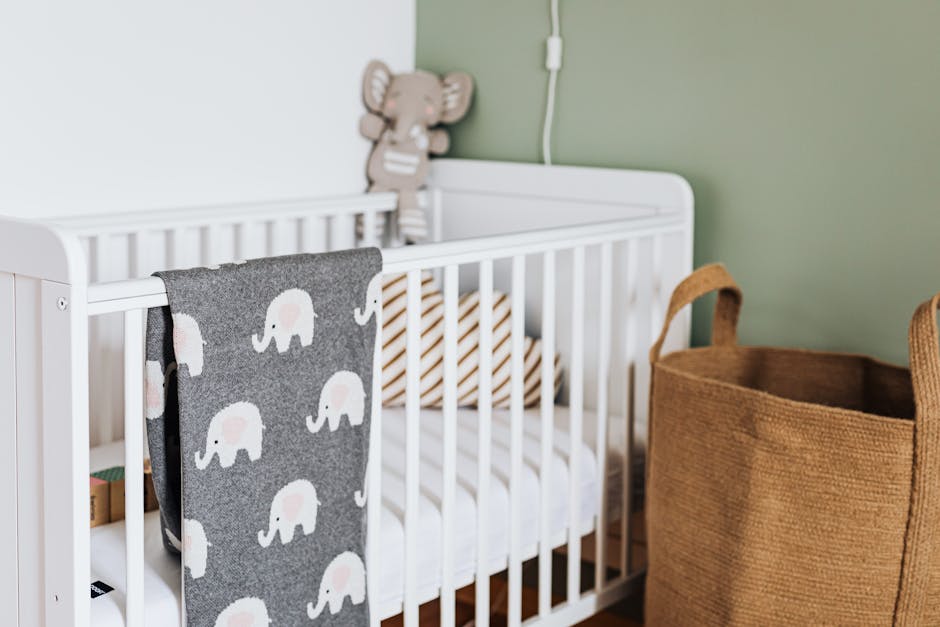
The Impact of White Noise on Parents
While parents often focus on whether is white noise good for babies, they frequently overlook the significant secondary benefits these soundscapes offer to the entire household. Introducing a consistent background sound can transform the nursery environment, directly influencing how parents experience their own rest and daily routines. When caregivers understand the broader utility of these devices, they can better manage their own sleep hygiene and recovery during the demanding newborn stage.
Improving Sleep Quality for Caregivers
It is a common misconception that sound machines are exclusively for the nursery; they play a vital role in helping adults achieve deeper, more restorative cycles. By masking the sounds of a restless infant, a creaky floorboard, or the ambient noise of a busy neighborhood, parents can experience fewer mid-night awakenings.
- Auditory Masking: By smoothing out the “peak” noises of the household, parents are less likely to be jarred awake by sudden sounds.
- Faster Sleep Onset: Much like infants, adults benefit from the consistent “blanket” of sound, which can help them drift off faster after a middle-of-the-night feeding session.
- Consistency is Key: Integrating these machines helps align the nursery’s environment with proven pediatric sleep recommendations, ensuring that both parent and child remain in a regulated state of rest.
Parents often find that utilizing a sound machine allows them to maintain a calming bedtime environment for infants while simultaneously reducing their own “parental vigilance”—the hyper-awareness that keeps them constantly alert to every movement the baby makes.
Psychological Benefits of a Quiet Home
Beyond physical sleep, the psychological impact of a “sound-conditioned” home cannot be overstated. High levels of environmental stress are documented as significant factors in parental fatigue and burnout, according to studies indexed on PubMed Central.
- Reduced Anxiety: A sound machine creates a predictable acoustic boundary. Parents report feeling less anxious knowing that the machine is successfully filtering out disruptive noises.
- Increased Privacy: White noise effectively masks conversations within the home, allowing parents to feel more relaxed and “off-duty” once the baby is settled for the night.
- Mindful Transitioning: Establishing a sound ritual helps signal to the entire household that the period of high-intensity activity has ended. This transition helps parents mentally shift from the role of a daytime caregiver to a resting individual.
By viewing the use of sound machines through this lens, families can create a more balanced ecosystem where everyone—not just the infant—benefits from a controlled and tranquil auditory environment.
Frequently Asked Questions
When parents explore whether is white noise good for babies, they often encounter a variety of questions regarding safety, long-term impact, and practical application. Navigating the nuances of infant sleep hygiene is essential for fostering healthy development. For further insights on optimizing your nursery environment, you can read more about creating a soothing sleep environment.
At what age can I stop using a sound machine?
There is no hard-and-fast rule for when to stop using a sound machine. Most experts agree that:
- Transition period: Many children naturally outgrow the need for white noise between the ages of 3 and 5 years.
- Gradual process: Parents often choose to lower the volume incrementally over several weeks once the child reaches school age.
- Personal preference: Some individuals, including adults, continue to use sound machines throughout their lives for relaxation.
Is it okay to play white noise all night?
Yes, it is generally considered safe to play white noise throughout the night, provided the volume is kept at a moderate level. According to the American Academy of Pediatrics, creating a consistent sound environment helps mask sudden noises that might cause a baby to startle awake.
- Maintain safety: Ensure the machine is not set to a high decibel level to protect the infant’s developing auditory system.
- Consistent background: Using it all night helps the baby remain in a deeper, more restorative state of sleep.
Can I use a fan instead of a white noise machine?
While a household fan can produce a soothing hum, there are specific considerations to keep in mind:
- Airflow safety: Never point a fan directly at an infant, as it can cause dryness of the skin or eyes.
- Consistency: Mechanical fans may not offer the same steady sound frequency as a dedicated sound machine, and they often fluctuate in pitch.
- Reliability: Dedicated machines are often designed specifically for the nursery, ensuring they do not present electrical or fire hazards when left running for long periods. Research on environmental noise and sleep suggests that stability in frequency is key to effective sound conditioning.
Should the sound be louder if there is loud background noise?
It is a common misconception that the machine must compete with loud household sounds.
- Safety limits: The sound should never exceed 50 decibels, which is roughly the volume of a quiet office or a gentle rain shower.
- Proximity matters: Rather than turning the volume up, move the machine closer to the source of the outside noise (such as a door or window) rather than closer to the baby’s crib.
- Goal: The objective is to dampen the impact of jarring, sudden noises, not to create a loud environment that drowns out everything in the house.
Conclusion: Why is white noise good for babies?
Deciding whether or not to incorporate sound conditioning into a nursery environment often leaves parents asking the fundamental question: is white noise good for babies? Based on the evidence regarding sensory regulation and environmental masking, the answer is a resounding yes. When used safely and consistently, it acts as a powerful tool to bridge the gap between a chaotic, noisy world and the peaceful, womb-like atmosphere that infants crave for restful sleep.
By providing a steady, rhythmic auditory backdrop, sound machines help infants navigate the transition into deep sleep cycles more effectively.
Key Benefits Summarized
To understand why this practice remains a gold standard in modern parenting, consider these primary advantages:
- Masking Disruptions: It creates an effective sound barrier against sudden, sharp noises like door slams, barking dogs, or traffic, which are common culprits for infant awakenings.
- Womb Simulation: The consistent hum mimics the soothing, muffled blood-flow sounds heard in utero, which is known to be deeply comforting to newborns according to studies indexed on PubMed.
- Routine Reinforcement: It serves as an auditory cue that signals it is time to wind down, assisting in the development of healthy circadian rhythms.
- Support for Caregivers: Parents often find that when their little ones are soundly asleep, their own sleep quality improves, reducing parental stress and exhaustion.
Best Practices for Implementation
While the benefits are clear, safety should remain the highest priority. To ensure the environment remains healthy for a developing infant, caregivers should follow these research-backed recommendations:
- Keep Volume Moderate: Maintain noise levels below 50 decibels, similar to a quiet office or light rainfall, as noted in guidelines from the American Academy of Pediatrics.
- Maintain Distance: Always place the sound machine at least seven feet away from the crib to prevent excessive decibel exposure.
- Choose Quality: Select devices that provide a consistent, non-looping sound to avoid startling the baby when the audio repeats.
- Gradual Transitions: For families looking for more information on managing these sleep transitions, explore these tips for newborn nursery success.
Ultimately, is white noise good for babies? Yes, when utilized with mindfulness and care, it is a low-risk, high-reward strategy. It doesn’t just foster a quiet nursery; it empowers babies to settle themselves, sleep longer, and reach their full potential for restful, restorative growth.
