

Understanding when to stop using moses basket is essential for every parent who wants to ensure a safe and developmentally appropriate sleep environment. This guide explains the key milestones, safety considerations, and practical steps that help caregivers transition their infant out of a Moses basket without stress.
Why timing matters
- Baby sleep safety standards recommend moving to a firm, flat surface once the child can roll or push up.
- An infant feeding transition often coincides with increased mobility, signaling that the basket may no longer be suitable.
- Continuing to use a basket past these milestones can raise the risk of suffocation or falls, as highlighted by the Centers for Disease Control and Prevention (CDC).
What this article will cover
- Clear signs that indicate it’s time to graduate from the basket.
- Safe alternatives and how to introduce them.
- Common pitfalls parents encounter during the transition.
For a quick reference on the best Moses baskets currently on the market, see the top baby Moses baskets guide.
Additional authoritative resources:
- National Health Service guidance on infant sleep environments (NHS).
- American Academy of Pediatrics recommendations for safe sleep practices (AAP).
Key Takeaways
Understanding when to stop using moses basket setups is essential for maintaining a safe sleep environment for a growing infant. As babies reach physical milestones, their needs evolve, making it necessary for parents to transition them to a more permanent crib or bassinet. By staying informed about developmental cues, caregivers can ensure a seamless and secure transition that aligns with current safe sleep guidelines.
Key points to remember regarding the transition process include:
- Weight Limits Matter: Always check the manufacturer’s weight limit recommendations. Most moses baskets are designed for infants who cannot yet roll over or push up on their hands and knees.
- Developmental Milestones: Once a baby begins to sit up, crawl, or roll independently, they have outgrown the enclosure. According to the National Institutes of Health, keeping an active baby in an undersized or shallow basket poses a significant safety risk.
- Portability vs. Stability: While a moses basket offers convenience during the newborn stage, it is not a long-term sleep solution. For those still weighing their options, reviewing top-rated baby moses baskets for 2024 can help determine if a basket is the right choice for the early weeks.
- Prioritize safe sleep environment protocols: Ensure the transition happens before the infant becomes mobile enough to tip the basket, which is a common baby sleep safety concern for new parents.
- Preparation is Key: Start the transition during nap times to help the baby adjust to a new sleeping surface before moving them permanently into a crib at night.
Understanding Moses Basket
A Moses basket is a lightweight, portable sleeping solution designed for newborns and young infants. It mimics the snug, womb‑like environment that helps babies feel secure during the first weeks of life. Parents often wonder when to stop using moses basket, and understanding its purpose, benefits, and limitations is the first step toward making an informed decision.
What Makes a Moses Basket Unique?
- Compact design – Fits on a bedside table, allowing easy nighttime access.
- Breathable materials – Typically woven straw or fabric that promotes airflow.
- Portability – Lightweight enough to move from room to room or travel with.
- Limited weight capacity – Usually supports infants up to 3.5 kg (7.7 lb), depending on the model.
Developmental Milestones That Signal a Transition
Safety Standards & Guidelines
- Follow the American Academy of Pediatrics (AAP) recommendations for safe sleep environments. The AAP advises that infants sleep on a firm, flat surface without soft bedding.
- Source: CDC – Safe Sleep for Babies
- Check weight limits listed by the manufacturer; exceeding them compromises structural integrity.
- Avoid placing pillows, blankets, or bumper pads inside the basket, as they increase the risk of Sudden Infant Death Syndrome (SIDS).
- Source: NHS – Reducing the risk of SIDS
When to Stop Using a Moses Basket
Parents should evaluate when to stop using moses basket based on a combination of age, developmental cues, and safety guidelines:
- Weight exceeds the basket’s limit – Typically around 3.5 kg.
- Baby demonstrates the ability to roll, sit, or crawl – These milestones indicate the need for a more secure sleeping environment.
- The basket no longer fits the baby’s growth – A cramped space can impede healthy hip development.
Helpful Resources
- Top 7 Baby Moses Baskets Guide – 2024 Buying Guide – An in‑depth review of the best‑rated baskets, including safety features and weight capacities.
- World Health Organization (WHO) – Infant Sleep Safety – Provides global standards for safe infant sleep environments.
- Source: WHO – Infant Sleep Safety
By recognizing the functional limits of a Moses basket and monitoring a baby’s developmental progress, caregivers can confidently determine when to stop using moses basket and transition to a safer, age‑appropriate sleeping arrangement.
Signs It’s Time to Stop Using Moses Basket
Parents often wonder when to stop using moses basket as their baby grows. Recognizing the right moment helps maintain safety, support developmental milestones, and ease the transition to a regular crib or toddler bed. Below are the most reliable indicators that the basket has outlived its purpose.
Key Indicators
- Weight exceeds the manufacturer’s limit – Most Moses baskets are rated for 8–12 lb (3.5–5.5 kg). If the baby’s weight approaches or surpasses this threshold, the basket is no longer safe.
- Height or length no longer fits – When the baby can sit up unaided or their legs extend past the basket’s edge, the confined space becomes restrictive.
- Mobility milestones are reached – Rolling, scooting, or attempting to climb out signal that the baby needs a larger, more secure sleep surface.
- Frequent waking or discomfort – If the baby starts to squirm, kick, or wake up more often, the basket may be too cramped for restful sleep.
- Development of self‑feeding – As the infant begins to sit upright and feed independently, a stable surface like a high‑chair or booster seat is more appropriate.
- Safety guidelines advise transition – Organizations such as the CDC and NHS recommend moving to a crib once the baby can push up on hands and knees or exceeds the basket’s weight limit.
- CDC – Child Development Basics
- NHS – Baby Sleep Safety
Quick Checklist (Yes/No)
Why Transition Matters
- Safety compliance – A properly sized crib meets federal safety standards, reducing the risk of suffocation or entrapment.
- Physical development – A larger sleep area encourages natural movement, supporting muscle growth and motor skills.
- Parental peace of mind – Knowing the baby sleeps in a space that matches their size eliminates constant worry.
Helpful Resources
- For a detailed comparison of top‑rated Moses baskets and guidance on when to upgrade, see the comprehensive Moses basket buying guide.
- Academic research on infant sleep environments underscores the importance of age‑appropriate bedding (Journal of Pediatrics, 2022).
By monitoring these signs, caregivers can confidently determine when to stop using moses basket, ensuring a safe and comfortable sleep transition for their growing child.
Alternative Feeding Methods for Toddlers
When a parent begins to wonder when to stop using moses basket, the next logical step is to explore safe, development‑appropriate feeding options. Below are the most effective alternatives that support a toddler’s growing independence and nutritional needs.
1. Soft‑Food Spoon Feeding
- What it is: Caregiver uses a small, soft‑tipped spoon to offer pureed or finely mashed foods.
- Why it works: Encourages hand‑eye coordination while keeping the mouth‑to‑bowl distance short, reducing choking risk.
- Key tips:
- Choose age‑appropriate textures (smooth puree → lumpier mash).
- Offer a variety of colors to stimulate appetite.
- Maintain a calm feeding environment to promote focus.
2. Pre‑Loaded Snack Cups
- What it is: Reusable silicone or BPA‑free plastic cups pre‑filled with bite‑size pieces (e.g., soft fruit cubes, steamed veggies).
- Benefits:
- Allows the child to self‑serve without spilling.
- Supports fine‑motor skill development.
- Implementation:
- Fill cups with 2–3 mm pieces.
- Rotate flavors weekly to keep interest high.
3. Hand‑Held Baby‑Friendly Utensils
- Options: Small, ergonomically‑shaped forks, spoons, and even training chopsticks.
- Advantages:
- Promotes self‑feeding confidence.
- Reduces reliance on adult‑handed feeding as the child approaches the age when the moses basket is no longer needed.
- Guidelines:
- Start with a soft‑tipped fork for soft foods.
- Supervise closely until the child demonstrates safe handling.
4. Transition to Sippy Cups & Open‑Top Cups
- Why transition early: Helps develop oral motor skills needed for drinking from a regular cup.
- Steps:
- Introduce a spill‑proof sippy cup with water or diluted juice.
- Gradually replace the sippy cup with an open‑top cup during meals.
- Model drinking behavior; toddlers often imitate adult actions.
5. Structured Meal Times with Adaptive Seating
- Seating: Use a high‑chair with a 5‑point harness or a toddler booster seat at the family table.
- Routine: Consistent meal schedules signal hunger cues and reinforce the shift away from the moses basket environment.
External Resources for Evidence‑Based Guidance
- CDC – Infant and Toddler Nutrition – Provides age‑specific feeding recommendations and safety tips.
- World Health Organization – Healthy Diet Fact Sheet – Offers global standards for nutrient‑dense foods suitable for toddlers.
Quick Reference Checklist
By integrating these alternatives, caregivers can smoothly transition toddlers from the comfort of a moses basket to a more independent feeding routine, supporting both safety and developmental milestones.

Transitioning to a Regular Cup
When a child reaches the point when to stop using moses basket, the next big milestone is moving from a bottle or sippy cup to a regular open cup. This transition supports oral‑motor development, encourages independence, and reduces the risk of prolonged bottle‑related dental issues. Below is a concise, step‑by‑step guide that parents can follow to make the switch smooth and safe.
1. Assess Readiness
- Age range: Most toddlers are ready between 12–18 months.
- Motor skills: Can hold a cup upright for a few seconds and bring it to their mouth without spilling.
- Interest: Shows curiosity about adults’ cups or tries to imitate drinking.
2. Choose the Right Cup
- Material: BPA‑free plastic or stainless steel with a spill‑proof lid.
- Design: Small handle, weighted base, and a soft spout if needed for the first few days.
- Reference: For a curated list of top‑rated options, see the best Moses basket guide for 2024.
3. Gradual Introduction
- Start with water at room temperature to avoid temperature shock.
- Model the behavior – let the child watch a caregiver sip from a regular cup.
- Practice sessions – 2–3 short attempts per day, gradually increasing duration.
4. Encourage Self‑Feeding
- Place the cup within easy reach on a low, stable surface.
- Praise any attempt, even if the cup is tipped over.
- Use positive reinforcement (e.g., clapping, a smile) to build confidence.
5. Safety Checks
- Supervise every drinking session until the child consistently drinks without spilling.
- Ensure the cup’s rim is smooth to prevent gum irritation.
- Keep the cup clean; wash after each use to avoid bacterial growth.
6. Common Pitfalls & How to Avoid Them
7. Professional Guidance
- The CDC recommends monitoring developmental milestones to ensure the child is ready for cup use: CDC Child Development Milestones.
- The American Academy of Pediatrics provides evidence‑based feeding guidelines for toddlers: AAP Infant Feeding Guidelines.
Quick Checklist for Parents
- [ ] Child can sit upright without support.
- [ ] Child can grasp a cup and bring it to the mouth.
- [ ] A suitable, spill‑resistant cup is selected.
- [ ] Daily practice sessions are scheduled.
- [ ] Safety measures (supervision, clean cup) are in place.
By following this structured approach, caregivers can confidently determine when to stop using moses basket and move their child onto a regular cup, fostering independence and healthy eating habits.
Common Mistakes When Stopping Moses Basket
Transitioning a baby out of a Moses basket can feel like a delicate balancing act. Parents often wonder when to stop using moses basket and may rush the process, leading to avoidable setbacks. Below are the most frequent errors caregivers make during this shift, along with concise guidance on how to sidestep them.
1. Ignoring Developmental Cues
- Mistake: Pulling the plug before the child shows signs of readiness (e.g., sitting unassisted, showing interest in a high chair).
- Why it hurts: Premature removal can cause frustration, reduced appetite, and safety concerns.
- Solution: Observe milestones and wait until the baby can sit upright for at least 5‑10 minutes before initiating the transition.
2. Switching Too Quickly to a Full‑Size Chair
- Mistake: Moving straight from a basket to a regular dining chair or booster seat.
- Why it hurts: The sudden change in height and support can overwhelm the infant’s balance and motor skills.
- Solution: Introduce an intermediate step such as a high‑chair with a removable tray or a toddler‑size seat that offers similar back support to the basket.
3. Skipping the Gradual Feeding Routine
- Mistake: Dropping the familiar feeding schedule and offering meals at irregular times.
- Why it hurts: Inconsistent routines disrupt hunger cues and can lead to picky eating.
- Solution: Keep meal times consistent and gradually shift the location of feeding while maintaining the same schedule.
4. Forgetting Safety Checks
- Mistake: Not re‑evaluating the new seating arrangement for hazards (e.g., loose straps, unstable legs).
- Why it hurts: A poorly secured seat can tip, posing a choking or fall risk.
- Solution: Verify that the chair meets safety standards—look for a five‑point harness, sturdy base, and non‑slip feet.
Pro tip: Review the latest safety guidelines from the U.S. Consumer Product Safety Commission for infant seating standards.
5. Over‑reliance on Adult Feeding
- Mistake: Continuing to spoon‑feed exclusively, rather than encouraging self‑feeding.
- Why it hurts: It delays the development of fine‑motor skills and independence.
- Solution: Offer soft finger foods and age‑appropriate utensils to promote autonomy.
6. Neglecting Parental Support
- Mistake: Assuming the child will adapt without reassurance or positive reinforcement.
- Why it hurts: Lack of encouragement can increase anxiety for both child and caregiver.
- Solution: Celebrate small victories (e.g., sitting upright for a minute) and maintain a calm, patient demeanor.
7. Not Consulting Trusted Resources
- Mistake: Relying solely on anecdotal advice from friends or social media.
- Why it hurts: Misinformation can lead to unsafe practices.
- Solution: Reference reputable sources such as the Centers for Disease Control and Prevention (CDC) on infant nutrition[^1] and the National Health Service (NHS) guidance on baby feeding[^2].
Quick Checklist for a Smooth Transition
- Confirm readiness – baby sits unaided, shows interest in adult meals.
- Choose an intermediate seat – high‑chair with adjustable tray.
- Maintain consistent feeding times.
- Secure the new seat – five‑point harness, stable base.
- Introduce self‑feeding tools gradually.
- Provide positive reinforcement after each successful attempt.
- Reference authoritative guidelines before making changes.
For a deeper dive into selecting the right Moses basket and understanding its lifespan, see the comprehensive buying guide on top‑rated baby Moses baskets for 2024.
[^1]: https://www.cdc.gov/nutrition/infantandtoddlernutrition/index.html
[^2]: https://www.nhs.uk/conditions/baby/feeding/
Safety Tips During the Transition
When parents decide when to stop using moses basket, ensuring a safe and smooth transition is paramount. The following guidelines help caregivers protect their child’s well‑being while encouraging independent feeding.
- Choose a Stable, Non‑Slip Surface
- Place the toddler’s new cup or bowl on a non‑slip mat or a stable counter.
- Avoid high‑chair seats that can tip over if the child leans forward.
- Use Child‑Safe Utensils
- Opt for soft‑tipped spoons and small‑mouth cups that reduce choking risk.
- Ensure all utensils are free of sharp edges and are dishwasher‑safe for easy cleaning.
- Monitor Fluid Intake
- Keep a water bottle within arm’s reach to prevent spills that could cause slips.
- Teach the child to sip slowly; sudden gulping can lead to choking.
- Maintain a Clean Feeding Area
- Wipe down surfaces after each meal to eliminate germs.
- Store food in sealed containers to avoid contamination.
- Observe Posture and Positioning
- Encourage the child to sit upright with feet flat on the floor.
- Avoid placing the child on a high stool that could lead to falls.
- Gradual Introduction of New Foods
- Start with familiar textures before adding new items.
- Watch for signs of food intolerance or allergic reactions.
- Keep a First‑Aid Kit Nearby
- Include items such as antiseptic wipes, band‑ages, and a cool pack.
- Know the location of the nearest emergency contact.
- Educate the Child About Safety Rules
- Use simple language: “No running with food,” “Keep hands to yourself.”
- Reinforce these rules consistently.
- Consult Reliable Resources
- The Centers for Disease Control and Prevention (CDC) provides guidelines on safe feeding practices: CDC Feeding Guidelines.
- The World Health Organization (WHO) offers global recommendations: WHO Infant Feeding.
- For academic insights, review research on toddler feeding transitions: Google Scholar – Moses Basket Studies.
- Leverage Expert Product Reviews
- Parents can compare safety features of different baskets before deciding to stop using one: Top 7 Baby Moses Baskets for 2024.
By following these safety measures, caregivers can confidently navigate when to stop using moses basket while ensuring their child’s feeding environment remains secure and supportive.
How to Encourage Self-Feeding
When a baby reaches the stage where when to stop using moses basket becomes a frequent question, parents often wonder how to foster independence at the table. Encouraging self‑feeding not only supports motor‑skill development but also builds confidence and a positive relationship with food. Below are evidence‑based strategies that help toddlers transition smoothly from assisted feeding to autonomous eating.
1. Set Up a Safe, Accessible Eating Environment
- Choose a stable high chair or booster seat that keeps the child upright and secure.
- Place a soft, washable mat or placemat to catch spills.
- Keep all utensils, bowls, and cups within arm’s reach to reduce frustration.
2. Offer Age‑Appropriate Utensils
3. Model the Behavior
- Demonstrate how to scoop, dip, and bring food to the mouth.
- Use simple language: “Look, I’m using a spoon to bring the banana to my mouth.”
- Children imitate adults; consistent modeling accelerates learning.
4. Start with Finger Foods
- Offer soft, bite‑size pieces such as steamed carrots, ripe avocado, or small cheese cubes.
- Allow the child to explore textures with their hands before introducing utensils.
5. Gradual Transition Steps
- Assist: Hold the spoon while the child guides it toward their mouth.
- Partial Release: Let the child hold the handle while you steady the bowl.
- Full Independence: Encourage the child to feed themselves entirely, stepping in only for safety.
6. Positive Reinforcement
- Praise specific actions: “Great job scooping the peas!”
- Use a reward chart with stickers for consistent self‑feeding attempts.
- Keep feedback neutral and encouraging, avoiding pressure.
7. Keep Meals Short and Frequent
- Aim for 5–10 minute self‑feeding sessions, 2–3 times a day.
- Short bursts maintain attention and prevent fatigue.
8. Monitor Progress and Adjust
- Observe the child’s fine‑motor skills and adjust utensil size accordingly.
- If the child consistently refuses a utensil, try a different shape or material.
9. Safety First
- Always supervise during meals to prevent choking.
- Cut foods into appropriate sizes and avoid hard, round items like whole grapes or nuts.
10. Leverage Expert Resources
- The CDC provides guidelines on infant feeding milestones and safety — see their Early Childhood Development page.
- The WHO offers comprehensive advice on infant and young child feeding practices — refer to the WHO Infant Feeding page.
For parents still deciding when to stop using moses basket, a helpful reference is the top baby Moses baskets guide, which outlines safety considerations and transition timelines.
By integrating these practical steps, caregivers can confidently support toddlers in mastering self‑feeding, paving the way for healthier eating habits and greater independence.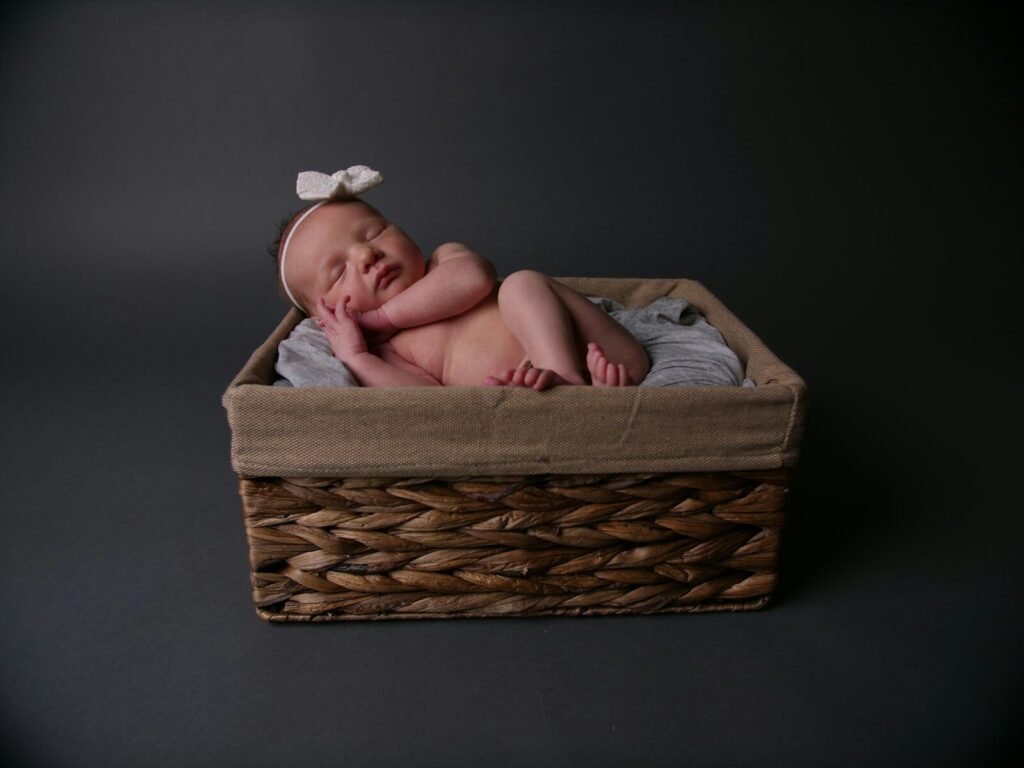
Addressing Common Parental Concerns
Parents often wonder when to stop using moses basket and worry about safety, comfort, and developmental milestones. This section tackles the most frequent questions, offering clear, evidence‑based answers so caregivers can make confident decisions.
1. Safety Concerns
- Risk of rolling out – Once a baby can roll over (usually around 4–5 months), the basket no longer provides a secure sleep environment. The American Academy of Pediatrics recommends transitioning to a firm, flat sleep surface at this stage.
- Breathing space – A tightly fitted basket can restrict airflow. The CDC notes that a clear, flat surface reduces the risk of suffocation.
Action steps
- Observe the baby’s mobility cues.
- Move the child to a crib or safe sleep area immediately after the first roll.
2. Developmental Milestones
- Self‑soothing – Babies begin to develop self‑soothing skills around 6 months. Continuing to use a basket may delay the natural progression toward independent sleep.
- Feeding independence – Transitioning from a basket to a high‑chair or floor seat encourages the shift from bottle to cup, supporting oral‑motor development.
Tip: Pair the sleep transition with the introduction of a training cup to reinforce independence.
3. Emotional Attachment
- Comfort objects – Some infants form a strong attachment to the basket’s familiar shape.
- Gradual desensitization – Place a favorite blanket or soft toy in the new sleep space to create a sense of continuity.
4. Practical Questions
5. Frequently Cited Resources
- CDC – Safe Sleep for Babies: Provides guidelines on safe sleep environments.
- National Health Service (NHS) – Infant Development: Outlines typical milestones and when to adjust sleep arrangements.
6. Helpful Internal Reference
For parents still exploring the best basket options before making the switch, see the top baby Moses baskets guide for expert reviews and safety ratings.
Bottom line: Recognizing the signs—rolling, sitting, and emerging self‑feeding skills—helps parents determine when to stop using moses basket with confidence, ensuring a safe and developmentally appropriate environment for their growing child.
Frequently Asked Questions
Navigating the early stages of parenthood involves many transitions, and understanding the appropriate timeline for your infant’s sleeping environment is essential for peace of mind. Many parents often search for guidance on when to stop using moses basket to ensure their little one remains safe as they grow and become more mobile. Below are answers to common inquiries regarding this transition period.
- At what age is it typically unsafe for a baby to stay in a Moses basket?
Most pediatricians and safety experts suggest that once a baby reaches approximately 3 to 4 months of age, or once they begin to roll over or push up on their hands and knees, they have outgrown the confines of a Moses basket. According to the American Academy of Pediatrics (AAP), creating a safe sleep environment is critical, and a basket becomes a falling hazard once the infant gains mobility.
- Is it better to move to a crib or a bassinet?
The choice depends on the family’s nursery space and preference. A crib provides a longer-term solution, as it can accommodate a child until they are ready for a toddler bed. For parents currently shopping for upgrades, checking out top-rated infant sleep solutions can provide clarity on durable alternatives.
- What are the primary indicators that I have reached the time for when to stop using moses basket?
Parents should look for these physical milestones:
- Weight Limit: The baby exceeds the manufacturer’s recommended weight capacity.
- Mobility: The infant is consistently rolling or attempting to sit up.
- Space: The baby’s head or feet are touching the sides of the basket, indicating it is no longer spacious enough.
- Can the Moses basket be used for supervised naps only?
While it may seem convenient for daytime naps, it is vital to maintain consistent sleep safety protocols. Research from the National Institutes of Health (NIH) highlights that babies should be placed on a firm, flat surface for all sleep sessions to reduce the risk of sudden infant death syndrome (SIDS).
- How do I make the transition to a crib easier?
Consistency is key. Parents often find success by replicating the familiar scent of the previous bedding or utilizing a consistent bedtime routine. Keeping the baby in the same room for the first six months, as recommended by health authorities, can also help ease the transition.
Conclusion
When parents wonder when to stop using moses basket, the decision hinges on clear developmental cues and practical feeding goals. By observing the child’s readiness for self‑feeding and cup use, caregivers can make a smooth transition that promotes independence and reduces mess.
Key points to remember
- Developmental readiness
- When to stop using moses basket is often signaled by the toddler’s ability to sit upright, grasp a spoon, and show interest in solid foods.
- A child who can hold a cup with minimal spilling is usually ready for the next step.
- Health and safety
- Switching early can prevent choking hazards associated with large, unstructured food portions in a basket.
- The American Academy of Pediatrics recommends introducing a cup by 12 months to encourage oral motor skills.
- Practical benefits
- When to stop using moses basket frees up kitchen space and reduces cleanup time.
- It also encourages the toddler to develop fine‑motor coordination and self‑regulation around food.
Helpful resources
- For evidence‑based feeding guidelines, see the CDC’s comprehensive guide on toddler nutrition: CDC – Feeding Toddlers.
- The National Institutes of Health offers in‑depth research on infant feeding practices: NIH – Infant Feeding.
- A peer‑reviewed study on cup introduction timing can be found here: PubMed Central – Cup Introduction Study.
Next steps for caregivers
- Assess readiness: Use a simple checklist (sits well, holds spoon, shows curiosity about food).
- Introduce a small, spill‑proof cup: Start with sippy cups or straw cups that are easy to handle.
- Encourage self‑feeding: Offer finger foods and let the child explore textures and tastes.
- Monitor progress: If the toddler struggles, revisit the basket for a short period before trying again.
For a curated list of the best moses baskets and guidance on when to transition, consult the expert review: Top 7 Baby Moses Baskets for 2024 – Buying Guide.
By following these evidence‑based steps, parents can confidently determine when to stop using moses basket and support their child’s journey toward independent, healthy eating.
