
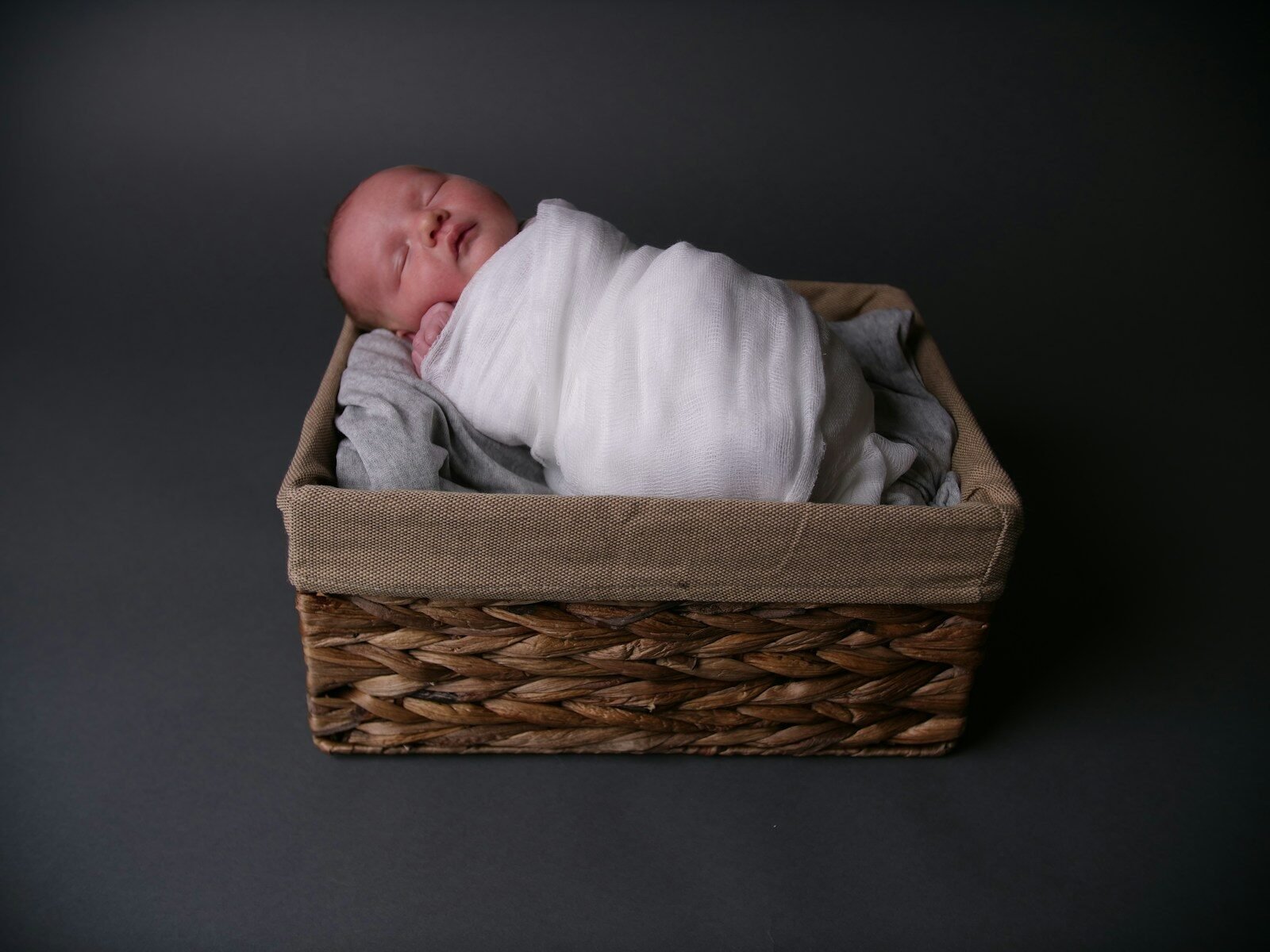
 what is a moses basket – it is a compact, woven sleeping cradle designed specifically for newborns and young infants. Crafted from natural fibers such as wicker, palm, or sustainably sourced wood, a Moses basket creates a snug, womb‑like environment that mimics the closeness of a parent’s arms. Because it sits low to the ground and can be moved from room to room, it offers parents a portable, safe sleep solution during the first few months of life.
Key characteristics
- Portable design – lightweight frame with a detachable stand or rocker.
- Secure sleeping surface – firm, breathable mattress that meets CPSC safety standards.
- Natural materials – often made from organic textiles and untreated wood, reducing exposure to chemicals.
Why parents choose a Moses basket
- Ease of movement – can be placed beside a bedside, in a nursery, or even in a living area without disturbing the baby.
- Cozy enclosure – the tight weave limits visual stimulation, helping newborns settle quickly.
- Space‑saving – ideal for small apartments or homes where a full crib is impractical.
For a curated list of the best‑rated options, see the top 7 baby moses baskets for 2024 buying guide.
Safety foundations
- CPSC guidelines: The Consumer Product Safety Commission mandates that any infant sleep product, including Moses baskets, must have a firm, flat mattress and breathable fabric to reduce the risk of suffocation. More details are available on the CPSC infant sleep safety page.
- CDC recommendations: The Centers for Disease Control and Prevention advises that babies sleep on a firm surface, on their backs, and without loose bedding. Review the CDC’s safe‑sleep guidelines here.
By adhering to these standards, a Moses basket can provide a secure, comfortable sleep space that aligns with modern safety expectations while preserving the timeless comfort of traditional craftsmanship.
What is a moses basket? In a nutshell, it is a portable, woven sleeping cradle designed specifically for newborns and young infants. Parents choose it for its lightweight convenience, snug sleeping environment, and timeless aesthetic. Below are the essential points every caregiver should remember when evaluating this classic nursery item.
- Portability & Space Efficiency
- Fits easily on a bedside stand, dresser, or rocking frame.
- Allows room‑to‑room moves without disturbing the baby’s sleep cycle.
- Safety Foundations
- Must comply with CPSC guidelines for infant sleep products (see the CPSC safety guide).
- Requires a firm, flat mattress and breathable, natural fabrics to reduce the risk of suffocation.
- Infant sleep safety is reinforced by using a well‑ventilated basket and avoiding soft bedding.
- Material Considerations
- Natural fibers such as wicker, palm, or sustainably sourced bamboo provide durability and airflow.
- Organic textiles are ideal for babies with sensitive skin, offering hypoallergenic protection.
- Stand Selection
- Stationary stands give stable, flat placement for daytime naps.
- Rocking stands add gentle motion but must be tested for wobble and weight limits.
- Usage Limits
- Typically suitable until the baby can roll over or sits up unaided (around 3–4 months).
- Not recommended for unattended overnight sleep; a crib or bassinet is safer for extended periods.
- Maintenance
- Spot‑clean woven baskets with a mild, baby‑safe cleanser; avoid submerging the frame in water.
- Regularly inspect for loose strands or cracks that could compromise structural integrity.
For a curated list of the best‑rated options, see the top 7 baby Moses baskets for 2024.
Additional authoritative guidance on newborn sleep environments can be found at the CDC’s sleep resources.
These takeaways equip caregivers with a clear, concise roadmap to decide whether a what is a moses basket solution aligns with their family’s safety standards and lifestyle needs.
The History and Origins of Moses Baskets
what is a moses basket often sparks curiosity about its deep‑rooted past. From ancient biblical references to today’s sleek nursery designs, the basket has evolved while retaining its core purpose: providing a safe, portable sleeping space for newborns. Understanding this journey helps parents appreciate the blend of tradition and modern safety that defines the modern moses basket.
Biblical roots and traditional craftsmanship
- Ancient references – Early texts describe woven containers used by shepherds to cradle infants, a practice that some scholars link to the Moses story in the Old Testament.
- Hand‑woven techniques – Artisans in the Middle East and Mediterranean crafted baskets from willow, palm, and reed, employing:
- Interlacing of natural fibers for strength
- Natural dyes for durability and aesthetic appeal
- Cultural significance – These baskets were not only functional but also symbolic, representing protection and the journey of a newborn into the world.
For a scholarly overview of early infant sleep practices, see the National Institutes of Health archive: NIH Historical Infant Care.
Evolution into modern nursery essentials
- Industrialization (19th‑20th c.) – Mass production introduced standardized sizes, metal frames, and detachable liners, making the basket more accessible to middle‑class families.
- Safety standards – The U.S. Consumer Product Safety Commission (CPSC) introduced guidelines that shaped modern designs, emphasizing:
- Firm, breathable mattresses
- Stable, non‑toxic finishes
- Design trends – Contemporary moses baskets feature:
- Organic cotton liners for hypoallergenic comfort
- Adjustable stands (stationary or rocking) for versatile placement
- Global adoption – Today, the basket is a staple in nurseries worldwide, celebrated for its portability and cozy feel.
Detailed safety criteria are outlined by the CPSC: CPSC Infant Sleep Products.
what is a moses basket thus reflects a lineage that bridges ancient craftsmanship with rigorous modern standards, offering parents a timeless yet safe sleep solution for their newborns.

Safety Standards and Best Practices
When parents ask what is a moses basket, the first concern is safety. Modern moses baskets must meet strict regulations and follow best‑practice guidelines to ensure a newborn’s sleep environment is both secure and comfortable. Below are the essential standards every caregiver should verify before placing a baby in a basket.
CPSC guidelines for infant sleep products
The U.S. Consumer Product Safety Commission (CPSC) sets the baseline for all infant sleep accessories. Key requirements include:
- Certification – The basket must carry a CPSC certification label confirming compliance with the Consumer Product Safety Act.
- Weight limit – Typically ≤ 15 lb (≈ 6.8 kg); exceeding this can compromise structural integrity.
- Ventilation – At least four open sides or a breathable weave to prevent overheating.
- No loose parts – All hardware (screws, hinges) must be secured to avoid choking hazards.
For detailed regulations, see the CPSC’s official page on infant sleep safety standards: CPSC safety standards.
Importance of firm mattresses and breathable fabrics
A safe moses basket relies heavily on the mattress and fabric choices. Research from the National Institute of Child Health and Human Development (NICHD) highlights two non‑negotiable factors:
- Firm, flat mattress – Provides a stable surface that reduces the risk of suffocation.
- Must be no thicker than 2 inches.
- Should fit snugly without gaps between the mattress and basket walls.
- Breathable, natural textiles – Materials such as organic cotton or bamboo allow air circulation and regulate temperature.
- Avoid synthetic foams that can retain heat.
- Choose hypoallergenic fabrics for babies with sensitive skin.
Additional best practices:
- Rotate the mattress weekly to maintain even wear.
- Inspect for tears or loose threads before each use.
- Follow the manufacturer’s cleaning instructions; most woven baskets can be spot‑cleaned with mild soap and air‑dried.
For a curated selection of safe options, refer to the top 7 baby moses baskets for 2024 guide, which highlights models that meet or exceed these standards.
By adhering to CPSC guidelines and prioritizing firm, breathable sleeping surfaces, caregivers can confidently answer what is a moses basket while ensuring the highest level of infant safety.
Benefits of Using a Moses Basket for Newborns
New parents often wonder what is a moses basket and why it might be a smart choice for their infant’s first sleeping space. A moses basket combines timeless design with modern safety standards, delivering a lightweight, portable nest that supports healthy newborn sleep patterns. Below are the two primary advantages that make this classic nursery item stand out.
Portability and room‑to‑room convenience
- Lightweight construction – Typically woven from wicker, palm, or breathable organic textiles, the basket can be lifted with one hand, allowing caregivers to move the baby from bedroom to living room without disturbing sleep.
- Compact footprint – Fits easily on a bedside stand, dresser, or floor mat, making it ideal for small apartments or shared sleeping arrangements.
- Travel‑ready – Many manufacturers include a detachable stand and a carry bag, so the basket can accompany families on trips, ensuring the infant sleeps in a familiar, safe environment.
- Quick setup – No assembly of large cribs; simply place a firm, fitted mattress and the basket is ready for use.
Reference: The U.S. Consumer Product Safety Commission (CPSC) recommends using portable sleep spaces that are firm and stable to reduce the risk of suffocation [CPSC Sleep Safety Guidelines].
Creating a cozy, secure environment for sleep
- Enclosed feel – The basket’s low sides mimic the womb’s snugness, helping newborns self‑soothe and stay asleep longer.
- Breathable fabrics – Natural fibers promote airflow, reducing overheating—a key factor in safe infant sleep [American Academy of Pediatrics – Safe Sleep Practices].
- Consistent sleep surface – A firm, flat mattress eliminates gaps that could pose a suffocation hazard, aligning with the what is a moses basket safety criteria.
- Easy monitoring – Because the basket sits low to the ground, parents can keep a clear line of sight while attending to other tasks.
Key takeaways:
- A moses basket offers unmatched mobility, letting caregivers keep the baby close wherever they go.
- Its design fosters a warm, secure sleep environment that aligns with modern safety recommendations.
These benefits make a moses basket a practical, comforting choice for newborns during those critical first months.
Materials: Wicker, Palm, and Organic Textiles
When parents ask what is a moses basket, the answer often leads to a discussion about the materials that make these portable cradles both safe and stylish. Modern moses baskets are crafted from natural fibers such as wicker and palm, or from organic textiles that prioritize breathability and hypo‑allergenicity. Understanding the strengths and limitations of each material helps caregivers choose a basket that will last through the newborn stage while supporting healthy sleep environments.
Comparing natural fibers for durability
- Wicker (rattan, willow, or seagrass)
- Strengths:
- Naturally strong lattice that resists bending under a newborn’s weight.
- Flexible enough to absorb minor impacts without cracking.
- Considerations:
- Susceptible to moisture damage; must be kept dry and occasionally treated with a non‑toxic sealant.
- Requires regular inspection for loose strands that could pose a choking hazard.
- Palm (sisal or coconut husk)
- Strengths:
- Extremely sturdy; fibers are tightly woven, offering excellent load‑bearing capacity.
- Naturally resistant to mold and mildew, making it ideal for humid climates.
- Considerations:
- Can feel rougher to the touch; a soft, organic textile liner is recommended for comfort.
- Organic Textiles (cotton, bamboo, linen)
- Strengths:
- Grown without synthetic pesticides, reducing chemical exposure for the infant.
- Soft, breathable surface that promotes temperature regulation.
- Considerations:
- Not structural; must be paired with a solid wicker or palm frame to meet safety standards.
Key durability tip: Choose a basket with a solid frame (wicker or palm) and pair it with a certified organic liner that can be removed and washed regularly. For further guidance on material safety, see the Consumer Product Safety Commission’s recommendations on infant sleep products (CPSC.gov).
Hypoallergenic options for sensitive skin
- 100 % organic cotton – Grown without GMO seeds or harmful chemicals; soft enough for newborn skin and easy to launder.
- Bamboo viscose – Naturally antimicrobial and moisture‑wicking, reducing the risk of skin irritation.
- Organic linen – Strong yet breathable; ideal for babies prone to overheating.
Why hypoallergenic matters:
- Reduces the likelihood of contact dermatitis and allergic reactions.
- Enhances airflow, helping maintain a safe sleep temperature as highlighted by the National Institute of Child Health and Human Development (nichd.nih.gov).
Practical checklist for parents:
- Verify that the textile is GOTS‑certified (Global Organic Textile Standard).
- Ensure the fabric is pre‑washed to remove any residual processing agents.
- Look for removable, machine‑washable covers to keep the basket clean and hygienic.
By selecting a wicker or palm frame combined with organic textiles, caregivers can create a moses basket that is both durable and gentle on delicate newborn skin, answering the essential question of what is a moses basket in the most practical, health‑focused way.
Choosing the Right Stand for Your Basket
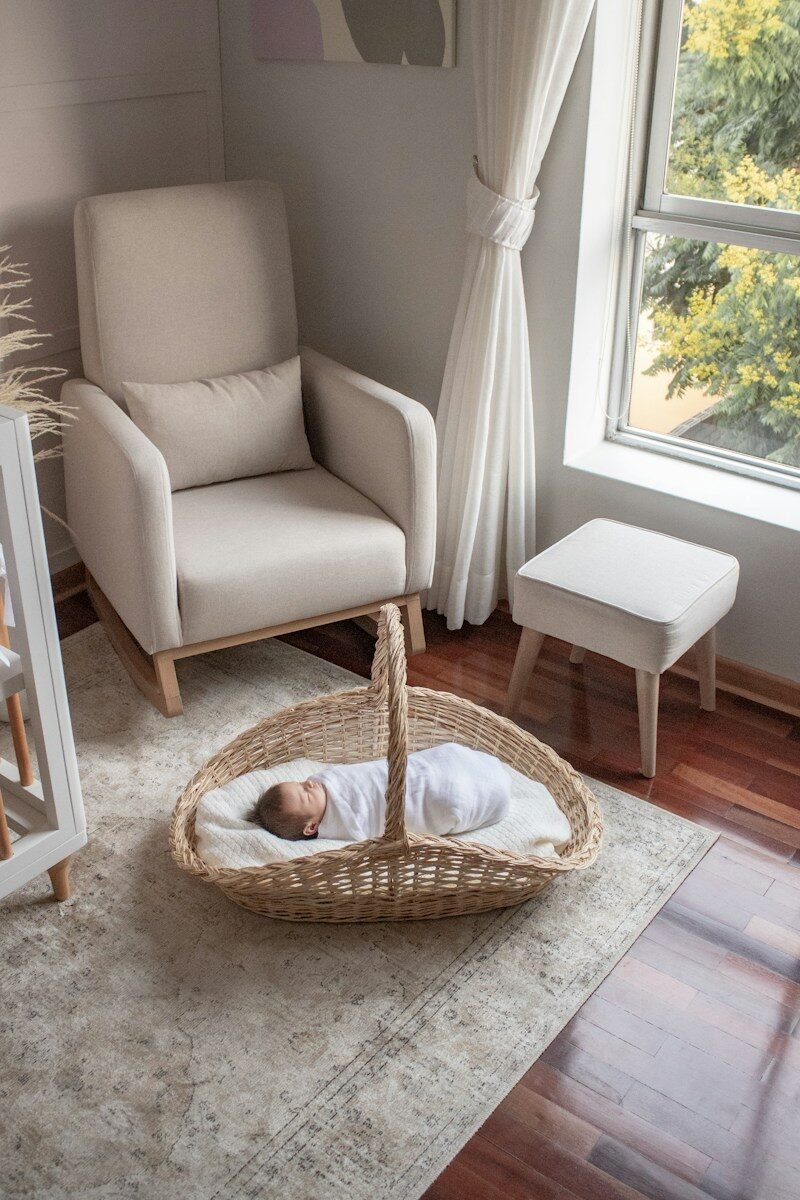
Selecting the proper stand transforms a what is a moses basket from a simple sleeping spot into a safe, versatile piece of nursery furniture. The stand determines how easily parents can move the basket, how stable it remains on different floor surfaces, and whether it can double as a gentle rocker for soothing naps. Below are the key considerations that help caregivers make an informed decision.
Stationary versus rocking stands
Key tip: Review the CPSC guidelines for infant sleep products to confirm that any rocking mechanism meets the required safety standards.
Ensuring stability and structural integrity
- Weight capacity: Verify the stand’s maximum load (typically 15–20 lb). Exceeding this limit can compromise the frame.
- Material quality:
- Solid wood or metal frames offer the highest durability.
- Avoid stands with plastic components that may crack under repeated use.
- Secure connections: Look for screwed joints rather than glued or snap‑fit assemblies; they provide stronger, long‑lasting bonds.
- Non‑slip feet: Rubber or silicone pads prevent sliding on hardwood or tile floors.
- Leveling adjustments: Some stands include adjustable feet to compensate for uneven flooring, ensuring the basket stays perfectly horizontal.
Maintenance checklist
- Inspect joints and screws monthly; tighten any loose connections.
- Clean non‑slip pads with mild soap and water to maintain grip.
- Rotate the stand’s position periodically to avoid wear patterns on the floor.
For a curated list of top‑rated stands that meet these criteria, see the expert guide on the best Moses baskets and accessories for 2024.
Additional resources
- The U.S. Consumer Product Safety Commission’s recommendations for infant sleep products:
- Centers for Disease Control and Prevention guidance on safe sleep environments:
Frequently Asked Questions
Parents often wonder about the practicalities of using a what is a moses basket in daily life. Below are the most common queries, answered with clear, research‑backed guidance to help caregivers make informed decisions.
How long can a baby sleep in a moses basket?
- Age range: Most manufacturers recommend use from birth until the baby can sit up unaided, typically 3–4 months.
- Weight limit: Usually 15 lb (6.8 kg) or as specified on the product label.
- Developmental cues: If the infant begins to roll over or push up on hands, transition to a crib is advised for safety.
Tip: Review the specific safety standards on the CPSC website for infant sleep products to ensure compliance.
Can I use a moses basket for overnight sleep?
- Short naps vs. overnight: A moses basket is ideal for short, supervised naps but not recommended for full‑night sleep.
- Safety considerations:
- Place the basket on a firm, flat surface (no soft bedding).
- Keep the sleeping area room‑temperature controlled (68‑72°F / 20‑22°C).
- Follow the CDC safe‑sleep guidelines for infants.
If overnight use is desired, transition to a crib that meets all CPSC and American Academy of Pediatrics recommendations.
Are moses baskets safe for unattended naps?
- Supervision is essential: The safest practice is to never leave a newborn unattended in a moses basket, even for brief periods.
- Risk factors:
- Potential for the basket to tip if placed on an uneven surface.
- Limited ventilation compared to a crib.
For short, supervised naps, ensure the basket is on a stable stand and the room is free of hazards.
How do you clean a woven moses basket?
- Surface cleaning
- Vacuum with a soft brush attachment to remove dust.
- Wipe the weave using a damp cloth and mild baby‑safe soap.
- Deep cleaning (if needed)
- Remove the liner and wash it according to the manufacturer’s instructions.
- Allow the basket to air‑dry completely before reuse to prevent mold.
For detailed care tips, see the top 7 baby moses baskets for 2024 buying guide on BabiesCarrier.com.
By following these best practices, caregivers can maintain a hygienic, safe, and comfortable environment for their newborn while using a what is a moses basket.
Final Thoughts: Is a moses basket right for you?
When parents ask what is a moses basket, they are really asking whether this compact sleep solution fits their family’s lifestyle, safety standards, and newborn’s needs. Below is a quick‑scan decision guide that helps anyone evaluate the fit without wading through lengthy articles.
Quick‑Check Checklist
Pros of Choosing a Moses Basket
- Portability – Easy to move from bedroom to living room, keeping the baby close.
- Cozy Enclosure – The snug shape mimics the womb, often helping newborns settle faster.
- Space‑Saving – Fits in corners or under a crib, ideal for small nurseries.
Cons to Keep in Mind
- Limited Growth Window – Outgrows the basket quickly; parents must transition to a crib.
- Supervision Required – Not recommended for unattended overnight sleep.
- Potential for Improper Assembly – An unstable stand can compromise safety.
Who Benefits Most?
- Urban Dwellers with limited nursery space.
- Travel‑Oriented Families who need a portable sleep spot.
- Parents Seeking a Traditional Aesthetic – Wicker and palm baskets add a timeless look.
Who Might Look Elsewhere?
- Families needing a long‑term sleep solution (beyond 4 months).
- Parents who prefer a full‑size crib for overnight use.
- Caregivers who cannot guarantee constant supervision.
Final Verdict
If the checklist aligns with a family’s daily routine, safety priorities, and aesthetic preferences, a moses basket can be an excellent, short‑term sleep haven. However, it should never replace a certified crib for prolonged or unattended sleep. Parents should treat the basket as a temporary, supervised sleeping area and transition to a crib once the infant shows signs of rolling or outgrows the basket’s dimensions.
Bottom line: what is a moses basket? It is a portable, womb‑like sleep space best suited for newborns in safe, supervised environments. Evaluate the factors above, and decide whether its benefits outweigh the limitations for your specific situation.
Further Reading
- CPSC Safety Guidelines for Infant Sleep Products – Official standards and recall information.
- American Academy of Pediatrics: Safe Sleep Practices – Evidence‑based recommendations for newborn sleep safety.
- National Institute of Child Health and Human Development – Infant Sleep Research – Scientific studies on infant sleep environments.
