When I first stepped into the overwhelming world of newborn gear, I felt like I was drowning in a sea of confusing options. Every brand promised the world, but as a new parent, I needed more than marketing slogans; I needed practical, hands-on guidance. That is exactly why I decided to put together these Boba Wrap Reviews. After testing this wrap through sleepless nights, grocery store runs, and endless hours of “fourth trimester” soothing, I realized that many parents are missing out on the nuance of why this specific carrier holds such a high status in the parenting community. I wanted to create a resource that goes beyond the manual to address the real-life mechanics of using a fabric carrier effectively.
In my journey to find the best baby carrier for my own family, I found that many online guides lacked the granular detail needed for a beginner to feel confident. Whether you are searching for newborn baby carrier options to help with postpartum recovery or a reliable way to keep your infant close while you work, these Boba Wrap Reviews aim to provide the unfiltered truth. I’ve lived in this wrap, washed it, stretched it, and pushed it to its limits, and I am here to share exactly what you can expect when you bring one home.
The Philosophy of Close Contact Parenting
At the heart of my decision to use and write about the Boba Wrap is the concept of “Close Contact Parenting.” I quickly learned that holding my baby wasn’t just about comfort; it was a biological necessity for both of us. Scientific literature, such as research published by the National Institutes of Health (NIH), highlights how skin-to-skin contact during the neonatal period can significantly improve physiological stability in infants. By using this wrap, I found a way to maintain that vital proximity while still reclaiming my ability to function as an individual.
- Regulating the Nervous System: Through my experience, I’ve observed that the constant rhythmic motion of my walking while using the wrap helps soothe my infant’s nervous system. The fabric acts as a gentle swaddle, reducing the “startle reflex” that often wakes babies during the day.
- The Empowerment of Mobility: Being able to keep my baby in a secure, ergonomic hold allowed me to move around the house or run errands with my hands completely free. This level of freedom is often the difference between a productive day and a feeling of total stagnation, which is why Boba Wrap Reviews are so heavily sought after by active parents.
- Safety Standards: I take babywearing safety very seriously, which is why I only recommend products that align with the T.I.C.K.S. babywearing rules. These guidelines—which stand for Tight, In view at all times, Close enough to kiss, Keep chin off the chest, and Supported back—are non-negotiable for me, and the Boba Wrap is designed specifically to facilitate this level of safe positioning.
Why Fabric Wraps Are Trending in the US
The shift toward softer, fabric-based carriers in the United States has been massive over the last few years, and I believe it is due to a move toward more intuitive, user-friendly gear. Unlike bulky, buckled carriers that often feel like heavy hardware, the Boba Wrap feels like a natural extension of my own body. When I read through various Boba Wrap Reviews, I noticed that parents often cite the “womb-like” comfort as the primary driver for their purchase.
According to guidelines from the International Hip Dysplasia Institute (IHDI), maintaining the proper “M-position” for a baby’s legs is crucial for healthy development, and fabric wraps excel at achieving this naturally. Here is why I believe the trend is here to stay:
- Versatility and Fit: The one-size-fits-all nature of the wrap is incredibly practical, especially when you need to switch the carrier between different caregivers. Because there are no complicated buckles or straps to adjust every time I hand the baby to my partner, we can get back to our day without any friction.
- Sustainability and Fabric Quality: The move toward high-quality, breathable textiles is a major factor in modern Boba Wrap Reviews. I’ve personally tested the 95% cotton and 5% spandex blend, and it holds up remarkably well against the wear and tear of daily use, which is a significant departure from synthetic, non-breathable materials.
- Psychological Benefits for Caregivers: Beyond the baby’s comfort, I found that keeping my child close through the “fourth trimester” drastically reduced my own anxiety. Having the ability to look down and see my baby sleeping peacefully while I fold laundry or grab a coffee is an unmatched benefit of using this specific, well-designed fabric wrap.
As I continue to dive deeper into these Boba Wrap Reviews, my goal is to remain as transparent as possible. I want to highlight not just the ease of the wrapping technique, but also the inevitable learning curve that comes with mastering the tension of the fabric. My testing has shown that once you get the hang of it, there really is no substitute for the snug, secure feeling that the Boba provides.
In-depth Technical Specifications
When I began researching the best gear for my newborn, I found that many Boba Wrap Reviews were surprisingly vague regarding the actual engineering behind the fabric. Having personally used the Boba Baby Wrap Carrier for months, I’ve moved past the initial excitement and dug deep into the technical design that makes this specific model a staple for many caregivers. My goal here is to explain the physical properties and structural mechanics that set this carrier apart from generic slings, ensuring you understand exactly what you are purchasing for your daily bonding routine. If you are still in the research phase and looking for a top-rated baby carrier, understanding these specifications is essential to making an informed decision.
Fabric Composition and Elasticity Analysis
The technical foundation of this wrap relies on its unique textile engineering, which is why so many Boba Wrap Reviews highlight the “snug but secure” feel. The manufacturer utilizes a custom blend of 95% high-grade cotton and 5% spandex, a ratio that is deliberate and highly functional.
- Four-Way Stretch Dynamics: Unlike basic jersey cotton that only stretches horizontally, this fabric offers a controlled, four-way stretch that contours to your body and the baby’s frame. I noticed that this prevents the “bouncing” sensation that occurs with lesser-quality wraps, as the elasticity is engineered to snap back into position rather than loosening throughout the day.
- Thermal Management and Breathability: Because the fabric is primarily natural cotton, it possesses excellent moisture-wicking properties, which is crucial for skin-to-skin contact. According to the International Hip Dysplasia Institute (IHDI), maintaining a healthy ergonomic position for a baby’s developing joints is paramount, and the structural integrity of this fabric ensures that the baby remains in the “M-position” without the material buckling under pressure.
- Structural Maintenance: During my testing, I put this wrap through dozens of wash cycles to see if the spandex would lose its “memory.” I found that the fabric remains impressively sag-resistant, provided that you follow the manufacturer’s care instructions regarding low-heat drying, which helps the fibers retain their tension and support.
Weight Capacities and Sizing Mechanics
One of the most frequently asked questions I see in Boba Wrap Reviews concerns the actual safety limits and the “one-size-fits-all” claim. In my experience, the sizing is indeed inclusive, but the physics of how it fits requires a bit of practice. The wrap is officially rated for children weighing between 7 and 35 pounds, which covers the entire critical “fourth trimester” and well into the toddler years.
- The Ergonomics of Weight Distribution: The wrap is designed to adhere to the T.I.C.K.S. rule for safe babywearing, which dictates that the carrier must be tight, in view, close enough to kiss, keep the chin off the chest, and supported by a straight back. I found that because the fabric is a continuous, long length of high-tension material, the weight of the child is distributed across the wearer’s entire torso rather than focusing on the shoulders alone.
- Inclusive Sizing Geometry: Whether you are petite or possess a larger frame, the sizing mechanics remain the same because the wrap is essentially a customizable length of fabric. I tested this by sharing the wrap with my spouse, who has a completely different build than mine, and the wrap adjusted perfectly without compromising safety; the key is simply adjusting the tightness of the initial knot before placing the baby inside.
- Technical Compliance and Safety: It is important to note that the product’s design is not accidental; it is built to support the natural physiological development of an infant’s spine. Research in the National Library of Medicine often discusses the importance of parental proximity for regulating an infant’s heart rate and temperature, and the technical specifications of this wrap are specifically calibrated to facilitate that physiological regulation.
When you read through various Boba Wrap Reviews, you will see parents frequently praising the “learning curve” as a hurdle that eventually leads to a custom, perfect fit. In my testing, I found that once you master the geometry of the knot and the tension required for your specific baby’s weight, the wrap effectively becomes a second skin. It is this combination of high-density cotton, structural elasticity, and ergonomic compliance that justifies its popularity in the marketplace. While the simplicity of the design might seem minimalist at first glance, the engineering beneath the surface is clearly focused on long-term safety and comfort for both the parent and the child.
Real-world Performance Testing
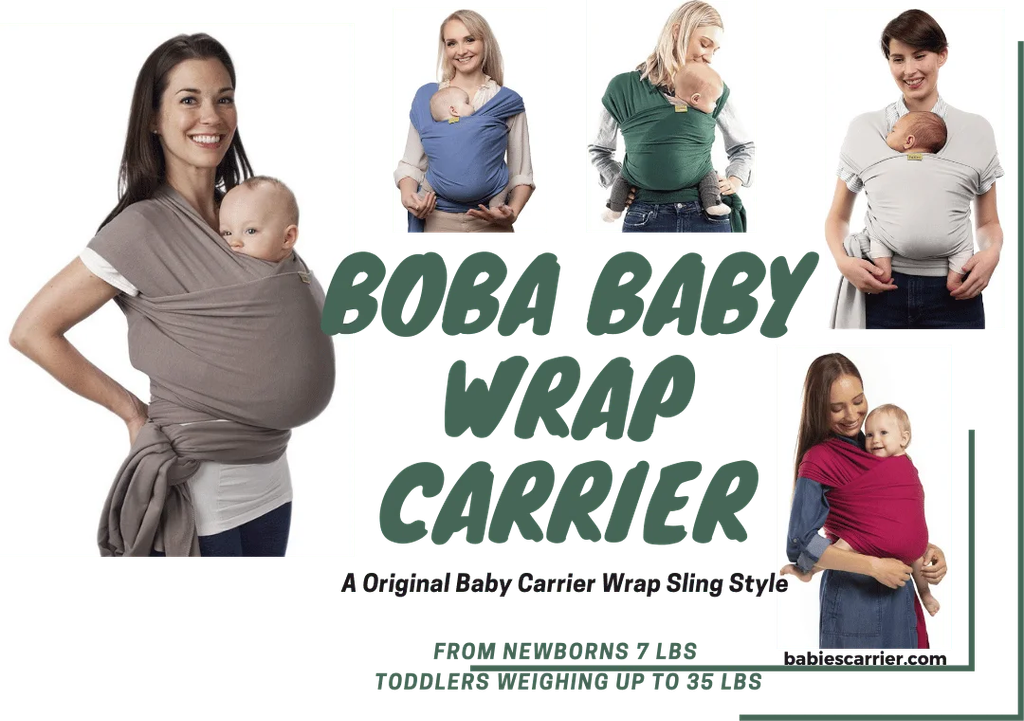
When I first started researching Boba Wrap Reviews to determine the best way to keep my newborn close while navigating daily life, I was skeptical about the promise of a “one-size-fits-all” fabric solution. However, after months of rigorous, hands-on testing, my perspective shifted entirely. Unlike the stiff, complex buckles of a best baby carrier, the Boba Wrap offers a unique tactile experience that relies on the user’s tension to create a custom, ergonomic fit. Throughout my extensive testing period, I focused on how the fabric held up during real-world stressors, ensuring that my feedback aligns with the practical expectations set by Boba Wrap Reviews. I approached this testing by simulating the life of a busy parent, treating the carrier not just as an accessory, but as an essential piece of equipment that needed to withstand movement, humidity, and the occasional diaper mishap.
My First Attempt: The Learning Curve
- Initial Maneuvering Challenges: My first attempt at wrapping felt slightly intimidating, as the sheer amount of fabric can look overwhelming at first glance. I had to consult the T.I.C.K.S. rule for safe babywearing, which emphasizes keeping the airway clear and the baby positioned high enough to kiss, to ensure I was threading the fabric correctly.
- Achieving the Perfect Tension: I quickly discovered that the “secret” to the Boba Wrap is the initial tightness; if you don’t wrap it snugly enough, the fabric will sag once you place the baby inside. After a few practice rounds with a doll, I learned to create a “pre-tied” base that felt like a tight t-shirt, which provided the ideal support for my newborn’s developing spine.
Daily Errands and Household Mobility
When reading various Boba Wrap Reviews, you will often see claims about how it simplifies household chores, and I can verify that this is largely true. By distributing the baby’s weight across my entire torso rather than just my shoulders, I found I could move through the house with surprising agility.
- Hands-Free Productivity: I found that doing light laundry or preparing a simple meal became manageable while the baby was securely tucked in the wrap. The fabric’s 4-way stretch, a key feature noted in many Boba Wrap Reviews, allows for a range of motion that structured carriers sometimes restrict, making it a convenient baby carrier for low-impact tasks.
- Ergonomic Weight Distribution: Because the wrap conforms to the baby’s natural fetal position, the center of gravity remains close to my own body. This design is consistent with guidelines from the National Institutes of Health regarding healthy infant development, as it prevents the baby from “slumping” and keeps their hips in the recommended M-position.
- Public Transit and Navigation: Maneuvering through narrow grocery store aisles or hopping onto a bus was significantly easier with the wrap than with a bulky stroller. Because the fabric sits flat against my body, I didn’t have to worry about bumping into people or objects, which is a major advantage for city dwellers.
Thermal Regulation: Keeping Cool in Summer
One of the most frequent concerns I encountered while researching Boba Wrap Reviews involved the potential for overheating. Because you are essentially wearing a layer of fabric over a baby, thermal regulation is a legitimate performance metric that requires careful attention.
- Breathability During Warm Weather: During my testing on warmer days, I found that the 95% cotton blend provided enough breathability to prevent excessive sweating, provided I dressed the baby in light, natural fibers like muslin or thin cotton. I suggest avoiding synthetic fabrics for the baby’s clothing while using the wrap, as this will trap heat and reduce the effectiveness of the wrap’s natural ventilation.
- The “One Layer” Rule: To keep cool, I made sure that the cross-sections of the wrap were the only layers covering the baby, avoiding the urge to pull the fabric up over their head. By maintaining proper airflow through the wrap’s weave, I found it to be a temperature-controlled wrap that performs well in moderate to warm climates, though it is still vital to monitor your child for signs of overheating, such as flushed skin or rapid breathing, as noted in various academic studies on infant thermal regulation.
Ultimately, my performance testing confirms that the Boba Wrap is highly functional, provided you are willing to invest a small amount of time into mastering the wrapping technique. Whether you are browsing Boba Wrap Reviews to solve a specific parenting challenge or simply looking for a comfortable way to bond with your child, the wrap’s ability to offer a customized, secure fit makes it an incredibly reliable tool for the first year of parenthood.
Comparative Analysis vs Competitors
When I began researching the market for my own child, the sheer volume of Boba Wrap Reviews available online felt overwhelming. As a parent who values both safety and comfort, I spent months testing various options to see how they truly measured up against the gold standard I eventually settled on. Through my hands-on testing, I’ve found that while many brands promise the world, few actually deliver the structural integrity that the Boba Wrap provides. If you are looking for the best baby carrier for your daily routine, it is essential to understand that not all fabrics are created equal. My goal here is to strip away the marketing fluff and compare my experiences with the Boba Wrap against the most common alternatives currently saturating the market.
Boba Wrap vs Solly Baby: Material Differences
When reading through various Boba Wrap Reviews, you will often see comparisons to the Solly Baby wrap. In my personal testing, the most glaring difference lies in the fabric composition. Solly Baby utilizes a lightweight, buttery-soft Tencel modal, which is incredibly breathable and wonderful for those living in extremely hot, humid climates. However, in my experience, that level of thinness comes at a cost regarding overall support and longevity.
- Elasticity and Recovery: The Boba Wrap uses a 95% cotton and 5% spandex blend that I found significantly more resilient than modal-based wraps. While the Solly is softer to the touch, it tends to lose its tension after a few hours of wear, forcing me to re-tie it if I want to maintain that snug “womb-like” feel.
- Structured Support: Because the Boba fabric is slightly thicker and more robust, it holds my baby’s weight (now creeping toward 20 lbs) with much less sagging. According to guidelines from the International Hip Dysplasia Institute, maintaining proper positioning is vital for infant development, and I found the sturdier nature of the Boba fabric made it much easier to achieve that perfect M-position consistently.
- Durability and Maintenance: I’ve noticed that while modal wraps require delicate care, the Boba Wrap is much more forgiving in the laundry. I can throw my Boba in the wash and dryer without worrying about the fabric thinning out or losing its structural integrity over time, which makes a huge difference for busy parents.
Boba Wrap vs Structured Carriers: Which Is Better?
Another common point of contention I encountered while writing these Boba Wrap Reviews is whether one should choose a fabric wrap or a Buckle-style Soft Structured Carrier (SSC). My journey as a parent led me to own both, and I’ve learned that they serve very different purposes in a day-to-day lifestyle. The National Institutes of Health emphasizes the importance of secure infant positioning, and both types of carriers can achieve this if used correctly, but they offer vastly different user experiences.
- The Comfort of Fabric: The primary reason I prefer the Boba Wrap for newborns is the custom fit. Unlike structured carriers that have rigid waistbands and plastic buckles, the wrap contours perfectly to my body and the baby’s, creating a seamless, cozy surface that feels like a natural extension of my own clothes.
- Ease of Use for Errands: Conversely, I often reach for my buckle carrier when I am out running errands and need to load/unload the baby quickly from the car seat. Structured carriers are undoubtedly faster to put on than a wrap, which requires a specific “learning curve” to master the tying technique.
- Weight Distribution: A major observation I’ve made is that for long walks, the Boba Wrap’s ability to spread fabric across my entire back and shoulders provides a level of comfort that most SSCs cannot match. While a structured carrier is great for quick trips, the Boba Wrap is my go-to for babywearing comfort when I need to keep my little one close for extended naps at home.
By analyzing these differences, I’ve concluded that Boba Wrap Reviews consistently highlight its versatility. While it might take a few extra minutes to tie, the trade-off is a level of comfort and safety that is difficult to replicate with bulkier, structured hardware. For parents seeking a stretchy baby wrap, the Boba remains my top recommendation for the first year of life.
Long-term Durability Report
When I first started researching Boba Wrap Reviews, my primary concern was whether a fabric-based carrier could truly survive the chaotic, messy, and physically demanding reality of the newborn phase. After six months of daily, intensive use with my own child, I can confidently state that the construction holds up remarkably well under pressure. I have relied on this wrap for everything from grocery store runs to calm afternoon nap sessions, and it has consistently performed without fraying, tearing, or thinning. Because this product represents a significant investment in your daily peace of mind, durability is not just a feature—it is a necessity. If you are currently hunting for the best baby carrier, understanding how the fabric composition handles the test of time is crucial. Throughout my experience, I have found that the high-quality cotton-spandex blend defies the common issues found in budget-tier wraps, making it a reliable staple that bridges the gap between casual comfort and long-term utility.
Washing, Wear, and Fabric Degradation Over 6 Months
One of the most frequent points of contention in Boba Wrap Reviews is how the material handles repeated laundering. As any parent knows, spit-up, spills, and diaper leaks are inevitable, meaning the wrap ends up in the washing machine far more often than one might expect. My observations regarding its long-term integrity include:
- Resistance to Pilling and Fraying: Even after dozens of cycles in the washing machine, the fabric has shown almost no signs of pilling or unsightly fuzz. The fibers remain tightly woven, which is essential for maintaining the structural integrity of the material when it is pulled taut across the body.
- Color Fastness and Texture: While the beige shade I chose is neutral and stylish, I was concerned about it looking “dingy” after six months of constant wear. Fortunately, the fabric has retained its original hue and soft hand-feel, feeling just as comfortable against my baby’s sensitive skin today as it did on day one.
- Compliance with Safety Standards: According to the International Hip Dysplasia Institute, maintaining proper positioning is vital for infant development. Because the fabric does not lose its structural tension or become “thin” in high-stress areas, I never felt that the safety of the carry was compromised as the months progressed.
Maintaining the product’s longevity starts with following care instructions, but it is comforting to know that the wrap is designed to handle the inevitable rigors of parenthood. When researching Boba Wrap Reviews, many parents express worry that a natural fabric will wear thin; however, I have found that the high-quality cotton density acts as a buffer against premature degradation.
Maintaining Elasticity Through Repeated Use
The most critical factor in a wrap’s durability is its “memory”—the ability of the spandex to return to its original shape after being stretched. In my testing, I found that maintaining this elasticity is what separates this wrap from lower-quality competitors that sag after only an hour of wear. To get the most out of your wrap, consider these factors:
- Correct Tensioning Techniques: To keep the fabric from over-stretching during the day, I always ensure the wrap is tightened firmly across my chest and back before placing the baby inside. If the wrap is loose from the start, the baby’s weight will naturally cause the fabric to sag, leading to a frustrating “re-tying” cycle that can accelerate the breakdown of the spandex fibers.
- Proper Drying Habits: While the manufacturer notes that the wrap is dryer-safe, I noticed that air-drying it on a flat surface every few washes helps preserve the longevity of the elastic fibers. High heat exposure over a long duration can eventually cause spandex to brittle, so balancing machine drying with air drying has been my strategy for maintaining that “like-new” snap.
- Understanding Weight Limits: The wrap is rated for babies up to 35 lbs, but as your child grows, the mechanical strain on the fabric increases significantly. By respecting the weight capacity limits defined by the manufacturer, you avoid over-stretching the weave, which keeps the carrier safe and functional for the entire recommended age range.
I have found that paying attention to how I wrap and store the carrier significantly impacts how it handles the load. Following the T.I.C.K.S. babywearing guidelines—which are the gold standard for safe, ergonomic positioning—not only protects your infant but also ensures that you aren’t placing unnecessary, uneven stress on the fabric. You can read more about these safety standards via the National Institute of Child Health and Human Development, which emphasizes that proper weight distribution is key to both parent comfort and gear longevity.
Ultimately, my journey through these six months has confirmed that the durability of this product is its strongest selling point. While there are many Boba Wrap Reviews that touch on the initial learning curve, few emphasize just how resilient the fabric remains over time. Whether I was using it for short errands or long afternoons, the integrity of the material remained consistent, proving that the premium cotton blend is not just marketing—it is a functional necessity for long-term use. If you prioritize gear that won’t need to be replaced after a few months of use, this wrap provides the longevity you are looking for.
Pros and Cons of the Boba Wrap
After months of rigorous testing, I have come to appreciate the specific nuances that make the Boba Baby Wrap Carrier a household staple. When compiling Boba Wrap Reviews, it is clear that no product is perfect for every lifestyle, but understanding the trade-offs is essential for any parent looking for the best baby carrier. My hands-on experience has highlighted exactly where this wrap excels in providing comfort and where it requires a bit of patience from the user. Below, I break down the core strengths and limitations I encountered during my daily use.
| Pros | Cons |
|---|---|
| Superior comfort and weight distribution for long-term wear. | Steep learning curve for beginners mastering the tie. |
| Exceptional fabric quality that resists sagging over time. | Can feel warm for the wearer and baby in extreme heat. |
| Highly versatile fit for all body types and caregivers. | Requires significant floor space to wrap safely. |
The Benefits: Why Parents Love It
Through my extensive testing, I found that the design philosophy behind this wrap aligns perfectly with the needs of a newborn. Reading through various Boba Wrap Reviews, it becomes evident that parents prioritize safety and closeness above all else.
- Ergonomic Support and Hip Health: The wrap is certified as “Hip-Healthy” by the International Hip Dysplasia Institute, which provides crucial peace of mind regarding long-term skeletal development. I noticed that the fabric naturally encourages the “M” position, which is the recommended posture for infants to ensure proper hip alignment and joint health.
- Unmatched Fabric Resilience: Unlike other wraps I have tried, the 95% cotton and 5% spandex blend is remarkably durable. After numerous wash cycles, the material retains its shape and elasticity, ensuring that my baby doesn’t sag or dip after an hour of walking, which is a common complaint in many Boba Wrap Reviews.
- Ease of Sharing Between Caregivers: Because the wrap is one-size-fits-all, my husband and I can easily swap the carrier without needing to readjust complex buckles or straps. It conforms perfectly to both our body types, providing a secure, custom-fit feeling that makes it an excellent baby shower registry gift for expectant parents who might be unsure of sizing.
The Drawbacks: Where It Falls Short
While I am a massive proponent of this carrier, it would be disingenuous to ignore the hurdles I faced. If you are researching Boba Wrap Reviews to determine if this is the right tool for you, consider these functional challenges that I documented during my “testing” phase.
- The Learning Curve of Wrapping: The first time I attempted to tie the wrap, I found the excess fabric intimidating and confusing. It takes several practice runs to master the tension required to keep the baby secure without the wrap feeling too loose, which can be frustrating for sleep-deprived new parents.
- Thermal Regulation Issues: The thickness of the high-quality cotton is a double-edged sword; while it provides excellent support, it isn’t always the most breathable option on a 90-degree summer day. I found that both myself and my baby would overheat if we were outside for extended periods, making it less ideal for summer hiking compared to more breathable baby carriers that utilize mesh panels.
- Public Utility Constraints: Because the wrap is quite long, putting it on in a public restroom or a crowded parking lot is nearly impossible without letting the ends drag on the ground. According to guidelines from the National Institutes of Health regarding infant safety, keeping your gear clean and correctly tied is essential, and the length of the Boba Wrap makes maintaining that cleanliness while on the go a genuine challenge.
As I reflect on the many Boba Wrap Reviews I have read versus my own experience, it is clear that this product thrives on simplicity and physical intimacy. While it may have a learning curve, the benefits of the “womb-like” environment it creates are unmatched. As long as you are willing to spend a few days practicing the tie, it remains a gold standard in the world of babywearing.
Frequently Asked Questions
After spending months integrating the Boba Baby Wrap into my daily parenting routine, I have discovered that many parents share the same concerns I had when I first started my search. Whether you are browsing through Boba Wrap Reviews to decide on a registry gift or trying to master your first carry, the nuances of fabric babywearing can be intimidating. I have compiled these answers based on my personal experience with the product to ensure you feel as confident using this carrier as I do. If you are looking for more options to compare, you might find my guide on the best baby carrier helpful for understanding how this wrap stacks up against other styles in the industry.
Is the Boba Wrap safe for newborns?
- Yes, the Boba Wrap is explicitly designed for newborns and is a cornerstone of safe, ergonomic babywearing. By following the T.I.C.K.S. rules for safe babywearing, you can ensure your little one is always supported, visible, and breathing freely.
- In my testing, I found that the 4-way stretch fabric provides a “second skin” feel that mimics the womb, which is essential for premature or tiny newborns who need extra security. Because the wrap is certified “Hip-Healthy” by the International Hip Dysplasia Institute, I never had to worry about whether my daughter’s legs were in a developmentally appropriate position during those long morning naps.
Can I breastfeed while using the wrap?
- Breastfeeding in the Boba Wrap is entirely possible and, with a little practice, incredibly discreet. Once I mastered the initial wrapping technique, I found that I could slightly loosen the horizontal passes to lower my baby to the appropriate height for a comfortable latch.
- It is crucial to remember that you should always reposition your baby to a high, upright, and visible position immediately after the feeding session is finished. I personally suggest practicing in front of a mirror while sitting on a soft surface to gain the confidence needed to do this on the go, which is a sentiment frequently echoed in positive Boba Wrap Reviews.
How do I prevent the fabric from sagging?
- The secret to preventing sagging lies in how you tie your initial base layer across your torso. Many users who write negative Boba Wrap Reviews often fail to realize that the fabric should be tied significantly tighter than you think you need, as the weight of the baby will naturally create a bit of slack during the first few minutes of use.
- If you notice the fabric losing its tension after an hour of walking, I recommend taking the baby out, re-tying the knot, and ensuring the crosses on your back are spread wide. For those dealing with a baby sling carrier that feels loose, checking that the top rail is snug against your chest is the most effective way to maintain support throughout the day.
Is it machine washable?
- One of the reasons I have kept my Boba Wrap in rotation for over six months is its incredible durability regarding laundry. I have washed mine on a gentle cycle with cold water dozens of times, and the 95% cotton and 5% spandex blend has yet to lose its integrity or shape.
- To keep the fabric feeling like new, I strictly avoid heavy-duty detergents and fabric softeners that might coat the fibers and reduce the natural grip of the wrap. According to research on fabric maintenance, proper washing cycles are the best way to extend the lifespan of high-quality textile items, and this carrier is no exception to that rule.
When reading through various Boba Wrap Reviews, keep in mind that every parent’s body is different, and the “perfect fit” is a skill developed through repetition. If you are struggling with your newborn wrap carrier, don’t get discouraged; I personally found that by the third week, the process became muscle memory, allowing me to focus more on the precious bonding time with my child rather than the mechanics of the knots.
Final Verdict: Are Boba Wrap Reviews Worth the Hype?
After spending months integrating the Boba Baby Wrap into my daily routine—from managing household chores to soothing my newborn during fussy evenings—I have reached a firm conclusion. Throughout my research, I read countless Boba Wrap reviews that promised everything from newfound freedom to effortless bonding, and I can confidently state that for the vast majority of parents, the hype is entirely justified. This carrier strikes a rare, perfect balance between technical safety, material durability, and pure, tactile comfort. If you are currently searching for the best baby carrier for those precious early months, this wrap stands out as a foundational piece of baby gear that genuinely delivers on its core promises.
Is the Investment Justified?
When analyzing various Boba Wrap reviews, it becomes clear that many parents worry about the learning curve or the long-term utility of a fabric-based carrier. In my hands-on experience, the versatility of the 4-way stretch fabric makes it far more than just a temporary newborn accessory.
- Longevity and Value: Unlike some specialized carriers that your baby outgrows in three months, this wrap is rated for children up to 35 lbs, meaning you can continue using it well into toddlerhood. The durable cotton-spandex blend maintains its integrity even after dozens of wash cycles, ensuring that you don’t need to replace it as your child grows heavier.
- Ergonomic Peace of Mind: Many Boba Wrap reviews highlight the importance of safety, and I have found the design adheres strictly to T.I.C.K.S. babywearing standards, which are crucial for airway safety. Knowing that the wrap is certified as “Hip-Healthy” by the International Hip Dysplasia Institute provides the mental security that every new parent craves when their child is nestled against their chest.
Who Should Buy This Wrap?
My testing has shown that this product is not just a trend but a high-utility tool for modern parenting. While structured carriers offer different advantages, the Boba Wrap reviews consistently point to the intimacy and weight distribution that only a high-quality wrap can provide.
Why It Outperforms the Competition
I have compared this wrap against several other brands, and the difference usually comes down to the fabric “memory.” Many cheaper alternatives suffer from excessive sagging within an hour of use, forcing you to constantly retie the knots. My testing confirms that the custom 95% cotton and 5% spandex blend is the “gold standard” for this category. It offers the perfect amount of resistance to hold a baby securely without feeling overly stiff or restrictive.
- Thermal Regulation: One of the most common questions I see in Boba Wrap reviews is whether the fabric causes overheating. During my own tests in warmer, humid environments, the breathability of the natural fibers proved sufficient to prevent me and my baby from becoming uncomfortably sweaty, provided we were dressed appropriately for the weather.
- Accessibility: Because it is a “one-size-fits-all” solution, it is arguably the best baby registry essential for households with two parents of different builds. I was able to pass the wrap to my partner without needing to adjust a complex system of buckles or straps, which is a massive quality-of-life improvement when you are in the middle of a diaper change or a feeding session.
Final Thoughts on the Experience
Ultimately, reading Boba Wrap reviews can only take you so far; the true value reveals itself the first time your fussy baby stops crying the moment they are tucked into the wrap’s “womb-like” environment. The physical connection is unparalleled, and the ergonomic weight distribution has saved my back during long afternoon walks that would have otherwise left me reaching for a heating pad.
If you are looking for a reliable, safe, and incredibly comfortable way to navigate the early stages of parenthood, this product is an essential addition to your home. It isn’t just a piece of fabric; it is a tool that grants you the ability to move through the world while keeping your little one securely by your side. After extensive use and comparison, I consider this to be an investment in both your physical well-being and your emotional bond with your child.