
In the landscape of modern parenting, the sight of a father navigating a bustling city sidewalk with a child strapped to his chest has become increasingly common. The question, “Do dads wear baby carriers” is no longer a matter of debate, but rather a standard practice for active, engaged fathers across the United States. Today, more men are embracing the physical closeness and practical utility that babywearing provides, shifting away from traditional expectations to take a hands-on role in daily caregiving.
Why Dads are Choosing to Wear Their Babies
The transition toward paternal babywearing is driven by a desire for deeper connection and functional efficiency. Research from Zero to Three, a leading organization focused on infant development, suggests that early physical contact is vital for emotional bonding. For the modern dad, carriers offer several distinct advantages:
- Hands-Free Productivity: It allows fathers to complete household tasks or manage errands while keeping the baby secure.
- Ergonomic Support: Many modern designs are engineered to distribute weight evenly, reducing strain during prolonged use.
- Bonding Opportunities: Close proximity helps the infant become accustomed to the father’s scent, voice, and heartbeat.
The Shift in Parenting Dynamics
As societal roles evolve, the equipment used by parents has adapted as well. While some may look for a specialized twin baby carrier to manage multiple children at once, others prefer sleek, structured styles. According to data from the U.S. Department of Health and Human Services, supportive involvement from fathers is directly linked to better developmental outcomes for children.
Ultimately, do dads wear baby carriers? Yes, they do—and they are finding it an essential tool for balancing the demands of work, home, and fatherhood. By utilizing ergonomic gear, fathers can easily incorporate infant development strategies into their everyday routines, ensuring both comfort and safety for their little ones. Whether hiking a mountain trail or simply heading to the grocery store, the practice of babywearing has solidified its place in the modern paternal playbook.
❌ Failed to fetch content. Error: HTTP 500: {“success”:false,”error”:{}}
The Benefits of Babywearing for Fathers
While the question “Do dads wear baby carriers” was once met with hesitation, modern parenting has shifted toward inclusivity and active participation. Today, fathers are increasingly recognizing that babywearing is not just a maternal domain; it is a vital tool for shared caregiving that offers immense psychological and physical advantages for both the parent and the child. Engaging in this practice fosters a deeper connection and allows fathers to play an active, hands-on role in early development.
Strengthening the Father-Infant Bond
Babywearing provides a unique opportunity for fathers to establish an early, secure attachment with their child. By keeping the baby close, fathers can participate in skin-to-skin contact, which researchers have shown to be essential for stabilizing the infant’s heart rate, breathing, and body temperature.
Key benefits of this physical closeness include:
- Oxytocin Release: Carrying a baby triggers the release of oxytocin, often called the “love hormone,” which promotes feelings of calm and parental bonding.
- Consistent Presence: It allows the baby to become familiar with the father’s scent, voice, and heartbeat, which can provide a sense of security in new environments.
- Shared Responsibility: When fathers utilize equipment like a specialized twin baby carrier, they gain the ability to manage multiple infants simultaneously, demonstrating equal investment in the daily demands of parenting.
According to studies from the National Institutes of Health, establishing these early biological rhythms through consistent interaction is a cornerstone of long-term emotional development.
Boosting Dads’ Confidence in Caregiving
For many new fathers, the early days of parenthood can feel overwhelming or disconnected. Babywearing serves as a practical solution to “bridge the gap” by placing the father directly in the flow of infant care.
When a father wears his baby, he gains:
- Intuitive Understanding: By having the baby against his chest, he learns to recognize subtle cues—such as hunger stirs, fatigue, or discomfort—much faster than if the baby were in a crib or stroller.
- Task Mastery: It builds parental self-efficacy by allowing fathers to soothe a crying infant or manage household tasks while keeping the baby calm and content.
- Empowerment: Successfully navigating a day of errands with a baby strapped securely in a carrier reinforces the father’s role as a primary, capable caregiver.
For further reading on infant safety and development, resources from the American Academy of Pediatrics provide excellent guidance on how parents can ensure their gear supports healthy physical growth. By embracing these tools, fathers transition from being “helpers” to being fully integrated partners in their child’s upbringing.
Types of Baby Carriers Best Suited for Dads
When people ask, “Do dads wear baby carriers?” the answer is a resounding yes. Modern fathers are increasingly seeking gear that balances rugged utility with ergonomic support. Choosing the right equipment depends largely on lifestyle, body type, and the specific needs of the infant. Whether heading out for a suburban errand or a rugged trail walk, there is a carrier designed to accommodate a father’s build and activity level.
Structured Carriers and Tactical Styles
Many fathers gravitate toward structured carriers, often referred to as ergonomic baby carriers, because they mimic the design of hiking backpacks. These carriers offer significant lumbar support, which is crucial for distributing weight evenly across the shoulders and hips.
- Adjustability: Most structured carriers feature heavy-duty buckles and webbing that allow for a custom fit for different body types.
- Tactical Aesthetics: Some brands offer “tactical” designs featuring MOLLE webbing, muted color palettes (olive, charcoal, coyote tan), and durable, weather-resistant materials.
- Technical Versatility: For parents managing multiple children, exploring a specialized twin baby carrier can provide the necessary structure to carry two infants safely and comfortably.
According to the American Academy of Pediatrics, proper positioning in these structured carriers ensures the baby’s hips remain in the “M” position, which is vital for healthy hip development.
Wraps and Ring Slings for Comfort
While structured carriers are popular, many dads find that fabric-based carriers offer a more intimate and adjustable experience. Wraps and ring slings rely on high-quality, breathable fabrics to create a secure, custom “pocket” for the baby.
- Custom Fit: Because these rely on tying or looping fabric, they can be tightened to the exact contour of both the father’s chest and the baby’s back, eliminating gaps.
- Breathability: Using moisture-wicking materials like bamboo or linen is a great way to stay cool, especially during warm weather.
- Low Profile: These options are often less bulky, making them easy to fold up and store in a diaper bag or vehicle glove box.
According to research from the National Institutes of Health, skin-to-skin contact during babywearing can significantly aid in stabilizing a newborn’s heart rate and temperature. Fathers who utilize these methods often report feeling a stronger, more intuitive connection to their child’s subtle cues throughout the day.
Practical Tips for First-Time Babywearing
Many individuals often ask, “Do dads wear baby carriers?” The answer is a resounding yes, as more fathers embrace the physical and emotional benefits of keeping their children close. Entering the world of babywearing can seem daunting at first, but with a few simple adjustments, any dad can master the technique. Whether using a standard model or exploring a versatile twin baby carrier for multiple infants, confidence comes from proper preparation and understanding the mechanics of weight distribution.
Adjusting Straps for a Proper Fit
Achieving a secure fit is the foundation of comfortable babywearing. If the carrier is loose, it causes strain; if it is too tight, it restricts movement.
- The High and Tight Rule: The baby should be positioned high on the chest, close enough to kiss the top of their head. This prevents the wearer’s back from compensating for a low center of gravity.
- Symmetrical Tension: Always tighten straps evenly. If one side is looser, the baby will tilt, which can lead to uneven weight distribution and subsequent discomfort.
- Waistband Placement: For most structured carriers, the waistband should sit firmly on the hips rather than the waist to shift the baby’s weight toward the stronger core muscles.
For additional guidance on developmental health and movement, consult resources from the American Academy of Pediatrics to ensure gear aligns with recommended physical activity standards.
Ensuring Proper Airflow and Hip Positioning
Safety is the top priority during every outing. Proper ergonomic positioning is essential to prevent hip dysplasia and ensure the baby remains comfortable during extended periods of wear.
- The “M” Position: The baby’s knees should always be higher than their bottom, forming an “M” shape with their legs. This supports healthy hip development as noted by the International Hip Dysplasia Institute.
- Airway Clearance: Always maintain a visible “C” curve in the baby’s spine. Their chin must be off their chest at all times to ensure an open airway.
- Temperature Regulation: Since the baby is pressed against the dad’s body, the parent acts as a heat source. Avoid over-dressing the infant in heavy layers, as this creates a risk of overheating.
- Routine Checks: Frequently monitor the baby’s face to ensure there is no fabric covering their nose or mouth. If the baby becomes fussy, check for pinching straps or uncomfortable pressure points.
By following these fundamental guidelines, fathers can ensure their experience is both safe and enjoyable, helping to debunk outdated stereotypes about who participates in hands-free caregiving.

Common Concerns and How to Overcome Them
Many new fathers hesitate to embrace babywearing due to perceived barriers regarding style, comfort, or traditional societal expectations. When asking, “Do dads wear baby carriers” in modern settings, the answer is a resounding yes, though the transition often requires addressing specific anxieties. By focusing on utility, proper ergonomic setup, and selecting the right gear, fathers can easily integrate this practice into their daily lives. For those managing multiple infants, exploring options like a versatile twin baby carrier can provide the necessary support for growing families.
Addressing Style and Aesthetics
A frequent concern among fathers is finding equipment that aligns with their personal style. Historically, the market leaned heavily toward floral patterns and pastel colors, which deterred some men from engaging with the gear.
- Neutral Palettes: Today, many brands offer “dad-friendly” aesthetics featuring olive drab, charcoal grey, navy, and tactical black colorways.
- Minimalist Design: Modern, structured carriers often prioritize clean lines and industrial fabrics that mimic outdoor gear.
- Focus on Function: When fathers shift their mindset from “fashion accessory” to “high-performance equipment,” the aesthetic choice becomes secondary to the carrier’s functionality.
According to resources from HealthyChildren.org, the primary goal of any carrier should be the safety and developmental support of the infant, regardless of the print or color of the fabric.
Dealing with Back Pain and Ergonomics
A common physical concern involves the potential for strain or discomfort during extended periods of use. Proper ergonomic carrying techniques are essential to ensure both the father’s comfort and the child’s safety.
- Weight Distribution: Fathers should look for carriers with padded, adjustable shoulder straps and a supportive waist belt to distribute the baby’s weight across the hips rather than just the shoulders.
- The “M” Position: Always ensure the baby’s knees are higher than their bottom, forming an “M” shape, which reduces the strain on the wearer’s spine and supports the baby’s hip development as noted by the International Hip Dysplasia Institute.
- Adjustment Intervals: Even with the best gear, it is important to take breaks. Periodic adjustments to the chest strap or waist belt can prevent muscle fatigue.
- Consulting Experts: If back pain persists, fathers should refer to guidelines from the National Institutes of Health regarding proper posture and load-bearing to ensure they are using their core muscles effectively while carrying.
By prioritizing these adjustments, fathers can minimize discomfort and maximize the time they spend bonding with their child.
Safety Protocols Every Dad Should Know
When considering why do dads wear baby carriers, the primary priority must always be the physical safety and developmental well-being of the infant. While modern gear is designed for convenience, fathers must adhere to strict safety guidelines to ensure the baby remains secure, comfortable, and properly supported during every outing. Proper education on equipment usage is essential to prevent common injuries and ensure that ergonomic support for infants is maintained throughout the day.
The TICKS Rule for Safe Carrying
To ensure a safe and successful experience, fathers should memorize the T.I.C.K.S. rule, a gold standard in the babywearing community. According to guidelines from Babywearing International, adhering to these five steps keeps the baby safe and the parent informed:
- T – Tight: The carrier should be snug enough to hug the baby close to the wearer’s body. Any slack in the fabric can cause the baby to slump, which may close their airway.
- I – In View at All Times: The baby’s face should always be visible. The wearer should be able to look down and see the baby’s nose and mouth unobstructed by fabric.
- C – Close Enough to Kiss: The baby’s head should be positioned high enough on the wearer’s chest that a simple tip of the head allows the father to kiss the top of the infant’s head.
- K – Keep Chin Off the Chest: A baby’s chin should never be curled into their chest. This position can restrict the airway; ensure there is at least a finger’s width of space under the baby’s chin.
- S – Supported Back: The baby’s back should be supported in a natural position with their tummy and chest against the wearer. If the carrier is upright, the baby’s spine should be well-supported.
Maintaining Vigilance in Public Spaces
Beyond the physical fit of the carrier, fathers must remain spatially aware when navigating the world. Engaging in safe babywearing practices requires a shift in how one moves through crowded environments.
- Mind Your Surroundings: Because the baby’s head extends beyond the wearer’s natural silhouette, fathers must be cautious of low-hanging objects, door frames, and crowded aisles.
- Avoid Risky Activities: While active dads may want to integrate fitness, the American Academy of Pediatrics advises against high-impact activities, running, or cycling while wearing a child, as the risk of a fall poses a significant threat to the infant.
- Hands-Free Limitations: Even when the baby is secure, fathers should use their arms to provide extra support when bending down or navigating uneven terrain. Never lean over at the waist; instead, squat by bending the knees to keep the baby’s center of gravity stable and upright.
- Regular Inspection: Before each use, inspect the carrier for wear and tear. Check that all buckles, clips, and seams are intact and free of debris that could compromise ergonomic infant positioning.
Integrating Babywearing into Your Daily Routine
The modern parenting landscape is evolving, and many people often ask, “Do dads wear baby carriers?” The answer is a resounding yes. Integrating a carrier into a daily routine is one of the most effective ways for fathers to balance productivity with nurturing their child. By incorporating babywearing, parents can ensure their little ones remain secure and comforted while maintaining their active lifestyles, which is supported by guidelines from the American Academy of Pediatrics regarding safe, responsive caregiving.
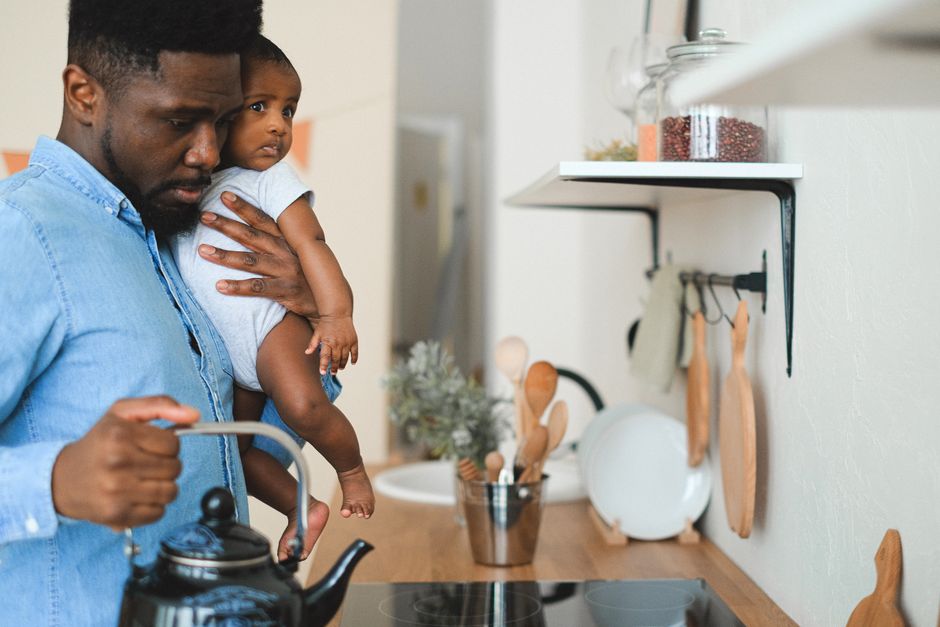
Doing Chores While Keeping Baby Close
When a parent is tackling household tasks, a baby carrier becomes an essential tool. It frees up both hands, allowing for efficiency without sacrificing the proximity a child needs.
- Multitasking Efficiency: Fathers can easily fold laundry, wash dishes, or prepare meals while their baby enjoys a cozy nap or watches the activity.
- Ergonomic Support: Utilizing a high-quality baby carrier helps distribute the baby’s weight evenly across the shoulders and hips, preventing the strain that often comes with one-armed carrying.
- Safe Environments: Always ensure the proper airflow is maintained around the baby’s face while moving through the house. Avoid proximity to hot stoves or sharp objects while engaged in chores.
Navigating Grocery Shopping and Errands
Running errands becomes significantly less stressful when the baby is securely attached. This approach eliminates the need to navigate bulky strollers through narrow store aisles or parking lots.
- Hands-Free Convenience: Navigating a grocery store is much simpler when a parent can push the shopping cart while keeping the baby snuggled against their chest.
- Reduced Contact: By keeping the infant in a carrier, fathers can minimize the number of surfaces the baby touches, which is a common concern during peak flu seasons.
- Public Accessibility: For those wondering if ergonomic baby carriers are practical in public, the answer is that they provide superior stability, allowing parents to move through crowded spaces with ease and confidence.
- Safety First: According to Child Welfare Information Gateway, maintaining consistent supervision is paramount; even while wearing a baby, parents should remain hyper-aware of their surroundings to prevent accidental bumps or falls in high-traffic areas.
By making babywearing a regular habit, fathers can foster a deeper connection with their children while effectively managing the demands of a busy household.
Babywearing During Outdoor Adventures
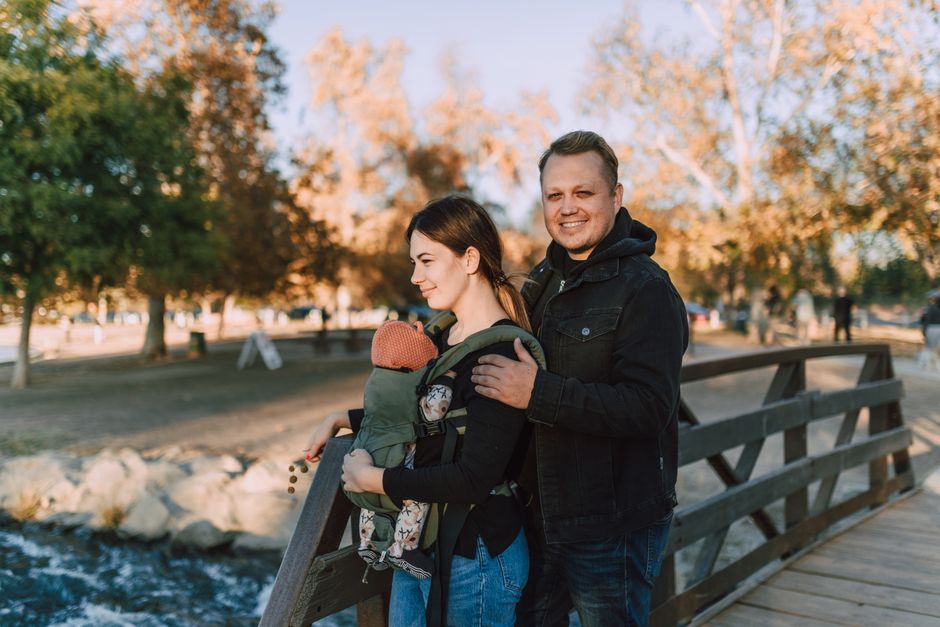
Outdoor enthusiasts often wonder, Do dads wear baby carriers when hitting the trails or heading into the wilderness? The answer is a resounding yes. Integrating a little one into outdoor activities is a fantastic way for fathers to foster an early appreciation for nature while maintaining an active lifestyle. Whether taking a walk through a local park or embarking on a rugged hike, babywearing allows parents to navigate terrain that would be impossible with a stroller. For those managing more than one child, researching specialized multi-child solutions can make these excursions much more manageable.
Selecting Gear for Hiking and Nature Walks
When venturing into the outdoors, fathers must prioritize equipment designed for durability and structural support. Standard soft-structured carriers work for casual walks, but dedicated hiking carriers are recommended for longer treks.
- Weight Distribution: Look for carriers with padded hip belts and load-lifting straps. These features shift the weight from the shoulders to the hips, which is essential for preventing strain during long walks.
- Frame Stability: Hiking-specific carriers feature a sturdy internal aluminum frame, allowing the carrier to stand upright on the ground while the parent secures the child.
- Storage Capacity: Choose models with ample pockets for outdoor safety gear, such as extra water bottles, diapers, and first-aid kits.
- Sun Protection: Opt for carriers that include integrated sunshades or rain covers to protect the infant from the elements.
According to the National Park Service, proper preparation and equipment are vital for a safe and enjoyable hiking experience, especially when trekking with an infant.
Layering and Temperature Regulation
Maintaining a stable body temperature is critical when babywearing in unpredictable outdoor environments. Because the baby shares body heat with the wearer, fathers must monitor the infant closely to prevent overheating.
- The Layering Rule: Dress the baby in breathable fabrics like moisture-wicking merino wool. Avoid over-bundling; the carrier itself acts as an extra layer of insulation.
- Monitoring Extremities: Check the baby’s hands, feet, and face frequently. If the baby’s skin feels hot or clammy, remove a layer or take a break in a shaded area.
- Weather Protection: Ensure the baby is shielded from direct wind and UV rays. The American Academy of Pediatrics suggests keeping infants under six months out of direct sunlight, so a wide-brimmed hat is an essential accessory.
- Hydration: Fathers should ensure both themselves and the child stay hydrated, utilizing hydration bladders for hands-free access to water during the activity.
By carefully selecting the right gear and paying attention to environmental conditions, dads can safely enjoy the great outdoors while keeping their little ones close.

Social Perceptions and the Modern Dad
The cultural landscape of parenting is shifting, and the question of “Do dads wear baby carriers” is increasingly met with a resounding “yes” across the United States. While historical stereotypes once positioned infant caregiving as a maternal-only domain, modern society is embracing a more balanced approach to active fatherhood. By utilizing a high-quality twin baby carrier or a standard ergonomic wrap, fathers are finding themselves at the forefront of a movement that prioritizes closeness and shared responsibility.
Breaking Traditional Gender Roles
For decades, the image of a primary caregiver was almost exclusively associated with mothers. However, today’s fathers are redefining what it means to be a “hands-on” parent.
- Normalization: Carrying a baby has become a symbol of a modern, involved father who isn’t afraid to step outside outdated societal norms.
- Active Engagement: Many men are now seeking out evidence-based resources to better understand the developmental benefits of physical closeness, which has helped normalize the sight of fathers wearing their children in public.
- The “Dad-Look”: Manufacturers have responded to this shift by designing neutral-toned, rugged, and tactical-looking gear, making it easier for fathers to feel confident and stylish while wearing their infants.
Building a Supportive Parenting Community
As more men step into active roles, the need for community support has grown. When people wonder, “Do dads wear baby carriers,” they are often looking for validation from peers who share their experiences.
- Peer Groups: Online forums and local “dad meetups” provide a space for fathers to discuss the ergonomics of babywearing and share gear recommendations.
- Inclusivity: Organizations like Zero to Three, a leading non-profit dedicated to early childhood development, emphasize that the father-infant bond is critical for healthy social and emotional growth.
- Shared Knowledge: Parenting communities often encourage fathers to seek inclusive parenting practices, where the distribution of labor is based on availability and capability rather than traditional gender roles.
By actively participating in these communities, modern dads are not only breaking down barriers but also ensuring that the next generation of parents views active, daily infant care as a shared endeavor.
Frequently Asked Questions
Many parents ask if do dads wear baby carriers as they prepare for the arrival of their little ones. The answer is a resounding yes; babywearing has become an essential tool for modern fathers looking to bond with their children while maintaining an active lifestyle. Whether managing daily errands or exploring the outdoors, dads are finding that these carriers provide both utility and emotional connection.
At what age can a baby start being carried?
- Newborns: Most structured carriers can be used from birth, provided the infant meets the minimum weight requirements—usually 7 to 8 pounds.
- Support: It is critical to ensure the carrier has proper head and neck support for newborns who lack muscle control.
- Consultation: Always check the manufacturer’s guidelines, as specific models vary. Organizations like HealthyChildren.org provide excellent resources on infant developmental milestones to consider.
- Versatility: For parents expecting multiple children, using a specialized twin baby carrier can also be an option once the infants reach appropriate weight thresholds.
Are ergonomic carriers better for father-child posture?
Yes, ergonomic design is vital for long-term comfort and safety. When a carrier is designed ergonomically, it offers significant advantages:
- M-Position: It supports the baby’s legs in an “M” shape, which encourages healthy hip development and prevents dysplasia, a standard recommended by the International Hip Dysplasia Institute.
- Weight Distribution: A high-quality carrier shifts the baby’s weight onto the parent’s hips rather than the shoulders, which is essential for reducing back strain.
- Posture Correction: By keeping the baby close and centered, the father is less likely to lean forward or compensate by slouching, promoting better spinal alignment for both.
Is it safe to exercise while wearing a baby?
While light activity is encouraged, parents should exercise caution regarding the intensity and type of movement:
- Low Impact Only: Walking, light hiking, or gentle stretching are generally acceptable.
- Avoid High Impact: Avoid activities like running, jumping, or contact sports. The rapid movement can be jarring for an infant’s developing neck and spine.
- Stability: Ensure the baby is strapped in tightly so they do not shift during movement.
- Clinical Guidance: For specific safety recommendations regarding physical activity post-birth, fathers can consult guidelines provided by the National Institutes of Health (NIH).
- Monitoring: Always ensure the baby’s airway remains clear throughout any activity, as rigorous movement can sometimes cause a baby to slump into a position that restricts breathing.
Conclusion: Why more dads wear baby carriers
The modern landscape of parenting has shifted significantly, leaving many to wonder: Do dads wear baby carriers? The answer is a resounding yes. As expectations for involved fatherhood continue to evolve in the United States, babywearing has become an essential tool for men who want to remain active, connected, and present in their children’s early development. It is no longer viewed as a gender-specific task but rather a functional and emotional bridge that strengthens the family unit.
The Shift Toward Active Fatherhood
More fathers are embracing the practice because it offers undeniable benefits for both the parent and the child. By choosing to wear their infants, men are actively participating in:
- Attachment Parenting: Research indicates that physical closeness promotes secure attachment, which is vital for early childhood development. For more insights on early bonding, the U.S. Department of Health & Human Services offers extensive resources on healthy child development.
- Ergonomic Support: Dads are increasingly prioritizing their own physical health by choosing ergonomic baby carriers that distribute weight evenly, preventing strain during daily activities.
- Increased Mobility: Whether navigating a crowded grocery store or going for a weekend hike, hands-free carrying allows fathers to manage daily tasks while keeping their little ones safe and comforted.
Why the Trend Continues to Grow
When people ask, Do dads wear baby carriers?, they are often looking for validation that this practice is both normal and beneficial. The trend is bolstered by:
- Technological Improvements: Modern gear is designed to be sleek, rugged, and adjustable, making it easier for dads of all sizes to find a comfortable fit.
- Health Advocacy: Pediatric organizations, such as the American Academy of Pediatrics (AAP), emphasize the importance of consistent caregiving, which is made easier when the infant is physically attached to the father throughout the day.
- Community Normalization: As more men share their experiences in parenting forums and social media, the stigma surrounding male caregivers performing “domestic” tasks has largely vanished.
Final Thoughts
Ultimately, the decision to wear a baby is a personal choice rooted in convenience and love. By incorporating babywearing into their daily routines, fathers are not only easing their own workload but are also playing an active, visible role in their child’s life. As the definition of the modern father expands, babywearing stands out as a practical, evidence-based habit that supports both the father’s mental well-being and the infant’s need for security. Whether it is for a quick errand or a long-distance walk, the practice is a testament to the dedication of today’s parents.
