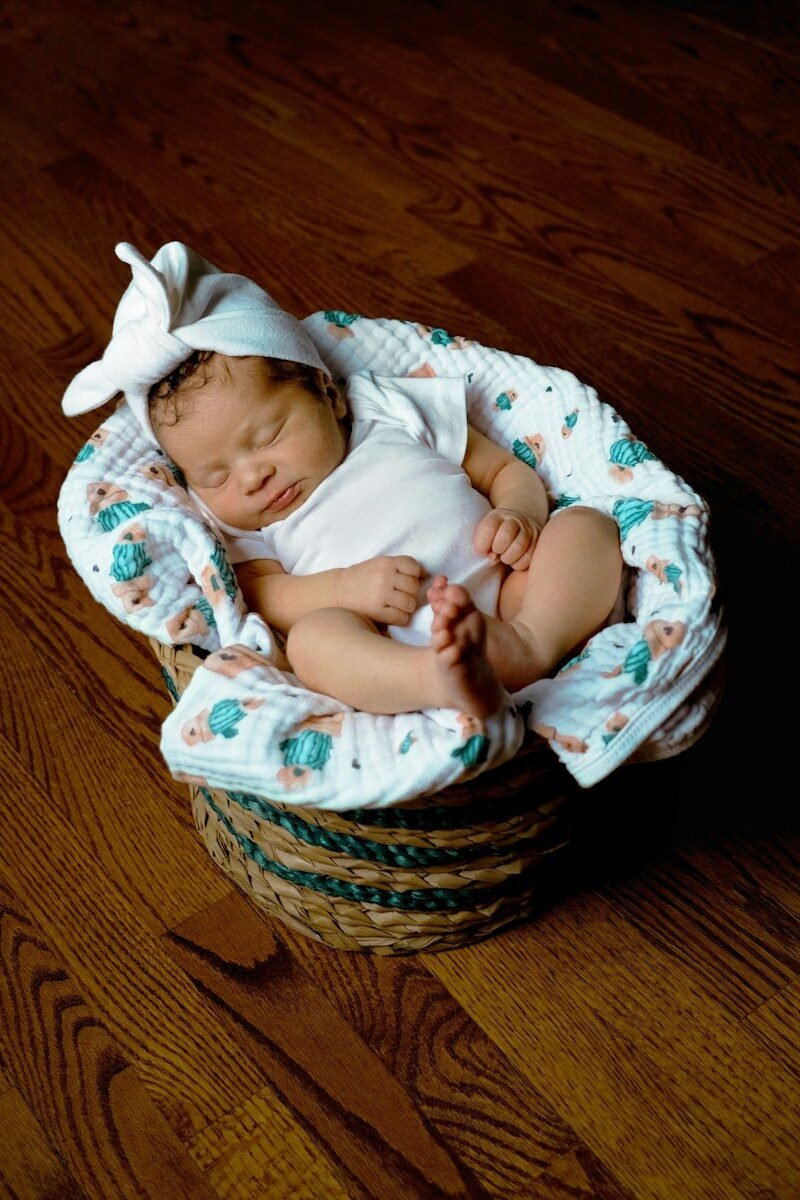
For new parents in the United States, selecting the right sleep environment is a top priority. Many families opt for a Moses basket due to its portability and cozy design. However, a common question remains: how long is a moses basket suitable for?
While these baskets provide a comforting, nest-like space for newborns, they are temporary solutions. Understanding the developmental milestones and safety guidelines is essential to ensuring your baby transitions to a larger sleep space at the right time. The American Academy of Pediatrics (AAP) emphasizes the importance of a safe sleep environment, which includes ensuring the sleeping surface is appropriate for the infant’s size and mobility.
Why Timing Matters
Knowing how long is a moses basket suitable for is not just about convenience; it is a matter of safety. As infants grow rapidly, they quickly reach physical milestones that signify they have outgrown their initial bedding. Parents should keep the following in mind:
- Growth Rate: Most babies will outgrow their Moses basket between 3 and 5 months of age.
- Safety Compliance: Always refer to the Consumer Product Safety Commission (CPSC) guidelines regarding infant sleep products.
- Developmental Milestones: When a baby begins to push up on their hands or knees, they are ready for a full-size crib.
Making the Transition
Planning for this change early can prevent last-minute stress. For families who are unsure about their current nursery setup, checking expert nursery planning resources can help prepare for a smoother move.
By monitoring your infant’s physical development and following manufacturer-recommended weight limits, you can ensure their transition from a Moses basket to a crib or bassinet is both safe and comfortable. Focusing on safe sleep practices ensures that your baby remains protected as they graduate to a more permanent, spacious sleep area.
Key Takeaways
Navigating the early months of parenthood requires quick access to safety information, especially regarding sleep environments. Determining how long is a moses basket suitable for your newborn is essential for maintaining a secure sleep space. Generally, these baskets are designed for infants from birth until they reach approximately 3 to 4 months of age, or until they begin to push up on their hands and knees.
- Weight vs. Age: While many manufacturers provide age ranges, weight is often the more critical metric. Most baskets have a weight limit of 15–20 pounds.
- Developmental Milestones: As soon as an infant shows signs of rolling over or sitting up, they have outgrown the basket and must transition to a safe crib environment.
- Safety Standards: Always ensure your product meets the current ASTM International safety standards for bassinet and cradle manufacturing to ensure optimal structural integrity.
- Firm Sleep Surface: Similar to a CPSC-approved crib, a moses basket must feature a firm, flat mattress to reduce the risk of SIDS and ensure proper physical development.
- Portability Awareness: These baskets are intended for convenience, but they should never be carried while the baby is inside to prevent accidents.
Understanding how long is a moses basket suitable for also involves checking the basket’s wear and tear. If the handles, base, or lining show signs of fraying, it is time to discontinue use immediately. By monitoring physical growth and following manufacturer guidelines, parents can create a transition plan that keeps the baby comfortable and secure as they grow.
Safety Standards for Moses Baskets
When determining how long is a moses basket suitable for, safety must remain the primary consideration for parents. These portable sleep environments are designed for newborns, but their lightweight nature requires strict adherence to safety guidelines established by organizations like the American Academy of Pediatrics (AAP). Ensuring a safe sleep environment involves more than just selecting an aesthetic piece for the nursery; it requires verifying that the basket meets current regulatory requirements to prevent sudden infant death syndrome (SIDS).
The Importance of Firm Mattresses
A common misconception among new parents is that a plush, soft mattress provides better comfort for a newborn. However, safety experts emphasize that a firm surface is non-negotiable.
- Firmness Test: The mattress should remain flat under the baby’s weight and not sag. A soft mattress increases the risk of entrapment or suffocation.
- Snug Fit: Always ensure there is no gap between the mattress and the sides of the basket. If you can fit more than two fingers between the mattress edge and the basket wall, the mattress is too small.
- Material Integrity: Never use a second-hand mattress. According to Consumer Product Safety Commission (CPSC) guidelines, older mattresses may harbor bacteria or have compromised structural support.
Ensuring Proper Airflow and Ventilation
Moses baskets, particularly those made of woven palm or maize, must allow for adequate air circulation to prevent overheating, which is a known risk factor for infant sleep safety.
- Breathable Liners: If the basket includes a liner, ensure it is made of breathable cotton or mesh material. Avoid bulky bumpers or heavy fabric liners that can block airflow.
- Placement Matters: Never cover the top of the basket with blankets or quilts. Proper ventilation relies on the free movement of air around the infant’s head.
- Structural Inspection: Regularly check the weave of the basket. If the material becomes frayed or develops sharp protrusions, it may obstruct airflow or pose a physical hazard to the baby.
By prioritizing these standards, parents can better navigate the transition periods and understand the limitations of these sleep aids. Keeping the sleep area free of toys, pillows, and loose bedding is essential regardless of the duration the basket is used.

Physical Signs Your Baby Has Outgrown the Basket
Determining how long is a moses basket suitable for your newborn requires constant observation of their physical development. Because every infant grows at a different rate, relying on chronological age alone is often insufficient. Instead, parents must look for specific physical markers that indicate it is time to transition to a larger sleeping environment, such as a full-size crib or a playard that meets CPSC safety standards.
Checking for Sufficient Head and Foot Clearance
A moses basket is designed to provide a cozy, confined space that mimics the womb, but it quickly becomes too restrictive. When evaluating how long is a moses basket suitable for your child, consider these spatial requirements:
- Proximity to Edges: If the baby’s head is touching the top edge or their feet are pressed against the bottom, the space is no longer sufficient.
- Arm Movement: If the baby cannot comfortably extend their arms fully without hitting the sides of the basket, they lack the necessary room for natural movement.
- The “Reach” Test: As a general rule, if the baby appears cramped or restricted when they stretch out, it is time to upgrade to a larger sleep surface to ensure they remain in a safe sleep environment.
Monitoring Mobility and Rolling Milestones
The most critical indicator that the basket is no longer safe involves the baby’s developing motor skills. As stated by the American Academy of Pediatrics (AAP), once an infant begins to show signs of increased mobility, they can easily reach the edges of a smaller sleep vessel.
- Rolling Over: If the baby has started rolling from their back to their stomach, the high walls of a moses basket may pose a suffocation risk if they end up pressed against the side.
- Pushing Up: If the infant begins to push up onto their hands and knees, they are at risk of tipping the basket or climbing out.
- Increased Activity: Increased restlessness or frequent changes in position during sleep are common signs that the current sleeping arrangement is too restrictive.
If you observe these developmental milestones, you should transition your baby to a larger crib immediately, regardless of whether they have reached the manufacturer’s maximum weight limit. Following these guidelines ensures that your baby remains secure as they progress through these early, rapid growth stages.
Weight Limits and Manufacturer Guidelines
Determining how long is a moses basket suitable for requires more than just a quick glance at the calendar. While many parents assume these cozy sleepers are safe until the third or fourth month, the reality is dictated by specific technical constraints. Understanding the structural limitations and adhering to the guidelines provided by the Consumer Product Safety Commission (CPSC.gov) is essential for maintaining a safe sleep environment for a newborn.
Why Weight Matters More Than Age
Parents often ask, “how long is a moses basket suitable for” based on their infant’s age, but weight is the far more critical metric for structural integrity. Moses baskets are lightweight, portable vessels, and they possess distinct load-bearing capacities that should never be ignored.
- Structural Load: Most manufacturers design these baskets to hold babies weighing between 15 and 20 pounds. Exceeding this limit can compromise the base, especially if the basket is being carried by its handles.
- Safety Thresholds: Once a baby approaches the maximum weight, the structural fibers—whether wicker, palm, or maize—may become stressed, increasing the risk of the basket tipping or collapsing when placed on a stand.
- Consulting Research: According to findings published by the National Institutes of Health, maintaining a consistent sleep space that supports the infant’s physical size is a key factor in reducing sleep-related hazards.
Reading Your Specific Product Manual
Every brand has unique specifications, and it is a common mistake to assume all baskets share identical safety ratings. Before putting a newborn down for a nap, caregivers should thoroughly review the manufacturer’s instructions.
To ensure the baby remains safe, follow these steps:
- Verify the Weight Capacity: Check the tag or the user manual for the specific maximum weight allowance.
- Assess Mobility Milestones: Even if the baby is under the weight limit, the manual will state that the basket must be retired the moment the child begins to push up on their hands and knees or roll over.
- Check Hardware Compatibility: If using a stand, ensure the manual specifies that the basket is compatible with that specific base model to prevent accidental detachment or instability.
By treating the manufacturer’s documentation as the primary authority, parents can confidently answer the question of how long is a moses basket suitable for their growing child, ensuring they transition to a full-size crib before the infant reaches their developmental milestone of increased mobility.

Portability and Convenience Benefits
One of the primary reasons parents choose a Moses basket is the unmatched level of flexibility it provides during the newborn stage. While many parents frequently ask how long is a moses basket suitable for, the reality is that its period of utility is defined by its portability, making it a staple for new families. Unlike heavy furniture, these lightweight sleepers allow parents to maintain close proximity to their infant, which is a key recommendation from the American Academy of Pediatrics (AAP) regarding safe sleep environments.
Benefits for Daytime Napping
The Moses basket excels as a portable sleep solution for daytime naps, allowing the baby to rest comfortably while parents attend to household tasks.
- Proximity: Parents can keep the basket in the home office, kitchen, or living room, ensuring the infant remains in their line of sight.
- Consistency: Because the basket provides a familiar environment, it can help the baby establish a consistent napping routine regardless of where the parents are in the house.
- Flexibility: It eliminates the need to carry a heavy, stationary crib mattress to other rooms when the baby needs a quick nap.
According to research published by the National Institutes of Health (NIH), maintaining a consistent environment can be beneficial for an infant’s sleep patterns. By keeping the basket stationary in terms of comfort—meaning the same bedding and familiar surroundings—the baby often feels more secure during the day.
Moving Baby from Room to Room
The design of the Moses basket prioritizes movement, making it easier to transition the baby without disturbing their sleep cycle.
- Lightweight Materials: Crafted from materials like woven wicker or palm leaves, these baskets are designed to be lifted and moved with ease.
- Safety First: When moving the basket, it is critical to ensure the handles are sturdy and the baby is safely positioned in the center. Always use two hands and avoid carrying the basket while the baby is inside if you are walking up or down stairs.
- Space Efficiency: Its compact footprint means it fits easily into small spaces, making it ideal for parents living in apartments or smaller homes where a full-size crib might be cumbersome.
While evaluating how long is a moses basket suitable for, it is helpful to remember that once a child reaches the manufacturer’s weight limit or begins to push up on their hands and knees, the portability benefits are outweighed by the need for a more secure, stationary crib environment. Always prioritize the infant’s physical development milestones over the sheer convenience of the basket’s size.
Transitioning to a Full-Size Crib
Once parents determine how long is a moses basket suitable for—typically around 3 to 4 months of age—the next step is moving the infant to a more permanent sleeping environment. Because moses baskets are designed for newborns, they lack the structural longevity required for older, more mobile infants. Transitioning to a full-size crib is a necessary milestone that ensures long-term safety and supports the baby’s development as they become more active. According to the American Academy of Pediatrics (AAP), creating a safe, consistent sleep environment is critical for reducing sleep-related risks as babies grow.
Preparing for the Nursery Move
Preparation is key to a successful transition from a portable basket to a stationary crib. Before moving the baby, parents should ensure the nursery is set up according to safe sleep guidelines:
- Audit the Crib: Ensure the crib meets current CPSC safety standards, which mandate specific slat widths and structural integrity to prevent entrapment.
- Clear the Sleep Space: Remove all soft bedding, bumpers, blankets, and plush toys. The crib should contain only a firm, tight-fitting mattress with a single, fitted sheet.
- Establish the Environment: Utilize a white noise machine or blackout curtains in the nursery to replicate the cozy, consistent environment the baby experienced in the moses basket.
- Acclimation: Spend time in the nursery during the day, playing or reading, so the baby associates the room with positive, calm experiences.
Making the Transition Smooth for Parents
The shift from a portable basket to a crib can be just as difficult for parents as it is for the child. To make the nursery transition seamless, consider the following strategies:
- Start with Naps: Begin by having the baby take one or two daytime naps in the full-size crib. This allows the baby to get used to the new space without the pressure of an overnight stretch.
- Maintain the Routine: Keep the same bedtime cues (bath, book, swaddle or sleep sack) regardless of where the baby is sleeping. Consistency provides a sense of security.
- Use a Video Monitor: Many parents find peace of mind by using a high-quality baby monitor to observe the infant’s comfort level in the new crib without disrupting their sleep by entering the room.
- Gradual Movement: If the baby is used to having the moses basket right next to the bed, consider placing the crib in the primary bedroom temporarily before moving it to the designated nursery to ease the separation.
By focusing on these gradual steps, parents can ensure that once they understand exactly how long is a moses basket suitable for, they are well-prepared to move the baby into a larger, more secure sleeping arrangement that will last throughout the first year and beyond.

Choosing the Right Moses Basket Stand
Selecting the proper support for a Moses basket is essential for both convenience and baby safety. While parents often focus on how long is a moses basket suitable for before the infant outgrows the space, the stability of the stand determines the security of the sleeping environment. A high-quality stand elevates the basket to a comfortable height for parents while ensuring the base remains level and secure. According to guidance from the Consumer Product Safety Commission, choosing equipment that meets current safety standards is paramount to preventing accidental falls or tip-overs.
Stationary vs. Rocking Stands
When deciding on a stand, parents typically choose between two primary styles:
- Stationary Stands: These are designed for maximum stability. They feature fixed legs that keep the basket in a completely horizontal position. Many pediatric experts prefer these because they minimize the risk of the basket shifting or tipping during the night.
- Rocking Stands: These allow for a gentle side-to-side motion, which can be helpful in soothing a fussy baby. If opting for a rocking stand, parents must ensure it includes a locking mechanism to keep it stationary when the baby is sleeping unattended.
Regardless of the style, the stand should be compatible with the specific brand of the Moses basket to ensure a snug fit. Using a generic stand that is too large or too small can compromise the structure, potentially reducing the duration of how long is a moses basket suitable for your growing child.
Safety Checks for Stability
Before placing a baby in the basket, owners should conduct a thorough stability check. Proper setup is a critical component of safe sleep practices, as outlined by the American Academy of Pediatrics.
Follow this safety checklist to ensure the stand is secure:
- Level Surfaces: Always place the stand on a flat, even floor. Never place it on elevated surfaces like tables or chairs, as these pose a significant fall risk.
- Structural Integrity: Regularly check all screws and fasteners. If the stand uses folding legs, verify that the locking pins are fully engaged.
- Weight Distribution: Ensure the basket sits centered in the stand. If the weight is distributed unevenly, the stand may become top-heavy and prone to tipping.
- Clearance: Keep the stand away from curtains, blind cords, or wall heaters to maintain a hazard-free zone.
If the stand shows signs of wobbling or loose joints, it should be repaired or replaced immediately. Maintaining the hardware in top condition allows families to maximize the use of the basket until the child reaches the natural limits of the product.
Cleaning and Maintenance Tips
Proper maintenance is essential to ensure a baby’s sleep environment remains hygienic and secure. Regardless of how long is a moses basket suitable for your infant, keeping the materials clean helps prevent the buildup of allergens and bacteria. Routine inspections also guarantee that the structural integrity of the basket holds up until the baby is ready to move to a crib. According to the American Academy of Pediatrics, maintaining a clean, clutter-free sleeping area is vital for reducing the risk of SIDS.
Keeping the Basket Liner Fresh
Most Moses baskets come with a removable fabric liner that can easily trap dust, dander, and spit-up. Keeping this clean is a simple way to maintain a healthy sleep space.
- Follow the Label: Always check the manufacturer’s care instructions. Most liners are machine washable, but some require a delicate cycle with mild, fragrance-free detergent.
- Avoid Harsh Chemicals: Because a newborn’s skin is highly sensitive, avoid using strong fabric softeners or bleach.
- Frequency: Aim to wash the liner at least once every two weeks, or immediately if there is a spill.
- The Mattress Cover: Ensure the mattress is protected by a waterproof, breathable cover. The Consumer Product Safety Commission recommends checking these covers for any signs of damage or tears that could harbor moisture or bacteria.
Inspecting the Wicker for Wear and Tear
While wicker is aesthetically pleasing, it is a natural material that can deteriorate over time. Vigilance is required to ensure the basket remains safe during the window of how long is a moses basket suitable for a growing baby.
- Check for Splinters: Regularly run a hand along the inside and outside of the basket. If any wicker strands are fraying, snapping, or creating sharp edges, they must be sanded down or the basket should be retired immediately.
- Structural Stability: Periodically press down on the bottom of the basket to ensure the base is not sagging. If the frame feels brittle or shows signs of cracking, it is no longer safe for use.
- Pest Vigilance: Because wicker is a natural, woven material, it is important to store the basket in a cool, dry place to prevent mold or dust mites. If the basket is being kept for a future child, ensure it is completely dry before wrapping it in breathable material.
- Handle Check: Test the handles for strength regularly. Over time, the stitching or the weave attaching the handles to the basket can weaken. Never carry a baby inside the basket if there is any doubt regarding the integrity of the handles.

Frequently Asked Questions
When parents begin their newborn journey, understanding how long is a moses basket suitable for remains a top priority for ensuring both safety and comfort. Because developmental milestones vary, these frequently asked questions address common concerns regarding the transition from a portable basket to a permanent crib. Following guidelines from the American Academy of Pediatrics (AAP), caregivers can better navigate these early months with confidence.
Can a baby sleep in a moses basket overnight?
Yes, a baby can sleep in a Moses basket overnight, provided it meets modern safety regulations. However, parents should keep these points in mind:
- Safety Standards: Ensure the basket is designed for sleep and not just for carrying or display.
- Flat Surface: The basket must be placed on a firm, flat, and stable surface or an approved stand.
- Duration: Keep in mind that how long is a moses basket suitable for depends on the baby’s growth; once they reach the manufacturer’s weight limit, they must move to a crib to prevent tipping.
What should the baby wear while in the basket?
To ensure safe sleep, it is vital to prevent overheating, which is a known risk factor for SIDS.
- Dress Lightly: A simple onesie or a light swaddle is usually sufficient depending on room temperature.
- Avoid Over-bundling: Do not use heavy blankets or pillows inside the basket.
- Temperature Control: Keep the room temperature comfortable—generally between 68 and 72 degrees Fahrenheit. For more detailed advice, refer to recommendations from NICHD regarding healthy sleep environments.
Are moses baskets safe for unsupervised sleep?
While Moses baskets are designed for newborns, they are generally intended for use when the baby is within sight.
- Portability Risks: Because these baskets are lightweight, they can be easily knocked over if placed on an unstable surface.
- Supervision: While sleeping in the same room as the parents (room-sharing), the baby can use the basket, but the basket should never be left on a couch, table, or uneven surface where it could fall.
- Active Infants: Once a baby begins to pull themselves up or roll, supervision becomes even more critical, signaling it is time to transition to a full-sized crib.
What do I do with the basket after the baby outgrows it?
Once a child reaches the limit of how long is a moses basket suitable for, the item still has utility:
- Storage: If the basket is in good condition, store it in a dry, cool place for future children, ensuring it is thoroughly cleaned first.
- Repurposing: Many parents use high-quality baskets for storing stuffed animals, blankets, or nursery linens.
- Donation/Recycling: If the wicker is damaged, frayed, or the base is compromised, it should be discarded. Only donate items that are structurally sound and meet current Consumer Product Safety Commission guidelines.
Comparing Moses Baskets to Bassinets
Choosing the right sleeping environment for a newborn involves balancing comfort, portability, and safety. While both offer a cozy space for a newborn, understanding how long is a moses basket suitable for requires a clear comparison with standard bassinets. Parents often choose these options to keep their little ones close during those precious early months, though their physical attributes differ significantly. For comprehensive guidelines on safe sleep environments, the American Academy of Pediatrics (AAP) provides essential resources for new parents.
Space and Storage Differences
The primary distinction between a traditional Moses basket and a bassinet lies in their footprint and structural design.
- Portability: Moses baskets are highly mobile, often featuring integrated handles that allow parents to move their sleeping baby from the bedroom to the living room with ease.
- Stationary Bassinets: Bassinets typically have a larger frame and are designed to stay in one location—usually beside the parent’s bed. They often include extra features like storage baskets underneath or built-in white noise machines.
- Footprint: Because of their minimalist design, Moses baskets take up significantly less floor space, making them ideal for smaller apartments or nurseries where square footage is limited.
When considering how long is a moses basket suitable for, the physical space constraints of the basket usually dictate the end of its use, whereas bassinets may offer a slightly more generous surface area for growing infants.
Longevity and Durability Factors
Durability is a major factor when determining which sleep solution offers the best value. Most experts agree that safety is the top priority, regardless of which product is chosen. You can find more information on safe sleep practices through NICHD resources.
- Moses Basket Longevity: These are strictly for newborns. Once an infant begins to show signs of rolling over or pushing up, the basket is no longer considered safe.
- Bassinet Longevity: Some bassinets are engineered with higher weight limits and more robust frames, potentially allowing them to be used for a few weeks longer than a traditional wicker Moses basket.
- Construction Materials:
- Moses baskets are crafted from woven materials like palm leaves or maize, which are beautiful but prone to wear over time.
- Bassinets are typically constructed from metal, wood, or high-density plastic, providing a more rigid and often more durable structure that can withstand daily use throughout the first few months of a child’s life.
Ultimately, while a bassinet might offer a slightly longer window of utility, both options are temporary sleeping solutions. Parents should always prioritize the developmental milestones—such as increased mobility—over a specific age when determining the right time to transition the child to a full-size crib.

Common Mistakes to Avoid
Navigating the early months of parenthood requires vigilance, especially when it comes to sleep safety. While parents often focus on how long is a moses basket suitable for, they may overlook critical safety hazards that can occur long before the baby reaches the weight limit. Avoiding common setup and maintenance errors is essential to maintaining a secure sleep environment. According to the American Academy of Pediatrics (AAP), creating a safe, clutter-free space is the most effective way to reduce the risk of sleep-related infant deaths.
Using Second-Hand Mattresses
Many parents look to reuse gear to save money or reduce waste, but replacing the mattress is one area where they should never compromise.
- Hygiene Risks: Used mattresses can harbor dust mites, bacteria, and mold spores that are invisible to the naked eye.
- Structural Integrity: Over time, mattress foam loses its firmness. A soft or sagging surface increases the risk of suffocation, as a baby’s face could become pressed into the material.
- The SIDS Connection: Research published via PubMed.gov suggests that using a firm, clean mattress is vital for infant safety.
- Recommendation: Always purchase a new, snug-fitting mattress specifically designed for the dimensions of the specific Moses basket brand being used.
Placing the Basket on Uneven Surfaces
A Moses basket is designed for portability, but this convenience often leads to dangerous placement habits. Regardless of how long is a moses basket suitable for, the surface it rests on determines its stability.
- The Risk of Tipping: Placing a basket on a bed, sofa, or an unstable table can lead to it sliding or tipping over. The Consumer Product Safety Commission (CPSC) strongly advises against placing sleep products on elevated, non-level surfaces.
- Proper Placement:
- Always use a manufacturer-approved, sturdy stand designed for the basket.
- Ensure the stand is placed on a flat, level floor surface.
- Keep the basket away from cords, blinds, or heavy blankets that could fall into the sleeping area.
- Verification: Parents should check that the locking mechanisms on a folding stand are fully engaged before placing the baby inside. If the basket does not have a dedicated stand, it should only be placed on the floor in a safe, pet-free, and draft-free area.
Final Thoughts on how long is a moses basket suitable for
Determining how long is a moses basket suitable for requires a balance between parental convenience and infant development. While these portable beds offer a cozy, womb-like environment for newborns, they are inherently temporary solutions designed for the earliest months of life. Parents should prioritize safety above all else, keeping a close eye on their child’s physical growth and emerging motor skills to ensure a timely transition to a more permanent sleep space.
Summary of Suitability Factors
When evaluating the timeline for your child, consider these essential milestones:
- Developmental Milestones: As soon as an infant begins to push up on their hands and knees or show signs of rolling over, they have officially outgrown the basket.
- Physical Growth: If the child’s head and feet are touching the ends of the basket, it is time to move them to a crib or a larger bassinet.
- Weight Limits: Always adhere to the manufacturer’s maximum weight limit, which is often significantly lower than the weight capacity of a standard full-size crib.
Prioritizing Safe Sleep Practices
Ultimately, the primary goal of any infant sleep arrangement is adherence to established safety protocols. Organizations such as the American Academy of Pediatrics (AAP) emphasize that infants should sleep on a firm, flat surface free of soft bedding, pillows, or blankets to reduce the risk of SIDS.
To maintain the highest standards of safety, caregivers should:
- Consult the Consumer Product Safety Commission (CPSC) for the latest product recalls or safety standards regarding infant bedding.
- Ensure that the basket is placed on a sturdy, manufacturer-approved stand rather than on elevated furniture.
- Transition the baby to a safe sleep environment—such as a stationary crib or play yard—as soon as they show the first signs of increased mobility.
Making the Transition Seamless
While the question of how long is a moses basket suitable for often causes anxiety for new parents, the transition is a natural part of infant development. By focusing on the physical cues rather than just the age of the baby, parents can ensure their child remains secure and comfortable throughout their first year of growth. Once the baby outgrows the basket, moving them to a nursery setting helps establish a consistent, long-term sleep routine that supports healthy development and rest for the entire family.