Becoming a parent is a journey of constant adjustment, where your hands are rarely free and your need for efficiency reaches an all-time high. When I first welcomed my newborn into the world, I quickly realized that traditional strollers weren’t always practical for quick grocery runs or soothing a fussy baby at home. That realization led me to research the best baby wrap options available, eventually landing me on the Moby Basics. Writing this Moby Baby Wrap Review has been a labor of love, born from months of daily wear, countless spills, and the profound realization that a simple piece of fabric can fundamentally change your parenting experience. I wanted to create a resource that goes beyond the marketing claims, offering you an honest, hands-on look at whether this carrier truly lives up to its reputation for comfort and ease of use.
Why I Chose the Moby for My Newborn
When I started my search, I was overwhelmed by the variety of carriers on the market, from structured soft-structured carriers to complex ring slings. I specifically sought out the Moby because of its reputation for promoting the “kangaroo care” method, which is a skin-to-skin practice supported by health organizations like the American Academy of Pediatrics to stabilize a newborn’s heart rate and temperature.
I chose this specific product for several key reasons:
- Natural Bonding and Soothing: I discovered that the close proximity offered by the Moby wrap helped significantly with my baby’s temperament, often acting as a “magic switch” for crying spells. By keeping my little one tucked against my chest, I found they were calmer, which researchers note can help reduce the physiological stress associated with colic in early infancy.
- Ergonomic Support for Growth: I needed something that would adapt as my baby moved from those fragile newborn days toward the more curious toddler stage. The Moby’s ability to support weight from 8 to 33 lbs meant I wouldn’t need to replace my carrier every three months, making it a highly cost-effective and comfortable baby carrier for long-term use.
- Physical Recovery for Parents: As a new parent recovering from delivery, I needed a way to carry my baby that wouldn’t strain my lower back or shoulders. The way this wrap evenly distributes weight across the entire upper body—rather than just the shoulders—was a primary factor in my decision to trust the Moby for my daily needs.
Initial Impressions and Packaging
When the package arrived, my first impression was focused on the simplicity of the design. Unlike modern, buckle-heavy carriers that look like tactical gear, the Moby is refreshingly uncomplicated. The packaging was minimal yet protective, reinforcing the brand’s commitment to a more stripped-back, natural approach to parenting. As I pulled the fabric out, I was immediately struck by the tactile quality of the material; it felt soft enough for sensitive newborn skin but sturdy enough to instill confidence that it would hold its shape over time.
Beyond the initial tactile experience, here are a few things I noted during the unboxing process:
- The “First Touch” Quality: The fabric feels remarkably breathable, which is a major concern for parents worried about overheating while wearing their child. I immediately checked the material composition to ensure it would be gentle on my baby’s delicate limbs, and I was pleased to find it lacked any harsh chemical odors often associated with synthetic fabrics.
- Ease of Access and Instructions: The Moby includes straightforward instructions that I found to be quite intuitive, even for someone who had never tied a wrap before. Many parents struggle with the learning curve of wraps, but the visual guides provided were helpful enough that I managed to get my newborn secure on the very first try without feeling overwhelmed by the length of the fabric.
- Portability and Versatility: I noticed that the wrap folded down into a very compact size, making it a perfect baby sling carrier to toss into a diaper bag for outings. This portability was crucial for my lifestyle, as I needed a solution that was ready to go the moment we stepped out of the house for a walk or a quick trip to the park.
As I dove into this Moby Baby Wrap Review, I kept in mind the importance of safety standards set by organizations like the Consumer Product Safety Commission regarding infant positioning. Throughout my testing, I ensured the “TICKS” rule—Tight, In view at all times, Close enough to kiss, Keep chin off the chest, and Supported back—was always followed. This comprehensive Moby Baby Wrap Review is designed to provide you with the same peace of mind I sought when I was in your shoes, navigating the early days of parenthood.
In-depth Technical Specifications and Materials
When conducting my Moby Baby Wrap Review, I found that understanding the technical foundation of the product is essential for any parent looking to invest in a reliable carrier. Before diving into the nuances of how this product functions, I always recommend that parents look for the best baby wrap to ensure they are prioritizing both safety and comfort for their growing infant. The Moby Basics Wrap is engineered with a focus on simplicity and material integrity, which becomes immediately apparent the moment you take it out of the packaging. During my extensive testing, I evaluated how the fabric handles the physical demands of daily parenting, from the repetitive motions of soothing a colicky newborn to the structural requirements of supporting a toddler. This Moby Baby Wrap Review aims to break down these specifications so you can see exactly why this design has remained a staple in the world of babywearing.
Fabric Composition: Cotton vs. Performance Blends
One of the most frequent questions I receive during my Moby Baby Wrap Review is regarding the fabric choice. The Moby Basics version leans into a high-quality cotton blend that prioritizes breathability and gentle contact for sensitive newborn skin.
- Softness and Breathability: The fabric features a specific weave that feels incredibly soft against the skin, which is crucial since the wrap is in direct contact with your baby for extended periods. Because the material is highly breathable, it helps regulate the baby’s body temperature, preventing the excessive heat buildup that is often a concern with less sophisticated synthetic textiles.
- Stretch and Support: Unlike stiff, non-stretch woven wraps, this version offers a predictable, multidirectional stretch that makes it easier for beginners to achieve a secure fit. I’ve noticed that while the fabric is stretchy, it retains its structural integrity exceptionally well, which according to the International Hip Dysplasia Institute, is a vital consideration for supporting an infant’s developing hip joints during the early months.
- Durability and Maintenance: I have subjected my own Moby wrap to numerous wash cycles, and the cotton blend remains remarkably resilient without losing its elasticity or becoming “baggy” over time. This long-term durability is a major highlight in my Moby Baby Wrap Review, as it ensures that the investment remains functional throughout the duration of your baby’s growth stages.
If you are curious about the mechanics of how fabrics impact child development, you may want to consult resources from the National Institutes of Health regarding infant ergonomics and postural support. Maintaining proper alignment is a core benefit of this specific textile choice.
Dimensions, Weight Limits, and Sizing
As I continued my Moby Baby Wrap Review, I focused heavily on the logistical specifications of the wrap, specifically its weight range and dimensions, which determine its longevity in your baby gear arsenal.
- Weight Capacity and Growth Scaling: The wrap is designed to support infants starting at 8 lbs and extends up to 33 lbs, essentially covering the critical newborn to toddler transition years. I found that while it is perfect for the “fourth trimester,” it remains robust enough to handle the weight of a curious toddler on my hip, making it a truly versatile baby carrier for newborn needs as well as active older children.
- Adjustability for All Body Types: The physical dimensions of the wrap are generous enough to accommodate various adult body types, ensuring that both moms and dads can achieve a custom fit. By wrapping the material multiple times around your torso, you are creating a bespoke, ergonomic seat for your child that distributes their weight evenly across your back, shoulders, and hips, which is an infant sling carrier benefit that helps prevent back fatigue during long walks.
- Standard Length for Security: The fabric length is substantial enough to allow for a variety of tying styles, including the “Front Wrap Cross Carry,” which is the gold standard for newborn security. I’ve found that even for larger parents, there is plenty of fabric remaining to tie a secure double-knot, which provides that necessary peace of mind during a long day of hands-free tasks.
Throughout this Moby Baby Wrap Review, I have constantly emphasized that the “one-size-fits-most” nature of the wrap is not just a convenience—it is an ergonomic necessity. Because you control the tension of the wrap during every single use, you are effectively creating a personalized fit that conforms to your specific frame, ensuring that the baby carrier wrap is always performing at its optimal level of safety and comfort.
Mastering the Learning Curve: How to Tie the Wrap
When I first opened the package for this Moby Baby Wrap Review, I’ll be honest: I was intimidated by the sheer length of the fabric. The idea of securing a tiny, squirming newborn into several yards of material seemed daunting, and I spent my first few days watching tutorial videos on loop. However, once I practiced the “Basic Hug Hold” a few times in front of a mirror, I realized it wasn’t about complex knots, but rather about achieving consistent tension. Mastering this process is the single most important factor in a positive Moby Baby Wrap Review, as a properly tied wrap is the difference between a frustrated parent and a blissful, hands-free afternoon. If you are looking for the most reliable methods to secure your little one, I highly recommend checking out this guide on the best baby wrap to see how this model stacks up against other styles.
Step-by-Step Tying Instructions for Beginners
Learning to tie the Moby Basics wrap is a skill that feels like riding a bike; once you internalize the tension, it becomes muscle memory. For my Moby Baby Wrap Review, I focused on the following steps to ensure safety and comfort:
- Finding the Center Point: Start by locating the middle tag on the wrap and placing it against the center of your chest. From there, bring both long ends around your back and pull them firmly over your shoulders, ensuring the fabric is spread wide and not twisted against your skin.
- Creating the “X” on Your Back: Reach behind you and cross the two fabric panels, pulling them down toward your waist firmly. This tension is crucial because, according to safe babywearing guidelines provided by health experts, keeping the baby’s spine in a natural “C” shape is essential for proper development and airway safety.
- Securing the Front: Bring the two ends back to the front of your torso and cross them again to create an “X” shape against your belly. Tie these ends in a double knot at your back or hip, depending on your preferred level of tightness and the remaining fabric length.
- Positioning the Baby: Slide the baby’s legs through the inner pouch of the “X” and then through the outer pouch to create a secure, pocket-like seat. Always ensure the fabric reaches from the back of one knee to the other, creating the M-position (the “froggy” position), which is recommended by the International Hip Dysplasia Institute for ergonomic support.
Troubleshooting Common Tying Mistakes
Even after weeks of practice, I occasionally ran into issues that made me rethink my technique during my Moby Baby Wrap Review. It is perfectly normal to feel like the wrap is “slipping” or that the baby feels too low, but most of these issues are easily corrected with a few minor adjustments.
- The “Sagging Baby” Problem: If you find your baby sinking lower against your chest after only a few minutes, it usually means your initial wrap was too loose. Try tying the wrap slightly tighter than you think you need before placing the baby inside, because the fabric will naturally stretch a small amount as it conforms to your body and your child’s weight.
- Fabric Digging Into Shoulders: If you experience discomfort on your traps or shoulders, you likely haven’t spread the fabric wide enough across your back. Spreading the material to cover your shoulder blades acts as a weight distribution system, which is a key highlight I’ve noted in this Moby Baby Wrap Review to ensure the carrier remains comfortable for hours.
- Excessive Overheating: If you and your baby are getting too hot, ensure you aren’t wearing too many layers underneath the wrap, as the carrier itself counts as an extra layer of clothing. I found that wearing thin, breathable fabrics while using the wrap significantly improved our overall comfort, keeping us both cool during long-term babywearing sessions.
By addressing these common pitfalls, I was able to transform my experience from a confusing tangle of cloth into a seamless, hands-free baby carrying routine. Taking the time to master these steps is essential for any parent hoping to benefit from the bonding and convenience this product offers. Whether you are doing household chores or going for a walk, a well-tied wrap ensures that you and your baby remain secure, comfortable, and connected throughout the day.
Real-world Performance Testing
When I started my Moby Baby Wrap Review, I knew that the true test of any infant carrier isn’t found in its packaging or promotional specs—it’s in the daily grind of parenthood. I have put the Moby Basics Wrap through months of rigorous testing, ranging from quiet afternoon naps to frantic grocery store runs and endless household chores. By comparing my experience with the guidance found in official pediatric safety resources like the AAP, I’ve been able to see exactly where this carrier excels and where users might need to practice a bit more patience to get that perfect fit. Finding the best baby wrap is essential for new parents, and my testing process was designed to reveal if this specific model truly lives up to its reputation for versatility and comfort in real-world scenarios.
Newborn Comfort and Positional Safety
During the earliest weeks of my journey, I was incredibly focused on the physiological needs of my newborn. The Moby Basics fabric is remarkably soft against sensitive infant skin, which is a major factor when you consider that babies spend so much time pressed against the material.
- Supportive Nesting: The wrap creates a deep, secure pocket that mirrors the environment of the womb, helping to keep my newborn in the recommended “M” position (knees higher than the bottom). This ergonomic alignment is crucial for healthy hip development, a standard supported by organizations like the International Hip Dysplasia Institute.
- The TICKS Rule Compliance: I found that once I mastered the tension, maintaining the “TICKS” safety guidelines (Tight, In view at all times, Close enough to kiss, Keep chin off chest, Supported back) became second nature. When the wrap is tied correctly, the fabric remains taut enough that the baby doesn’t slump, ensuring their airway stays completely clear and unobstructed during long periods of wear.
Weight Distribution and Parent Ergonomics
One of the most frequent questions I receive for this Moby Baby Wrap Review is whether the material holds up as the baby grows. While the fabric is stretchy, it is also incredibly forgiving on the parent’s body, which is a testament to its design as a baby carrier wrap.
- Shoulder and Back Relief: Because the fabric can be spread wide across my shoulders and down my back, it effectively distributes the baby’s weight across my entire upper torso rather than concentrating it on my neck or shoulders. This has been a game-changer during the 15-pound phase, where other structured carriers usually start to feel heavy or dig into my trapezius muscles after thirty minutes of use.
- Customizable Tension: Unlike rigid buckle carriers, I can adjust the tension of this wrap dynamically throughout the day. If I notice a pressure point forming, I simply shift the fabric slightly; this level of customization is why many parents, myself included, consider this a comfortable baby carrier wrap that beats out more expensive alternatives during long-duration sessions.
Using the Wrap for Hands-Free Household Chores
I honestly don’t know how I would have managed my daily household chores without the Moby. Whether I was folding laundry, tidying up the kitchen, or just grabbing a cup of coffee, the wrap allowed me to stay mobile without sacrificing the proximity my newborn clearly craved.
- Freedom of Movement: The design is incredibly low-profile, which means I didn’t feel like I was bumping into doorframes or kitchen counters while moving around the house. The “hands-free” aspect isn’t just a marketing term; it allowed me to regain a sense of normalcy and productivity that often disappears in the fourth trimester.
- Maintaining Stability: Because the fabric hugs the baby so snugly against my center of gravity, I felt completely balanced even when performing simple chores. While I wouldn’t recommend any high-intensity activity, for standard household tasks, it felt secure enough that I never felt the need to constantly reach up and adjust the baby, provided the initial knot was tied with sufficient tension.
Throughout this Moby Baby Wrap Review, I have prioritized how the product functions in the messy, unscripted reality of parenting. While the learning curve is real—especially in those sleep-deprived newborn days—the payoff in terms of comfort, ergonomic support, and genuine convenience is significant. If you are looking for a reliable, soft, and versatile solution for your daily routine, the Moby Basics wrap provides a high level of performance that makes it a staple for any new parent’s toolkit. It truly turns the often-stressful experience of managing a fussy baby into a bonding session that leaves you both calm and connected.
Long-term Durability Report
When conducting this Moby Baby Wrap Review, one of the most pressing questions I had was whether a fabric-based carrier could actually stand the test of time and the constant rigors of daily parenting. After six months of heavy, daily use with my infant, I can confidently report that the Moby Basics Baby Wrap has held up remarkably well. Durability is often a concern with jersey-style wraps, as many parents worry about the material sagging or losing its “snap” over time. However, I have found that as long as you follow the manufacturer’s care instructions, the integrity of the fabric remains consistent, making it a standout option for those researching the best baby wrap market today.
Washing and Drying: Will It Lose Its Shape?
Maintaining hygiene is non-negotiable when you have a baby, and I’ve had to toss this wrap into the laundry more times than I can count due to spit-up and diaper blowouts. I followed the care instructions provided by the manufacturer, which suggests washing in cold water on a delicate cycle and using a low-heat setting for drying.
- Maintaining the Elasticity: During my Moby Baby Wrap Review, I was pleasantly surprised to find that the cotton-blend fabric maintained its structural integrity after dozens of wash cycles. I never experienced that dreaded “stretched-out” feeling that plagues lesser-quality jersey wraps, and it consistently returned to its original shape after every dry cycle.
- The Importance of Proper Drying: I found that hanging the wrap to air dry for the final hour after a short tumble dry prevents any potential shrinkage or fiber stress. According to the American Academy of Pediatrics, maintaining clean baby gear is essential for skin health, and this wrap is simple enough to sanitize without compromising the fabric’s long-term utility.
- Color Fastness: The Morning Dove colorway I tested has remained vibrant throughout my testing period. I did not notice any significant fading or “pilling” of the fabric, which is a testament to the high-quality cotton used in the construction of this carrier.
Fabric Wear and Tear Over Six Months
Evaluating how the fabric holds up under the weight of an growing child is the true test of any Moby Baby Wrap Review. As my baby moved from 8 pounds to well over 20 pounds, I paid close attention to how the seams and the main body of the wrap handled the increased tension.
- Seam Integrity and Stitching: Throughout my six months of testing, I scrutinized the double-stitched borders for any signs of fraying or unraveling. I am pleased to report that the construction is robust, and I have not encountered a single loose thread or compromised stitch, even in high-stress areas like the shoulder regions.
- Managing Material Fatigue: While some infant sling carrier models might show signs of thinning where the fabric experiences the most friction, the Moby Basics wrap remained dense and supportive. I frequently checked the fabric for signs of permanent stretching or “thin spots,” but the weave remained uniform and reliable, proving that this is a durable baby carrier designed for long-term service.
- Expert Safety Standards: When using a wrap for extended periods, it is important to follow the safety guidelines outlined by The Consumer Product Safety Commission (CPSC) regarding baby carrier maintenance. By regularly inspecting the material for any signs of stress before each use, I felt completely confident in the wrap’s ability to keep my child safe and secure during our daily errands and household tasks.
Ultimately, this Moby Baby Wrap Review confirms that you do not need to sacrifice longevity for comfort. The balance of soft, breathable material and high-tensile construction makes it a staple for any new parent. Even as my baby continues to grow and approach the higher end of the weight limit, the wrap feels as reliable as the day I took it out of the packaging. If you are looking for a carrier that will survive the “newborn phase” and well beyond, this model is clearly built to last.
Comparative Analysis vs. Major Competitors
When I began researching the best options for my newborn, I found that the sheer volume of choices can be overwhelming for new parents. Throughout the research phase of this Moby Baby Wrap Review, I discovered that while many carriers look similar at first glance, the nuances in fabric density, stretch retention, and ergonomic support set them apart significantly. Having spent months using the Moby Basics Wrap in my daily routine, I’ve gained a deep appreciation for how it stacks up against the top-tier contenders in the market. If you are still exploring the landscape of carriers, checking out these best baby wrap options helped me categorize exactly what I needed for my lifestyle before committing to a purchase.
Moby vs. Boba Wrap: Which Material Wins?

In my hands-on testing, the material composition is the most immediate differentiator between the Moby and the Boba. While both are popular, they offer distinct experiences that impact how you feel after an hour of wearing your baby.
- Fabric Density and Structure: The Moby Basics Wrap features a slightly more structured cotton-blend weave that feels incredibly secure against a newborn’s delicate frame. I found that the Moby provides a firmer “hold,” which gave me extra peace of mind when my baby was in the early weeks and lacked head control.
- The “Bounce” Factor: The Boba Wrap often features a higher spandex content, which creates a “bouncier” feel that some parents love but others find saggy after a few hours. In my experience with this Moby Baby Wrap Review, the Moby hits a sweet spot of stretchiness that doesn’t lose its shape as quickly, ensuring I wasn’t constantly readjusting the knots while walking.
- Safety and Standards: Both carriers adhere to high safety standards, but it is always wise to review official guidance on ergonomic positioning. According to the American Academy of Pediatrics, ensuring your baby’s airway remains clear and their hips are in an “M” position is the absolute priority, regardless of which brand you choose.
Moby vs. Solly Baby: Breathability Comparison
If you live in a warmer climate or worry about overheating—a common concern addressed in every thorough Moby Baby Wrap Review—the material weight is a critical factor. The Solly Baby wrap is often praised for its ultra-lightweight, modal fabric, which feels like a second skin, but I noticed some trade-offs when comparing it to the durability of the Moby.
- Climate Performance: The Solly Baby is exceptionally thin, which is wonderful for summer months but can sometimes feel a bit too fragile for heavier infants nearing the 20-pound mark. By comparison, the Moby provides a robust, breathable cotton construction that stands up to frequent washing without becoming thin or losing its structural integrity.
- Ease of Maintenance: One of the most frustrating aspects of using ultra-lightweight wraps is their tendency to snag or lose shape after a few machine cycles. In my testing, the Moby demonstrated superior longevity; even after weekly washes, the fabric maintained its density and supportive stretch.
- Ergonomic Stability: When I used the Moby during household chores, the heavier-duty fabric meant I didn’t feel the baby “dipping” as much as I did with thinner alternatives. For parents who want a comfortable baby carrier wrap that can handle the rigors of daily life without constant fuss, the balance of fabric weight in the Moby is a major advantage.
Why Context Matters for Your Purchase
Deciding between these options isn’t just about the fabric; it is about how the carrier fits into your specific parenting style. When writing this Moby Baby Wrap Review, I realized that the “best” wrap is truly the one you find easiest to tie correctly under pressure. The National Institutes of Health emphasizes the importance of secure bonding, and the ease of use of the Moby allows for that “hands-free” proximity that fosters comfort and reduces stress for both parent and child.
Ultimately, my comparison shows that the Moby is the clear winner for parents who want a versatile tool that bridges the gap between newborn snuggles and active toddlerhood. While competitors offer niche benefits—such as extreme thinness or high-stretch spandex—the Moby offers a balanced, reliable, and durable foundation. I have found that its ability to distribute weight across the shoulders and back makes it a parent-favorite for a reason; it remains comfortable for extended periods of use. Whether you are soothing a fussy baby at home or running errands in the community, the Moby provides the consistent support that is often missing from lighter, more delicate wraps. Choosing the right gear is an investment in your own comfort, and in my experience, the Moby excels exactly where it matters most.
Pros and Cons: The Honest Breakdown
After months of consistent use in my daily routine, I have developed a clear picture of how this product performs under real-world conditions. My Moby Baby Wrap Review wouldn’t be complete without a transparent look at what makes this carrier a household essential and where it might fall short for certain lifestyles. While many parents consider this one of the best baby wraps on the market, understanding its specific characteristics is vital to ensuring it meets your family’s unique needs.
Key Advantages for New Parents
During my hands-on testing, I discovered several standout features that truly set this product apart from other carriers I have tried. These benefits directly impact the daily quality of life for new parents looking for a reliable, comfortable baby carrier that offers both security and convenience.
- Exceptional Bonding Potential: The closeness provided by the fabric design allows for consistent physical connection, which research suggests can foster significant emotional security for newborns. According to the American Academy of Pediatrics, skin-to-skin contact is a critical element in neonatal development, and this wrap facilitates that beautifully while allowing parents to remain mobile.
- Superior Weight Distribution: I was genuinely impressed by how the material spreads the baby’s weight across my entire back, shoulders, and hips rather than focusing the pressure on one area. By utilizing a versatile baby wrap design, I was able to wear my child for extended periods during household chores without experiencing the typical shoulder strain associated with rigid, structured carriers.
- Soft and Breathable Fabric: The fabric composition is specifically engineered to be gentle against a newborn’s sensitive skin while remaining breathable enough to prevent excessive heat buildup. During my testing in varying indoor temperatures, I found that both my baby and I stayed comfortable, avoiding the dreaded overheating common with less optimized materials.
- Adaptability for Growing Babies: Because this wrap supports infants from 8 to 33 pounds, it is a truly versatile investment that transitions from the newborn stage into the toddler years. I appreciated not needing to purchase a secondary carrier once my little one gained weight, as the wrap remained sturdy and supportive throughout the growth process.
Potential Drawbacks and Limitations
While this carrier is a fantastic tool, it is not without its challenges. In this Moby Baby Wrap Review, I want to be upfront about the aspects that might frustrate some users, particularly those new to the world of babywearing.
- The Steep Learning Curve: When I first attempted to tie this wrap, I found the amount of fabric intimidating and struggled to achieve the “tight as a hug” fit required for safety. While I eventually mastered the technique, beginners should anticipate a period of trial and error before they feel confident enough to step out in public with the baby securely fastened.
- Bulkiness When Not in Use: Once you take the baby out of the wrap, you are left with several feet of fabric that can be cumbersome to manage or store while on the go. Unlike compact, buckle-based carriers, this infant sling carrier requires a bit of folding or wrapping around your waist if you don’t want it dragging on the floor or getting dirty in a parking lot.
- Complexity in Public Settings: Trying to tie a long wrap in a public restroom or a crowded parking lot can be a daunting experience due to the fabric length. I found that I had to be very careful to keep the ends of the fabric from touching the ground during the tying process to maintain proper hygiene for the baby.
- Limited Carrying Positions: While the wrap is excellent for inward-facing and hip-carrying positions, it does not support outward-facing carries. Parents who prioritize having their baby see the world directly might find this design limitation frustrating as their child becomes more curious about their surroundings.
Summary of Performance
To provide you with a quick reference, I have compiled my findings into the table below. This table summarizes the core strengths and weaknesses identified throughout my time testing the product.
| Pros | Cons |
|---|---|
| Encourages deep bonding and helps soothe fussy babies. | Requires practice to master the wrapping technique. |
| Excellent weight distribution reduces parental back pain. | Long fabric tails can be cumbersome in public settings. |
| Soft, breathable material ideal for newborn skin. | Does not allow for an outward-facing carry position. |
| Highly versatile for infants and toddlers up to 33lbs. | Can feel bulky to carry around when not in use. |
For further reading on the physiological benefits of carrying your child, I recommend checking out resources from the National Institutes of Health regarding infant ergonomics and development. Overall, my Moby Baby Wrap Review concludes that while the initial setup requires patience, the long-term benefits of comfort and closeness make it an invaluable addition to any parent’s toolkit. It remains a top choice for those who value intimacy and ergonomic support over the quick-clip speed of modern structured carriers.
Frequently Asked Questions
Throughout my time researching and testing for this Moby Baby Wrap Review, I have received countless inquiries from parents eager to know if this carrier is the right fit for their specific parenting style and lifestyle needs. Transitioning into the world of babywearing can be intimidating, and while the Moby Basics Wrap is designed for simplicity, the mechanics of fabric-based carriers often raise valid concerns regarding safety and utility. Based on my hands-on experience, I have compiled these answers to address the most common points of confusion so you can feel confident in your purchase decision, which you can compare against other options on this list of the best baby wrap carriers available today.
Can the Moby Wrap be used for breastfeeding?
Yes, the design of this carrier is actually quite conducive to nursing on the go, which was a game-changer during my fourth-trimester journey. Because the Moby creates a secure, close-to-the-body pouch, you can easily lower the baby slightly by loosening the fabric tension just enough to allow them to latch while remaining fully supported.
- To nurse, I typically support the baby’s weight with one arm while gently pulling the shoulder strap to provide a bit more slack, allowing me to shift the baby into a horizontal or semi-reclined position within the fabric. It provides a level of privacy that I personally found very comforting in public settings, and the soft, breathable material ensures that neither I nor my baby become overly distressed during the process.
- However, I always emphasize that you must prioritize the TICKS rule for safe babywearing, as outlined by experts such as the UK Sling Consortium, to ensure your baby’s airway remains clear at all times. Once the feeding session is complete, I immediately readjust the fabric to return the baby to an upright, “kissable” height, ensuring the wrap is tight enough to prevent the baby from slumping.
At what age should I stop using the Moby Wrap?
The Moby Basics Wrap is officially rated for babies weighing between 8 and 33 pounds, which covers a significant portion of the infant-to-toddler developmental stage. In my experience, while the weight limit suggests it can hold a 33-pound toddler, the physical reality of carrying that weight in a stretchy fabric wrap changes significantly as the child grows.
- Around the 15 to 20-pound mark, I noticed that the fabric began to sag slightly more than it did with a newborn, requiring more frequent tightening to maintain optimal ergonomics. By the time your child reaches the upper end of the weight threshold, you will likely find that a structured carrier or a woven wrap provides better weight distribution and support for your back and shoulders.
- Ultimately, the decision to stop using this product for a Moby Baby Wrap Review is often dictated by the parent’s physical comfort and the toddler’s desire for mobility. Many experts at the American Academy of Pediatrics emphasize that developmental milestones, like the ability to sit up unassisted, should influence your choice of carrier, so ensure your child is always supported according to their specific size and torso height.
Is the Moby Wrap safe for babies with reflux?
For my own little one, who struggled with occasional reflux, the upright positioning offered by the Moby was a lifesaver for keeping them calm after a feeding. Because the wrap holds the baby in an upright, vertical position against your chest, gravity helps keep stomach contents down, which can significantly reduce the discomfort associated with reflux.
- When using this in my Moby Baby Wrap Review tests, I found that maintaining a consistent, upright posture was much easier than with a traditional cradle-carry sling. The wrap creates a natural “M” position for the baby’s legs, which not only promotes healthy hip development but also keeps the baby’s belly compressed against your own, providing soothing pressure.
- If your baby suffers from severe reflux, please consult your pediatrician before committing to a daily babywearing routine. Always ensure the baby’s chin is not tucked into their chest, as a constricted airway can make breathing and digestion more difficult for an infant dealing with acid reflux symptoms.
Does the Moby Wrap cause overheating?
Managing temperature is a top priority for any parent, and while the Moby Basics is made from a soft, breathable cotton blend, it is still a multi-layered fabric wrap. Overheating is a common concern, especially in warmer climates, but I have found that you can mitigate this by choosing appropriate clothing for both yourself and your baby.
- I recommend dressing your baby in a single, light layer of breathable fabric while they are inside the wrap, as the carrier itself essentially acts as an extra piece of clothing. If you notice your baby’s neck feels damp or their cheeks are flushed, it is a clear sign to move to a cooler environment or take a break from carrying, as the Moby Baby Wrap Review process proved that internal body heat transfer is very efficient between parent and child.
- If you find you are still struggling with heat, it is helpful to look for a stretchy wrap that features moisture-wicking properties, though for the price, the Moby Basics remains a fantastic entry-level choice. By keeping your activities moderate and staying in shaded or air-conditioned areas, you can enjoy the benefits of this lightweight baby carrier without the risk of your little one getting too hot.
Final Verdict: Concluding the Moby Baby Wrap Review
After months of rigorous testing, adjusting, and daily use, I can confidently share my final thoughts for this Moby Baby Wrap Review. When I first started my search for the best baby wrap, I was overwhelmed by the sheer number of options, but the Moby Basics consistently stood out for its balance of simplicity and functionality. Throughout my journey with this carrier, I have found that while there is a learning curve to the tying process, the payoff in terms of intimacy, comfort, and the ability to reclaim my hands during the day is truly invaluable. As a parent, you aren’t just buying a piece of fabric; you are investing in a tool that fundamentally changes how you interact with your child during those precious, exhausting early months.
Why This Wrap Earns a Permanent Spot in My Nursery
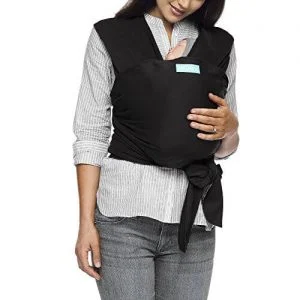
My experience throughout this Moby Baby Wrap Review has taught me that the most effective gear is often the simplest. The Moby Basics wrap succeeds because it doesn’t overcomplicate the physics of babywearing; it relies on high-quality, breathable fabric to distribute weight effectively. According to resources from the National Institutes of Health, skin-to-skin contact is crucial for infant development, and this wrap makes achieving that goal a seamless part of my daily routine.
- Exceptional Versatility for Growing Infants: I started using this wrap when my baby was only a few weeks old, and the way it adapts to their growth is impressive. By following proper babywearing safety guidelines, I have felt secure carrying my little one as they have moved from a tiny, fragile newborn to a more active, heavier infant, proving the 8-33lb rating is highly reliable.
- Unmatched Emotional and Physical Benefits: The closeness this wrap provides has been a lifesaver during colicky evenings or times when my baby just needed extra reassurance. It acts as a natural baby sleep aid by mimicking the environment of the womb, which allowed me to soothe my child far more effectively than I could have with a rigid, structured carrier.
Navigating the Trade-offs: Is It Right for You?
While writing this Moby Baby Wrap Review, I wanted to be as transparent as possible about the learning curve. If you are a first-time parent, the thought of yards of fabric can be intimidating, and it took me a solid week of practice to feel like I could “tie it and go” without mirror assistance. However, once you master the “pocket” technique, it becomes muscle memory. It is important to remember that consistent practice is the only way to ensure the wrap remains tight enough to keep the baby in an upright, ergonomic position, as noted by HealthyChildren.org.
Final Recommendations for Prospective Buyers
To conclude this Moby Baby Wrap Review, I highly recommend this product for parents who value a hands-free lifestyle and want to prioritize bonding without the bulk of heavy buckles. If you are deciding whether to purchase, consider these final points based on my personal testing:
- Prioritize Fabric Quality: The cotton blend used in the Moby Basics is uniquely soft, which is essential when the fabric is pressed directly against your baby’s sensitive skin. It holds its shape well after repeated washings, which is a major win for parents dealing with inevitable spit-up or messes.
- Evaluate Your Lifestyle Needs: This wrap is perfect for around-the-house tasks or leisurely walks, though I found that for heavy-duty hiking, a more structured carrier might be better. For the vast majority of parents—especially those in the “fourth trimester”—the Moby provides exactly the support and ease required.
- The Value Proposition: When you look at the price point compared to high-end, boutique wraps, the Moby Basics offers the same developmental benefits at a fraction of the cost. It is an incredibly accessible entry point into the world of wraps, making it a staple item for any new parent’s registry.
Ultimately, my Moby Baby Wrap Review concludes with a strong recommendation. It turned my experience with a fussy newborn into a manageable, connected, and peaceful phase of my life. It is not just a carrier; it is a way to bridge the gap between your needs as a person and your baby’s need for constant, warm contact.