
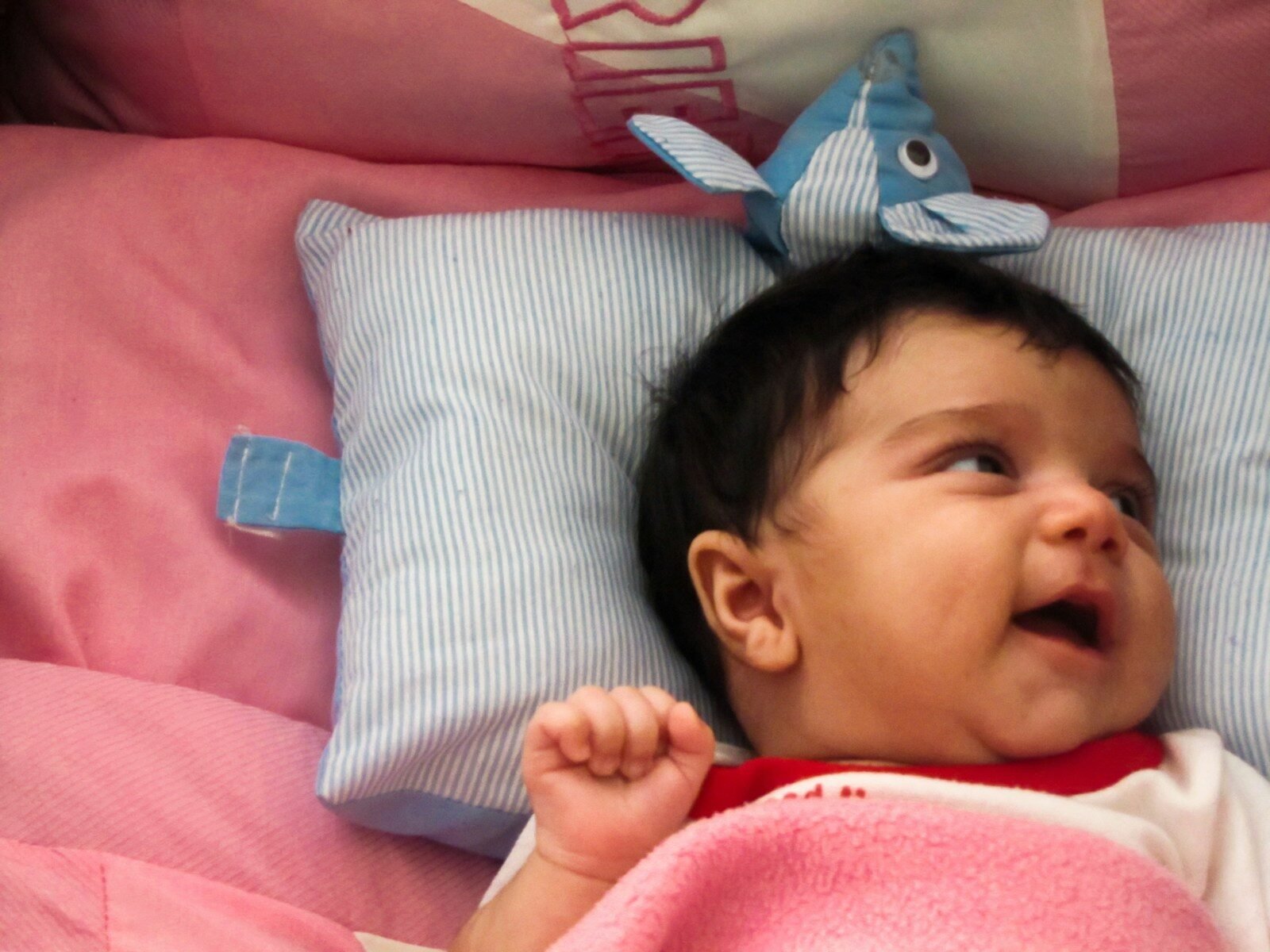
For many parents navigating the challenges of infant care, finding the best noise color for baby sleep is often a turning point in achieving consistent rest. While silence might seem like the ideal environment for a nursery, infants are accustomed to the dynamic, rhythmic soundscape of the womb. Introducing a controlled sound environment can act as a bridge, helping them transition into a deeper, more restorative slumber.
Why Sound Profiles Matter
Not all background sounds are created equal. Scientific studies, such as those discussed in research on acoustic environments, suggest that consistent sound helps mask sudden household noises—like a creaking floorboard or a barking dog—that might otherwise trigger a startle reflex and wake a sleeping infant.
When selecting the right audio, parents should consider:
- Consistency: The sound should be constant rather than erratic.
- Frequency: Different “colors” of noise provide varying levels of immersion.
- Volume: Safety remains the priority, adhering to guidelines provided by organizations like the American Academy of Pediatrics.
Navigating Your Options
Choosing between white, pink, or brown noise depends entirely on the baby’s personal sensitivity. Some infants find high-pitched white noise soothing, while others prefer the lower, grounding hum of brown noise. To help parents navigate these choices, experts recommend reviewing effective sound machine solutions for peaceful nights to ensure the chosen device meets both developmental and environmental needs.
Ultimately, the goal is to create a predictable “sonic cocoon.” By identifying the best noise color for baby sleep, caregivers can foster a more reliable sleep schedule, allowing the infant—and the parents—to experience more frequent, undisturbed rest.
Key Takeaways
Navigating the world of infant sleep aids can be overwhelming for new parents, but understanding the acoustic environment is a game-changer. Determining the best noise color for baby sleep depends largely on an individual infant’s sensitivity to pitch and frequency, as well as the specific ambient disruptions in the home.
- White noise is the standard: It provides a consistent “hiss” that is highly effective at masking sudden, startling household noises.
- Color variations matter: While white noise covers high frequencies, pink noise offers a balanced, natural tone often described as “deeper,” and brown noise provides a low-frequency rumble that can be soothing for fussy infants.
- Safety is paramount: Experts generally recommend keeping sound machines at or below 50 decibels to protect delicate developing ears, a standard supported by the American Academy of Pediatrics.
- Consistency is key: Creating a reliable sleep association helps signal to the baby that it is time to wind down, making the best noise for baby sleep a vital component of a successful bedtime routine.
Quick Reference Guide for Parents
To optimize your nursery environment, keep these research-backed guidelines in mind:
- Placement: Always position the sound machine at least 7 feet away from the crib to maintain safe decibel levels for the infant.
- Duration: It is generally considered safe to play background sound all night, provided the volume is kept low and consistent, as documented in studies found via PubMed Central.
- Flexibility: Don’t be afraid to experiment; if one frequency does not improve sleep quality, another may prove to be the best noise color for baby sleep for your specific child.
- Transitioning: Sound machines are helpful tools, but parents should remember they are habits that can eventually be phased out once the child matures and sleep cycles stabilize.
The Science of Sound and Infant Sleep Cycles
Understanding the neurobiology of infant rest is essential for parents seeking the best noise color for baby sleep. During the first few months of life, infants spend a significant portion of their time in Rapid Eye Movement (REM) sleep, which is characterized by lighter, more easily interrupted cycles. Providing a consistent acoustic environment helps bridge these transitions, as noted in research surrounding infant neurodevelopment and sensory processing. When parents identify the right auditory stimulus, they can effectively stabilize these sleep stages and minimize the frequency of night wakings. For those looking to explore various effective tools, these noise solutions for peaceful nights provide a comprehensive starting point.
How Background Noise Mimics the Womb Environment
Contrary to popular belief, the womb is a surprisingly loud environment. A fetus is constantly exposed to the rhythmic whooshing of blood flow, the mother’s heartbeat, and digestive sounds, often reaching levels comparable to a vacuum cleaner or a busy office.
- Auditory Familiarity: This constant “crescendo” of sound becomes the baby’s baseline for comfort.
- The Comfort of Chaos: When a baby is born into a quiet house, the sudden absence of these familiar sounds can feel jarring, often leading to restlessness.
- Regulation: Constant background sound acts as a sensory tether, reminding the infant of the safety and containment of the womb. According to the American Academy of Pediatrics, creating a soothing environment is a cornerstone of pediatric sleep hygiene.
Managing Startle Reflexes with Constant Sound
Infants possess an involuntary reaction known as the Moro reflex, or “startle reflex.” This primitive response can cause a baby to flail their arms and legs in response to sudden changes in their surroundings, such as a dog barking, a door creaking, or a sudden change in lighting.
- Masking Sudden Stimuli: An effective sound machine creates an auditory blanket that masks unpredictable household noises, preventing them from triggering the startle reflex.
- Maintaining Sleep State: By smoothing out the “peaks” in sound levels, the machine ensures that the transition between sleep cycles is not interrupted by external acoustic spikes.
- Promoting Longer Bouts: When the startle reflex is kept at bay through continuous sound, infants are statistically more likely to maintain longer, unbroken periods of rest.
By consistently utilizing the best noise color for baby sleep, caregivers can create a predictable sensory environment that supports the natural rhythms of an infant’s developing brain.
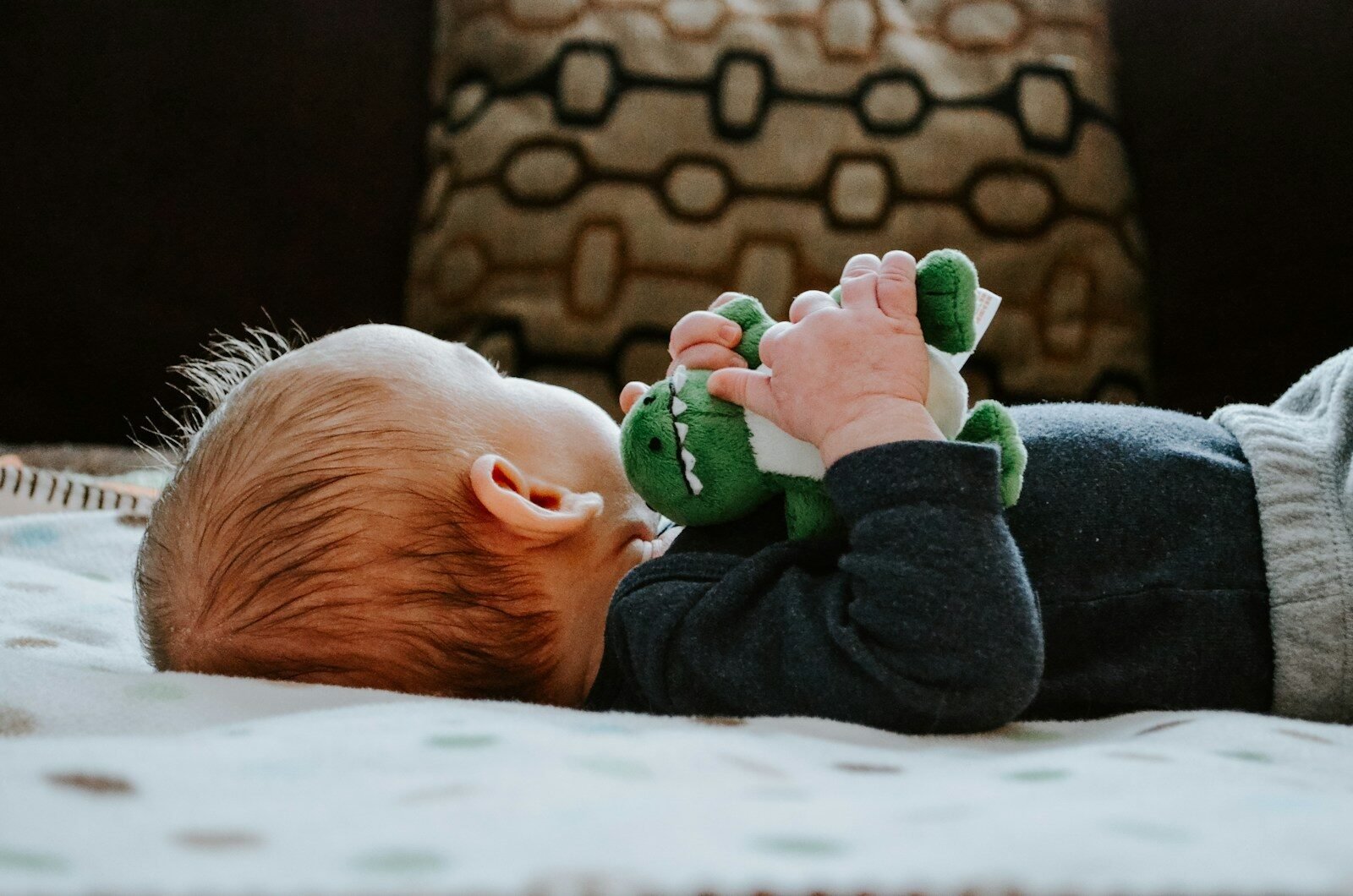
White Noise: The Gold Standard for Newborns
For decades, pediatricians and sleep consultants have identified white noise as the best noise color for baby sleep. Its consistent, static sound profile acts as a powerful auditory blanket, helping infants transition from the high-decibel environment of the womb to the relative quiet of a nursery. By providing a reliable sound buffer, white noise helps newborns settle faster and stay asleep longer by minimizing the impact of environmental stimuli. Finding the right sound solutions for peaceful nights is essential for parents looking to establish a healthy, long-term sleep foundation.
Characteristics of White Noise Frequencies
White noise is defined by its ability to spread energy across all audible frequencies at equal intensity. Because it covers such a broad spectrum, it is particularly effective at “filling” the acoustic environment.
- Broad Spectrum: Unlike other colors, white noise contains equal power per frequency, creating a consistent, static “shushing” sound.
- The “Blanket” Effect: Because it hits both high and low registers, it prevents sudden auditory spikes from startling an infant.
- Scientific Backing: Research published by the National Institutes of Health (NIH) suggests that consistent sound environments can significantly improve sleep onset in high-stress settings.
Benefits for Masking Household Disruptions
The primary utility of white noise lies in its capacity to act as a sound-masking agent. In a busy American household, the difference between a loud noise and the background ambient level is what typically triggers a “startle reflex” in a sleeping baby.
- Smoothing Out Transients: It flattens the “peaks” of household sounds—such as a door slamming, a dog barking, or a dishwasher cycle—making these sudden noises less jarring to a newborn’s sensitive nervous system.
- Constant Acoustic Stability: By providing a continuous, unchanging wall of sound, the brain stops trying to process or “listen” for new noises, allowing the baby to drift into deeper REM cycles.
- Optimal Sound Masking: This is why white noise is often cited as the best noise color for baby sleep in urban environments where traffic or neighborhood noise is unpredictable.
Parents should ensure that their sound setup adheres to recommendations from organizations like the American Academy of Pediatrics (AAP), which emphasizes the importance of avoiding excessive noise levels in the nursery to protect developing hearing. When used correctly, white noise remains the industry standard for creating an environment conducive to consistent rest.
Exploring Pink Noise: A Softer Alternative
While white noise is often the go-to choice for parents, many experts are now suggesting pink noise as a superior contender for the best noise color for baby sleep. Unlike the harsh, static-like frequencies of white noise, pink noise offers a more balanced, gentle audio profile that many infants find soothing. According to research published on PubMed, sound environments play a critical role in sleep onset and duration, making the choice of frequency essential for a restful night. If you are looking for effective sound solutions for peaceful nights, exploring pink noise could be the missing piece to your nursery setup.
Why Pink Noise Sounds More Natural
Pink noise is defined by its equal energy per octave, meaning the intensity of the sound decreases as the frequency increases. This results in a sound that mimics natural phenomena found in the environment.
- Natural Analogues: It sounds remarkably similar to the steady patter of rainfall, rustling leaves, or a gentle, consistent breeze.
- Reduced Auditory Fatigue: Because it lacks the high-pitched “hiss” found in white noise, it is often perceived as deeper and warmer by the human ear.
- Brain Wave Synchronization: Studies suggest that consistent, rhythmic, and lower-frequency sounds—like those found in the American Academy of Pediatrics’ sleep safety guidelines—may help promote deep sleep by aligning with the brain’s natural oscillations.
Comparing Pink vs. White Noise for Sensitivity
Choosing the best noise color for baby sleep often comes down to the individual infant’s sensory profile. Some babies are highly sensitive to sudden changes in their environment, while others might be more easily overstimulated by sharp sounds.
For infants who seem restless or startle easily at high-frequency sounds, pink noise provides a gentle background noise that is less intrusive. By utilizing a sound machine with adjustable settings, parents can experiment to see if their child settles more quickly when the auditory environment is softened, rather than masked by the intense static of traditional white noise.

Brown Noise: Deep Sounds for Deep Sleep
For parents searching for the best noise color for baby sleep, brown noise has emerged as a powerful tool for promoting rest. Unlike the static hiss of white noise, brown noise offers a deeper, more resonant profile that many infants find incredibly soothing. By providing a consistent, low-frequency blanket of sound, it helps settle the nervous system and creates a cocoon of comfort, often making it the preferred choice for parents dealing with babies who struggle to stay asleep. According to The Sleep Foundation, consistent background sound can significantly enhance sleep quality by minimizing the impact of abrupt environmental shifts.
The Low-Frequency Rumbly Nature of Brown Noise
Brown noise, sometimes referred to as “red noise,” is characterized by higher energy at lower frequencies. This creates a sound profile that mimics the steady, deep hum of a jet engine or a distant, crashing waterfall.
Key attributes of this frequency include:
- Reduced High-End Harshness: It lacks the “static” or “whistle” often found in white noise, which some babies may find too sharp.
- Bass-Heavy Texture: The lower vibrations are often felt as much as they are heard, providing a calming physical sensation.
- Natural Feel: It closely replicates the “wooshing” sound of blood flow heard inside the womb, offering a familiar environment for a newborn.
Research highlighted by The National Institutes of Health suggests that infants are particularly responsive to these types of low-frequency, repetitive sounds during their primary developmental stages.
When to Use Brown Noise for Fussy Babies
Deciding whether brown noise is the best noise color for baby sleep often depends on the temperament of the infant. While white noise is excellent for masking sharp, sudden household sounds—like a dog barking or a door slamming—brown noise is superior for calming an overtired baby or soothing those with colic.
Parents should consider transitioning to brown noise if:
- The baby is easily startled: The deeper bass helps “drown out” the room rather than just layering over it.
- The infant is prone to overstimulation: If high-pitched sounds seem to aggravate their fussiness, the softer, “rumbly” quality of brown noise provides a gentler auditory experience.
- A “deeper” sleep is needed: Because it mimics the womb environment more accurately than other colors, it is highly effective for transitioning a fussy baby into a deep, sustained sleep cycle.
By using a sound machine that allows for frequency adjustment, parents can determine exactly which sound profile leads to the most peaceful nights. Integrating these sounds as part of a consistent bedtime routine is one of the most effective ways to signal to a baby that it is finally time to rest.
Safety First: Decibel Limits for Nursery Use
Ensuring a safe auditory environment is just as important as selecting the best noise color for baby sleep. While sound machines are powerful tools for soothing infants, they must be used responsibly to protect developing ears. Parents and caregivers should prioritize volume management and device placement to create a sanctuary that promotes rest without risking hearing health. According to guidelines from the American Academy of Pediatrics, creating a sleep-safe environment includes minimizing potential risks, which extends to prolonged noise exposure.
Recommended Volume Levels for Infants
It is a common misconception that louder is always better when trying to mask household disruptions. Research suggests that excessive noise levels can lead to long-term hearing issues or hinder the development of auditory processing.
- The 50-Decibel Rule: Experts generally recommend keeping sound machines at or below 50 decibels (dB) in the nursery.
- Measurement: To ensure accuracy, parents can use a simple decibel meter app on their smartphone to gauge the ambient noise level at the baby’s ear height.
- The “Conversation” Test: If a caregiver cannot hear a normal conversation clearly from across the room while the machine is running, it is likely set too high.
- Gradual Reduction: As a baby ages, some experts suggest slowly lowering the volume to reduce sound dependency, ensuring they aren’t habituated to a high-decibel environment.
For further reading on how noise impacts early development, the National Institutes of Health offers extensive resources on pediatric health and environmental factors.
Placement Tips for Sound Machines
How and where a device is positioned can significantly impact the effective volume reaching the infant’s ears. Proper placement ensures the machine functions as intended while maintaining safety standards.
- Maintain Distance: Place the sound machine at least six to seven feet away from the baby’s crib or bassinet. This distance helps diffuse the sound, preventing it from being too intense.
- Point Away from the Crib: Orient the speaker of the device away from the baby, ideally toward a wall or a corner. This creates a softer, reflected sound rather than a direct beam of noise.
- Avoid High Surfaces: Do not place the machine on the crib railing or directly on the mattress. Keeping it on a separate piece of furniture, such as a dresser or a wall-mounted shelf, is the safest practice.
- Cable Safety: Always ensure that power cords are tucked away and secured, well out of reach of the crib, to eliminate any potential strangulation hazards.
By adhering to these strict volume and placement guidelines, parents can confidently utilize the best noise color for baby sleep to help their little one drift off into a peaceful, safe slumber.
Portable vs. Stationary Sound Solutions
Selecting the right equipment is a vital step in optimizing the sleep environment. Parents often wonder whether a travel-friendly device or a permanent nursery fixture will better provide the best noise color for baby sleep. While stationary machines offer robust features for a home environment, portable alternatives ensure that a child maintains their sleep associations regardless of their location, reducing the stress of overnight trips or naps on the go.
Choosing the Right Gear for Travel
When families are on the move, consistency remains the key to restorative rest. A portable sound machine should be lightweight, rechargeable, and easy to clip onto a stroller or car seat. Experts from the American Academy of Pediatrics emphasize that maintaining a consistent environment helps infants feel secure in new surroundings.
Consider these factors when selecting travel gear:
- Battery Life: Ensure the device can last through a full night or several nap cycles without requiring a charge.
- Mounting Capabilities: Look for clips or velcro straps that allow the machine to be attached safely to crib rails or stroller bars.
- Sound Quality: Opt for units that produce a continuous, high-fidelity loop, as digital interruptions can disrupt a baby’s sleep cycle.
- Size: Compact designs that fit easily into a diaper bag or carry-on are ideal for frequent travelers.
Features to Look for in Nursery Sound Machines
For a permanent nursery setup, stationary machines provide more versatility and longevity. Research published via PubMed indicates that controlled sound environments can significantly aid in soothing infants, provided the equipment is used correctly.
When shopping for the best noise color for baby sleep in a home nursery, focus on these essential features:
- Volume Control: The device must have a decibel limiter. As noted by CDC guidelines regarding noise exposure, keeping volume levels low and consistent is safer for developing ears.
- Diverse Sound Profiles: Advanced machines often include multiple options, allowing parents to test whether their child responds better to white, pink, or brown noise frequencies.
- Non-Looping Audio: Higher-end models use non-looping, continuous recordings to prevent the “gap” in sound that often startles a sleeping baby.
- Integrated Night Lights: Some stationary models offer a dim, warm-toned light, which serves a dual purpose for middle-of-the-night feedings without over-stimulating the infant.
- Smart Controls: Wi-Fi-enabled devices allow parents to adjust settings via a smartphone, meaning they can turn the volume down or change the sound frequency without entering the room and risking accidental wake-ups.
Integrating Sound Machines into Bedtime Routines
Consistency is the cornerstone of pediatric sleep hygiene. By incorporating a sound machine into the nightly ritual, parents can signal to the infant’s brain that it is time to transition from wakefulness to restorative rest. Choosing the best noise color for baby sleep is only half the battle; the key to success lies in how that sound is woven into the broader bedtime structure to provide a sense of security and predictability.
Establishing Consistent Sleep Associations
Sleep associations are environmental cues that help a baby fall asleep and—more importantly—stay asleep. When a sound machine is used consistently, the auditory environment becomes a powerful “cue” for rest.
- Trigger the Habit: Turn the machine on before beginning the final steps of the bedtime routine, such as reading a book or singing a lullaby. This primes the baby for sleep.
- Maintain the Environment: Use the same sound setting every night. If the infant responds best to pink noise, avoid switching frequencies, as familiarity is what builds the sleep association.
- The Power of Cues: According to research from Sleep Foundation, creating a stable sleep environment helps minimize night wakings.
- Auditory Consistency: The sound acts as a barrier, masking sudden household noises like creaking floorboards or voices that might otherwise trigger a sleep regression in sensitive infants.
How to Transition Away from Noise Machines Later
Many parents worry about sound dependency, but the reality is that transition strategies make weaning off a machine relatively simple. As a child grows, they may naturally become less sensitive to external disturbances.
- Gradual Volume Reduction: Once a child reaches toddlerhood or a developmental milestone where they are sleeping more soundly, begin lowering the volume by a small increment every few nights.
- Increased Latency: Instead of running the machine all night, use a timer to have it turn off after the child has entered a deep sleep phase.
- Fading Method: If the child relies heavily on the sound, introduce a “bridge” sound—such as a fan or a softer ambient track—to replace the machine before eventually removing it altogether.
- Developmental Readiness: Consult guidelines from the American Academy of Pediatrics (AAP) regarding safe sleep environments to ensure that any transitions align with the child’s overall developmental progress and safety needs.
By maintaining this structured approach, the best noise color for baby sleep becomes a temporary, helpful tool rather than a permanent crutch, allowing the child to eventually transition into independent sleep with confidence.
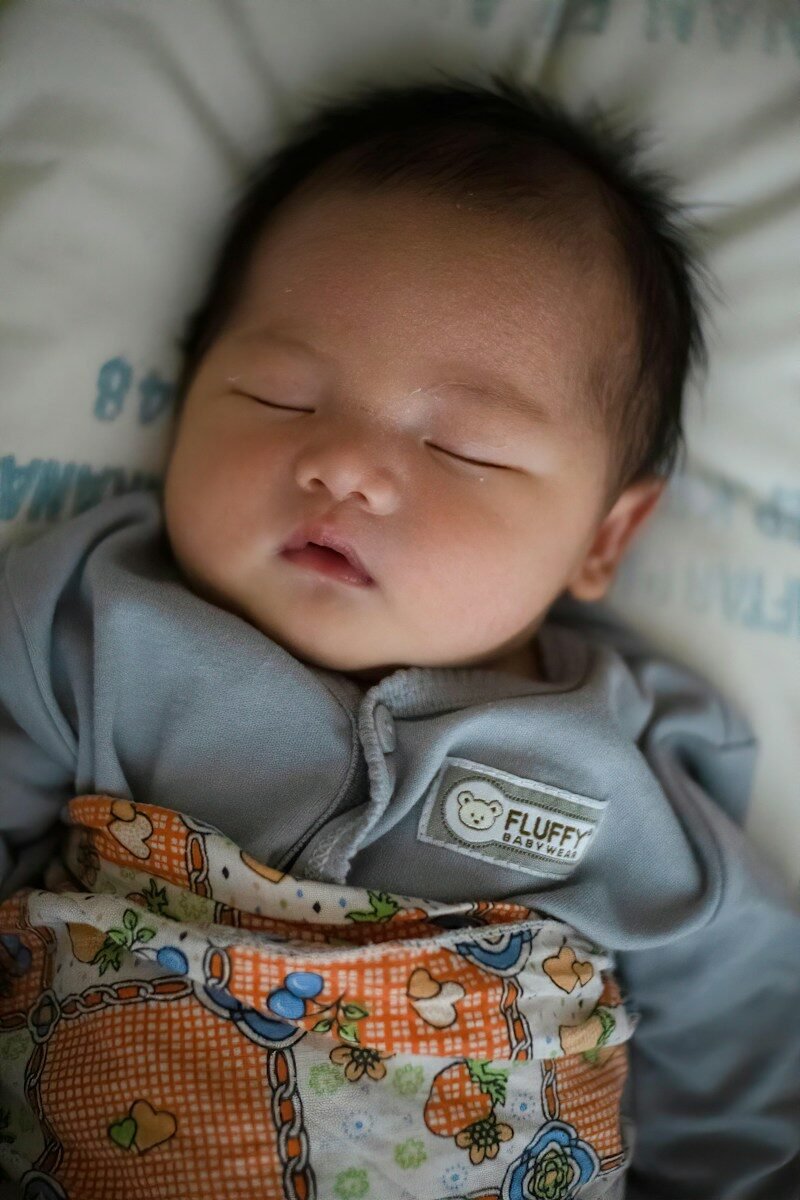
Common Myths About Baby Sleep Environments
When parents are searching for the best noise color for baby sleep, they often encounter conflicting advice regarding the nursery atmosphere. Many myths persist about how infants should sleep, leading to unnecessary stress for caregivers. By distinguishing fact from fiction, parents can create a soothing environment that fosters healthy sleep patterns for their little ones.
Debunking Silence as the Ideal Sleep State
A common misconception is that a baby requires total silence to fall and stay asleep. In reality, absolute quiet can make an infant more sensitive to minor household disturbances.
- Sudden Contrast: When a house is completely silent, the slightest sound—a floorboard creaking or a dog barking—becomes a jarring interruption.
- The Womb Context: Research published by the National Institutes of Health suggests that infants are accustomed to a constant stream of rhythmic noise, which was their reality in utero.
- Consistency is Key: Using a sound machine provides a continuous auditory blanket, masking abrupt noises and preventing the infant from startling awake.
Rather than chasing “perfect silence,” providing a consistent background frequency is often the superior strategy for those seeking the best noise color for baby sleep.
Addressing Concerns About Sound Dependency
Many parents worry that using a sound machine will create an unbreakable sleep crutch. However, experts generally view this as a manageable “sleep association” rather than a negative dependency.
- Positive Association: Much like a swaddle or a bedtime story, sound machines act as a Pavlovian cue that signals to the infant that it is time for rest.
- Gradual Fading: According to guidelines from the American Academy of Pediatrics, creating healthy sleep habits is more important than avoiding tools that support those habits. If parents wish to stop using a machine later, they can simply lower the volume incrementally over several weeks.
- Environmental Masking: Using white or pink noise is often a necessity in busy American households where ambient street noise or siblings can disrupt naps.
For many families, the perceived “dependency” on sound is actually a helpful tool for sleep hygiene, which allows the baby to achieve deeper, more restorative cycles regardless of the external environment.
Frequently Asked Questions
Selecting the best noise color for baby sleep can often lead to questions regarding safety, efficacy, and long-term usage. Understanding how sound influences an infant’s rest is essential for parents looking to create a calming nursery environment. Below are common inquiries answered to help clarify the role of acoustic tools in your baby’s bedtime routine.
At what age should I start using a sound machine?
Parents can introduce a sound machine from the day the newborn arrives home. In fact, many experts suggest that using sound early helps babies transition from the womb to the nursery.
- Newborns: Constant sound can provide a sense of security immediately.
- Consistency: Starting early builds a strong sleep association that helps signal to the baby that it is time to wind down.
Is it safe to play noise all night long?
Yes, it is generally considered safe to use sound machines throughout the night, provided they are used correctly. According to research on infant hearing development, the key factor is volume control rather than the duration of the sound.
- Duration: Continuous play is acceptable and often preferred to prevent mid-cycle wake-ups.
- Regulation: Ensure the machine is not set at a volume that could potentially harm the child’s developing auditory system.
Can a fan be used instead of a professional machine?
A household fan can function as a source of white noise, but it lacks the consistency and spectrum control of a dedicated device.
- Pros: It provides a steady, natural hum.
- Cons: Fans can be unpredictable, often lack adjustable tone settings, and pose safety concerns if the cord is accessible.
- Recommendation: A dedicated sound machine is often better for identifying the best noise color for baby sleep because it allows parents to adjust the specific frequency profile rather than relying on the mechanical hum of a fan. For more insights on environmental factors, visit HealthyChildren.org.
Which noise color is best for babies with colic?
Many caregivers find that brown noise is highly effective for infants who are particularly fussy or dealing with colic.
- The Appeal of Brown Noise: Because it is deeper and more “rumbly,” it mimics the low-frequency sounds of the womb more closely than high-pitched white noise.
- Calming Effect: This deeper sound profile can be less stimulating and more grounding for a nervous system that is already overtaxed, helping the infant reach a state of calm more quickly.
Conclusion: Choosing the Best Noise Color for Baby Sleep
Selecting the best noise color for baby sleep is a personal journey that depends largely on an infant’s specific sensitivity and the surrounding nursery environment. While there is no single “magic” frequency that works for every child, understanding the unique characteristics of white, pink, and brown noise empowers parents to curate a restful sanctuary. By prioritizing safety and consistency, caregivers can successfully implement sound therapy to support healthy development.
Summary of Sound Options
To summarize the primary noise profiles available for infant sleep:
- White Noise: The top choice for masking sudden household disruptions due to its high-frequency consistency.
- Pink Noise: Ideal for babies who prefer a softer, more balanced sound that mimics nature.
- Brown Noise: Highly effective for deep relaxation and soothing babies with a low-frequency, rumbly tone.
Key Considerations for Success
When determining the best noise color for baby sleep, keep these best practices in mind to ensure optimal results:
- Prioritize Safety: Always adhere to established infant hearing protection guidelines, keeping volume levels below 50 decibels.
- Distance Matters: Place sound machines at least seven feet away from the crib to minimize sound intensity while maintaining a consistent background hum.
- Routine Consistency: Use sound as a primary sleep association signal, ensuring the machine is turned on before the child enters their crib to cue that rest time has begun.
- Monitor Sensitivities: If a baby appears restless, consider testing different frequencies, as some infants show a preference for deeper sounds, which is supported by some pediatric sleep research.
Addressing Sound Dependency
While parents may worry about long-term reliance on sound machines, it is helpful to view them as a temporary bridge during the developmental stages of infancy. Most children easily transition away from sound devices as they grow older and their sleep cycles stabilize.
Ultimately, the goal is to create a soothing, predictable environment that minimizes the “startle reflex.” By focusing on a safe decibel level and finding the tone that encourages the longest stretches of rest, parents can provide their child with the foundational support needed for consistent, restorative sleep. For more information on creating safe sleep environments, consult the National Institute of Child Health and Human Development.
