
Transitioning your baby from a car seat to a stroller seat is a key milestone for parents. Most babies can safely use a stroller without a car seat around 6 months of age, but it depends on individual development like head control and sitting ability. Always follow manufacturer guidelines and prioritize safety for enjoyable strolls.
Key Takeaways
- Developmental Readiness Over Age: While age is a guideline, your baby’s head control, sitting stability, and muscle strength are more critical for safe stroller use without a car seat.
- Head and Neck Control is Essential: Your baby must hold their head up steadily to prevent airway obstruction and ensure comfort in a stroller seat.
- Follow Manufacturer Instructions: Always check your stroller manual for weight, age, and height limits to avoid safety risks and warranty issues.
- Use a Five-Point Harness: Secure your baby properly with a five-point harness in the stroller to prevent falls or slips during movement.
- Adjust Stroller Recline for Support: Start with a fully reclined seat and gradually adjust to upright as your baby gains strength, ensuring proper back and head support.
- Monitor Baby’s Comfort and Cues: Watch for signs of distress or slouching during stroller rides, and keep initial sessions short to build tolerance.
- Avoid Loose Items and Hazards: Remove loose blankets, toys, or pillows from the stroller to reduce suffocation or entanglement risks during use.
Introduction: Understanding the Transition to Stroller Seat
As a parent, you might wonder when your baby can use a stroller without a car seat safely. This transition is a big step toward more independent outings. It’s not just about age; it’s about your baby’s growth and readiness. In this guide, you’ll learn key milestones, safety checks, and practical tips. We’ll cover everything from head control to stroller settings. By the end, you’ll feel confident knowing when can baby use stroller without car seat for happy, secure adventures.
Why Timing Matters: Safety First in Stroller Use
Moving your baby from a car seat to a stroller seat too early can pose risks. Newborns lack muscle strength, which can lead to slouching or breathing issues. Strollers without car seats are designed for babies who can sit with support. Safety is paramount. The right timing ensures your baby’s spine and airways are protected. This guide helps you make informed decisions. You’ll avoid common mistakes and ensure smooth rides. Remember, every baby develops at their own pace. Patience and observation are key.
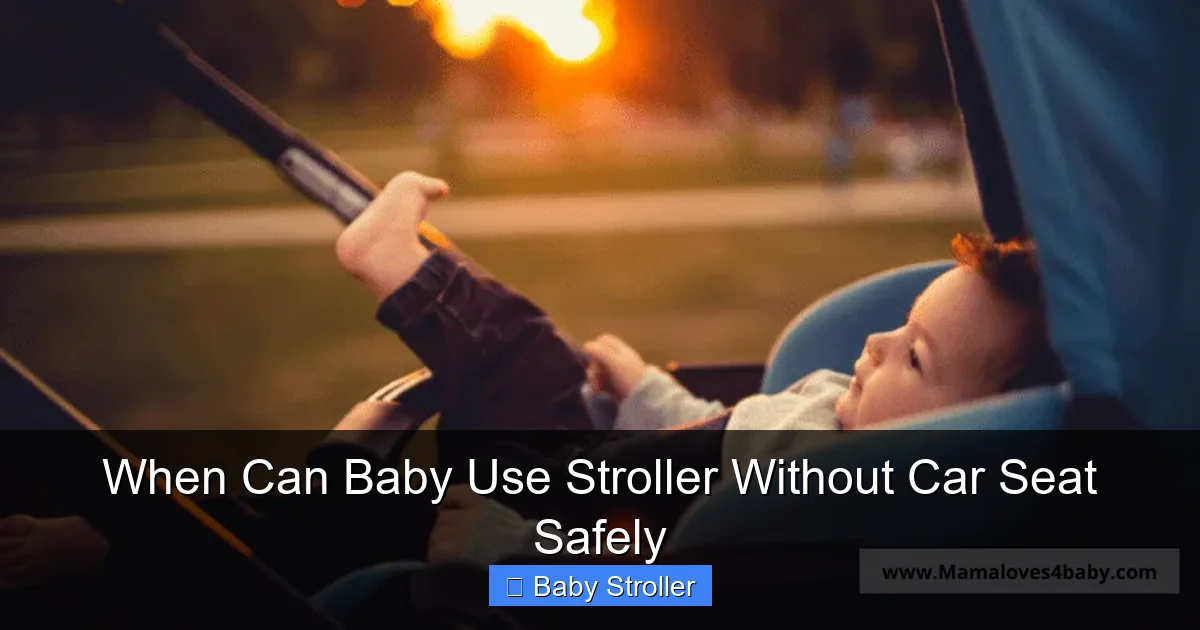
Visual guide about When Can Baby Use Stroller Without Car Seat Safely
Image source: mamaloves4baby.com
Key Developmental Milestones for Stroller Use
Before asking when can baby use stroller without car seat, check these milestones. They show your baby is ready for the change.

Visual guide about When Can Baby Use Stroller Without Car Seat Safely
Image source: mamaloves4baby.com
Head and Neck Control
Your baby must hold their head up steadily. This usually starts around 3-4 months. Test it during tummy time. If your baby lifts their head without wobbling, it’s a good sign. Head control prevents the head from flopping in the stroller. It reduces choking hazards. Always ensure your baby can maintain this for several minutes. If not, wait a bit longer. This is the most critical milestone for safety.
Sitting Up Independently
Your baby should sit with minimal support. This often happens by 6 months. Try sitting your baby on a flat surface. If they stay upright with hands on the floor, they’re getting there. Stroller seats require some sitting ability. They offer recline but aren’t as snug as car seats. Good sitting skill means better balance. It also means your baby can enjoy the view. Never rush this step. Practice indoors first.
Weight and Height Considerations
Check your stroller’s manual. Most strollers need babies to be at least 15 pounds or 26 inches tall. Weight ensures the harness fits well. Height prevents your baby from being too cramped. Measure your baby regularly. If they meet these limits, it’s a green light. But combine this with developmental signs. A heavy baby without head control isn’t ready. Always prioritize muscle strength over size.
Step-by-Step Guide to Transitioning Safely
Follow these steps to know when can baby use stroller without car seat without guesswork. Take it slow and stay attentive.
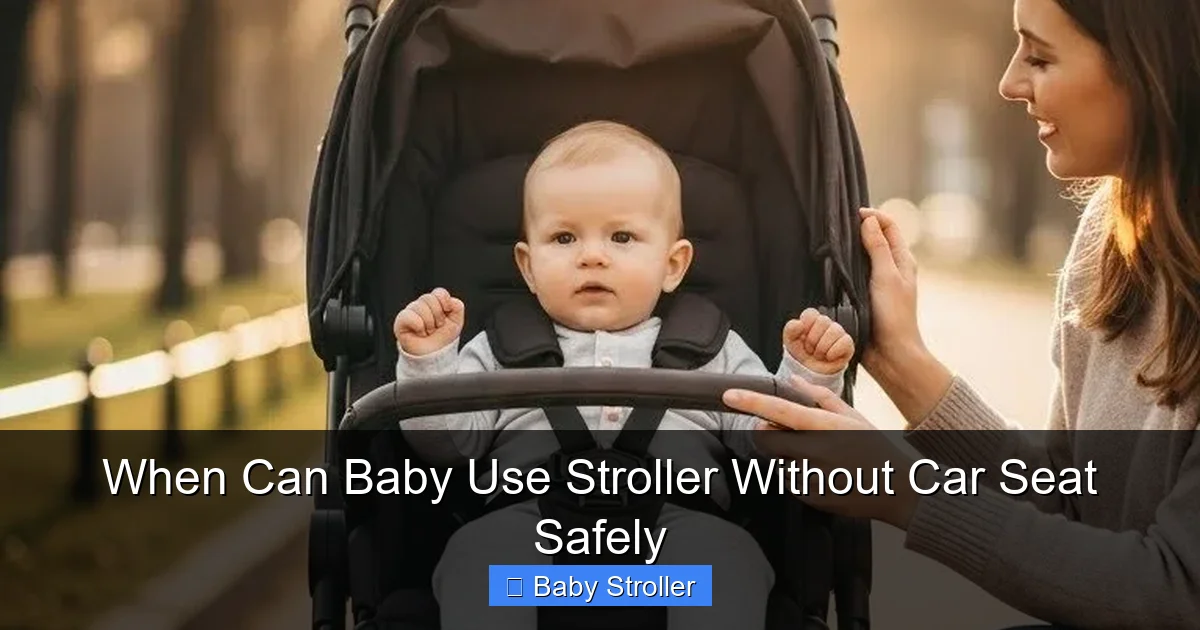
Visual guide about When Can Baby Use Stroller Without Car Seat Safely
Image source: carxplorer.com
Step 1: Assess Baby’s Age and Development
Start around 5-6 months. Note your baby’s progress. Can they hold their head up during play? Do they sit with support? Keep a diary. If you’re unsure, consult your pediatrician. They can confirm readiness. Don’t rely on age alone. Some babies are ready earlier, some later. Use age as a rough guide. Focus on the milestones we discussed. This step sets a safe foundation.
Step 2: Consult Your Stroller Manual
Every stroller is different. Grab your manual. Look for the “without car seat” section. Find weight, age, and height limits. Some strollers allow use from birth with full recline. Others need 6 months. Follow these rules strictly. They’re tested for safety. If you lost the manual, search online using the model number. This prevents accidents and voids warranty issues. It’s a simple but crucial step.
Step 3: Start with Short, Supervised Sessions
Begin indoors or in a safe park. Place your baby in the stroller seat for 5-10 minutes. Stay close. Watch for slouching or fussiness. If your baby seems happy, gradually increase time. Use a fully reclined seat first. This gives extra support. Over weeks, adjust to a more upright position. Short sessions build tolerance. They also help you spot problems early. Never leave your baby unattended. This practice ensures comfort.
Step 4: Ensure Proper Harness Use
Always use the stroller’s five-point harness. Secure the shoulders, waist, and crotch straps. Check for snugness. You should fit two fingers between the straps and your baby. Tighten any loose parts. The harness keeps your baby safe on bumpy paths. It prevents climbing out. Make it a habit before every stroll. If your stroller has a three-point harness, consider upgrading for better security. Proper use is non-negotiable.
Step 5: Adjust Stroller Settings for Comfort
Set the seat recline to match your baby’s strength. For beginners, use the maximum recline. As your baby sits better, move to a semi-recline. Finally, go upright. Adjust the footrest for leg support. Use the canopy for shade. Add a small, firm pillow if needed, but avoid soft bedding. These tweaks make rides enjoyable. They also reduce strain on your baby’s back. Test settings at home before going out.
Practical Tips for Safe Stroller Use Without Car Seat
Beyond basics, these tips ensure smooth sailing. They’re based on real parent experiences.
First, dress your baby in snug clothes. Avoid bulky coats that compress in harnesses. Use layers for warmth. Second, check the stroller brakes before each use. Engage them when stationary. Third, keep the stroller basket light. Heavy loads can tip it. Fourth, avoid rough terrain initially. Stick to smooth sidewalks. Fifth, monitor weather. Don’t stroll in extreme heat or cold. Your baby is more exposed without a car seat. Sixth, engage your baby with toys attached to the stroller. This prevents boredom. Seventh, clean the stroller regularly. Crumbs and dirt can cause discomfort. These small acts boost safety.
For example, if you’re wondering when can baby use stroller without car seat on a trip, plan ahead. Bring a portable stroller with good recline. Practice at home first. Always prioritize your baby’s cues. If they cry or arch their back, take a break. Flexibility is key.
Troubleshooting Common Concerns
Parents often face these issues. Here’s how to solve them.
What If My Baby Slouches in the Stroller?
Slouching means your baby isn’t ready. Return to a car seat or use full recline. Strengthen core muscles with tummy time. Wait a few weeks before trying again. Never prop your baby with rolled blankets. This can be unsafe. Instead, ensure the harness is tight and the seat is reclined. Consult a doctor if slouching persists.
What If My Baby Cries in the Stroller Seat?
Crying could signal discomfort or fear. Check the harness fit. Adjust the recline. Offer a pacifier or comfort toy. Start with shorter sessions. Walk slowly and talk to your baby. If crying continues, pause the transition. Your baby might need more time in the car seat. It’s okay to go back and forth. Patience reduces stress for both of you.
What If My Stroller Doesn’t Recline Enough?
Some strollers have limited recline. In that case, wait until your baby sits very well. Consider a stroller with multiple recline positions. You can also use a car seat longer. Never modify the stroller yourself. It voids safety standards. Research strollers designed for younger babies if needed. This avoids compromise.
Conclusion: Enjoying Strolls with Confidence
Knowing when can baby use stroller without car seat safely empowers you as a parent. It’s a blend of developmental signs, manufacturer rules, and practical steps. Start by assessing head control and sitting skills. Follow our step-by-step guide. Use the tips and troubleshooting advice. Always put safety first. This transition marks a fun new chapter. You and your baby can explore the world together. Trust your instincts and enjoy every stroll. With this knowledge, you’re ready for safe, joyful outings.
🎥 Related Video: Use the Doona Car Seat and Stroller with or without a base!
📺 Doona™ – Parenting Made Simple
Mom life has never been as easy! With one click the Doona transforms from car seat to stroller – keeps your baby safe, and keeps …
