
For many new parents in the United States, the quest for a full night of rest begins the moment they bring their newborn home. A common question echoing in nurseries across the country is when to start using sound machine for baby to improve sleep quality. The good news is that parents can introduce these devices from the very first day, as they offer a familiar, soothing environment that eases the transition from the womb to the outside world.
Establishing a newborn sleep routine early on is essential for both the infant’s development and parental well-being. Using sound aids consistently can help infants settle faster and remain asleep despite the inevitable ambient noises of a busy household.
Why Timing Matters
According to the American Academy of Pediatrics (AAP), creating a safe and conducive sleep environment is a top priority for preventing sleep-related infant deaths. Experts suggest that integrating a sound machine early serves two primary purposes:
- Environmental Stability: It creates a consistent “soundscape,” which helps the baby associate the noise with sleep.
- Acoustic Masking: It effectively drowns out sudden noises like doorbell rings, pets, or older siblings that might otherwise startle a sleeping infant.
Key Considerations for Early Use
When deciding when to start using sound machine for baby, keep these professional guidelines in mind:
- Start Early: There is no “waiting period” required; sound machines are safe for newborns when used at appropriate volumes.
- Maintain Consistency: Using the device for every nap and nighttime session helps the baby build a stronger sleep association.
- Prioritize Safety: Research published in PubMed Central (NIH) emphasizes that high-volume noise exposure can be damaging to infant hearing, so volume control is critical.
By utilizing these tools correctly, parents can create a peaceful nursery atmosphere, potentially reducing the stress associated with sleep training during those challenging first months.
Key Takeaways
Navigating the nuances of infant sleep can be challenging, but understanding when to start using sound machine for baby can significantly improve rest for the entire family. By creating a consistent auditory environment, parents can help their little ones fall asleep faster and stay asleep longer.
Here are the essential points to consider when integrating a sound machine into a newborn’s routine:
- Ideal Timing: You can begin using a white noise machine from the very first night you bring your baby home. Starting early helps establish a predictable sleep association that signals it is time for rest.
- Safety First: According to the American Academy of Pediatrics (AAP), creating a safe sleep environment is paramount. Always keep sound machines at least seven feet away from the crib to protect sensitive infant ears.
- Volume Limits: Experts generally recommend keeping volume levels below 50 decibels—roughly equivalent to the sound of a quiet conversation or a gentle rain shower—to prevent potential hearing damage during prolonged exposure.
- Consistent Use: A sound machine is most effective when it runs throughout the entire duration of the nap or nighttime sleep cycle, effectively masking sudden noises like doorbells or barking dogs.
- Product Selection: Finding the right device is crucial for consistency. You can explore a variety of top-rated newborn sound machines to find features that best suit your nursery setup.
- Long-Term Strategy: While these devices are helpful, parents should monitor for sleep dependency as the child grows, eventually phasing them out as the toddler matures and becomes less sensitive to environmental noise.
For further reading on the physiological impacts of white noise on infant sleep patterns, you can review research available through PubMed, which offers various studies on auditory stimulation and neonatal development. By following these guidelines, parents can ensure they are using sound technology as a helpful, safe tool for their baby’s development.
Understanding the Benefits of White Noise
Many parents wonder when to start using sound machine for baby sleep routines to improve overall rest quality. Integrating a consistent sound environment from the first days at home can significantly impact a newborn’s ability to settle, as white noise acts as a powerful tool for soothing an overstimulated nervous system. According to the American Academy of Pediatrics, creating a safe and conducive sleep space is fundamental for infant health and development. Utilizing the best newborn sound machine options can provide that essential layer of comfort.
Mimicking the Womb Environment
The primary reason parents look into when to start using sound machine for baby care is to replicate the acoustic experience of the prenatal environment.
- The Auditory Experience: Inside the womb, a fetus is constantly exposed to the rhythmic “whooshing” sound of the mother’s blood flow and heartbeat.
- A Familiar Comfort: This high-decibel environment is actually quite loud, meaning infants often find silence unsettling rather than soothing.
- Soothing Response: By providing a similar continuous, low-frequency hum, a sound machine helps trigger a biological “calm” response, making it easier for the baby to transition to the outside world.
Masking Disruptive Household Sounds
Even in quiet households, sudden noises—such as a doorbell, a barking dog, or floorboards creaking—can startle a sleeping infant. Research published via National Institutes of Health suggests that consistent auditory environments help improve sleep duration.
- Sound Masking: White noise creates a “sound blanket” that raises the ambient floor level of the room. This makes sudden, sharp noises less jarring.
- Consistent Sleep Cycles: By smoothing out the acoustic landscape, the baby is less likely to fully wake up when a sudden sound occurs, allowing them to cycle back into deep sleep more effectively.
- Reduced Stress: A steady background sound reduces the likelihood of the infant startle reflex being triggered, leading to longer, more restorative naps and nighttime rest.
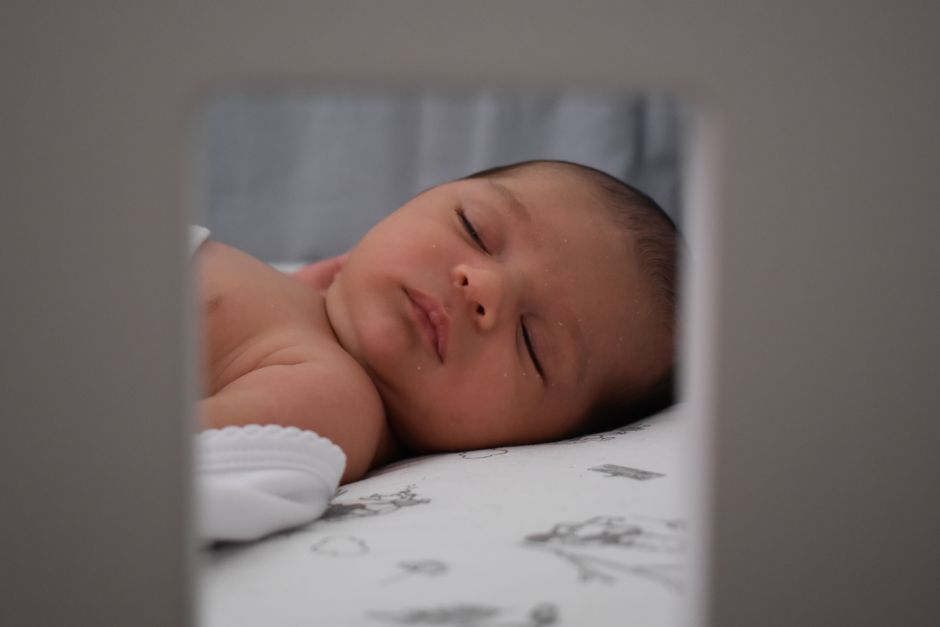
Setting Up Your Baby’s Sleep Environment
Creating a nursery sanctuary is a top priority for parents once they decide when to start using sound machine for baby. A well-optimized sleep space helps regulate an infant’s circadian rhythm and minimizes the impact of sudden environmental disruptions. Parents often search for the best newborn sound machine options to ensure their little one remains undisturbed during crucial developmental naps.
Optimal Distance and Volume Levels
To protect a baby’s developing ears, sound machine placement and volume settings are critical. According to recommendations from the American Academy of Pediatrics (AAP), environmental noise should be carefully managed in the nursery.
- Distance: Place the sound machine at least six feet (about 2 meters) away from the crib. Never place the device directly inside the crib or immediately next to the infant’s head.
- Volume Threshold: Keep the sound level at or below 50 decibels. This is roughly equivalent to the ambient noise level of a quiet office or a gentle rain shower.
- Measurement: Parents can use a decibel meter app on their smartphones to ensure the output remains within safe, non-damaging limits.
Choosing Between Fan, White Noise, and Lullaby
Selecting the right sound profile is a matter of personal preference and child temperament. Research published via the National Institutes of Health (NIH) suggests that consistent, low-frequency sound is often most effective for soothing.
- White Noise: This is the “gold standard” for sleep. It contains all frequencies at equal intensity, effectively masking inconsistent household noises like doorbells, barking dogs, or television sounds.
- Fan/Pink Noise: Often described as “softer” than white noise, these sounds contain more low-frequency energy. Many infants find the hum of a fan more natural and less “harsh” than traditional white noise.
- Lullabies: While melodic and comforting, some experts advise caution. Lullabies with varying tempos or pitch changes can sometimes distract an infant rather than lull them into a deep sleep state.
Pro-Tip: If the goal is consistent sleep hygiene, it is usually best to stick to one sound profile rather than switching between a fan, lullaby, or static noise to prevent the baby from associating a specific sound with active play time.
Safety Guidelines for Sound Machines
While parents often research when to start using sound machine for baby to improve sleep quality, ensuring these devices are used safely is just as critical as the timing. Proper usage prevents long-term health risks and environmental hazards, allowing the nursery to remain a sanctuary for rest rather than a source of concern. By adhering to established safety standards, parents can effectively manage the recommended decibel level to protect their infant’s developing auditory system.
Preventing Hearing Damage
The most significant concern regarding sound machines is the potential for noise-induced hearing loss. According to the American Academy of Pediatrics (AAP), exposure to constant, high-decibel noise can interfere with normal auditory development.
To mitigate risks, parents should follow these safety protocols:
- Follow the 50-decibel rule: Keep the volume no louder than a soft whisper or a quiet library environment.
- Use a Decibel Meter: Use a smartphone app or a dedicated decibel meter to ensure the output remains within a safe range.
- Constant vs. Dynamic: Avoid machines that produce harsh, high-pitched frequencies; opt for softer “pink” or “brown” noise profiles.
- Consult Research: Review findings from PubMed Central regarding the impact of environmental noise on infants to stay informed on current medical consensus.
Placement and Cord Safety
Where the device is situated in the nursery is just as important as its volume. If a parent is still weighing when to start using sound machine for baby, they should simultaneously plan the nursery layout to accommodate the equipment safely.
- Distance Matters: Place the sound machine at least seven feet (approximately two meters) away from the baby’s crib. This distance helps ensure the sound intensity reaching the infant’s ears is significantly lower than the output at the source.
- Cord Management: Electrical cords are significant strangulation hazards. Always ensure the cord is secured out of reach, tucked behind furniture, or safely managed using cord covers so the infant cannot grab it.
- Stable Surfaces: Ensure the machine is placed on a flat, stable surface where it cannot be knocked over or fall into the crib.
- Equipment Quality: When selecting your device, prioritize units that are specifically designed for infants. You can find a list of top-rated infant-safe sound machines to ensure you are using products that meet modern safety standards.

Sleep Training and Sound Machines
For parents wondering when to start using sound machine for baby, the answer is often tied to the beginning of a consistent sleep routine. Sound machines play a pivotal role in sleep hygiene by signaling to an infant that it is time to transition from wakefulness to rest. By integrating auditory cues early on, caregivers can establish a predictable environment that makes sleep training more manageable as the baby grows. If you are looking for the right tools to assist with this, check out these top-rated newborn sound machine options to facilitate better nursery nights.
Creating Consistent Bedtime Cues
Consistency is the cornerstone of effective sleep training. Sound machines act as a Pavlovian trigger, signaling the brain that it is time to wind down.
- Establish a Routine: Turn the sound machine on before the start of the final bedtime ritual, such as a bath or reading a book.
- Maintain Stability: Keep the machine running throughout the entire nap or overnight sleep period to prevent the baby from startling awake when the silence shifts.
- Environmental Stability: According to the National Institutes of Health (NIH), maintaining a consistent and calm environment is essential for developmental health, and white noise helps sustain this by bridging the gap between sleep cycles.
- Cue Association: Over time, the sound becomes a sensory anchor that helps the baby self-soothe even during minor transitions between sleep stages.
Transitioning Away from Sound Machines Later
While sound machines are excellent for infants, many parents eventually wonder how to stop using them. The process should be gradual to avoid disrupting established sleep patterns.
- Lower the Volume: Slowly decrease the decibel level of the machine over the course of several weeks.
- Introduce Fading: Some parents prefer to move the machine further away from the crib every few nights until it is eventually outside the room.
- Use a Timer: Utilize devices with automatic shut-off timers once the child reaches an age where they are less sensitive to environmental noise.
- Gradual Withdrawal: Consult resources from organizations like the American Academy of Pediatrics (AAP) regarding sleep development milestones. Most children naturally outgrow the need for white noise as they gain the ability to self-regulate their sleep cycles without external auditory aids.
By carefully planning the introduction and eventual removal of the device, parents can ensure that the sound machine remains a helpful tool rather than a crutch in the long-term journey of healthy sleep habits.
Frequently Asked Questions
Navigating the nuances of infant sleep can be challenging for new parents. Whether you are wondering when to start using sound machine for baby or how to optimize their sleep environment, understanding the facts is essential. Below are the most common inquiries regarding the safe and effective use of sound machines to foster better rest.
Is it safe to leave a sound machine on all night?
Yes, it is generally considered safe to leave a sound machine running throughout the night, provided that safety parameters regarding volume and placement are met. Keeping the sound consistent helps prevent the baby from being startled by sudden environmental shifts. For parents researching the best tools to achieve this, exploring newborn sound machine options can help ensure the device provides a steady, soothing environment.
What is the recommended decibel level for infants?
Experts emphasize that protecting a baby’s developing auditory system is paramount. When considering when to start using sound machine for baby, keep these clinical standards in mind:
- Maximum Level: The American Academy of Pediatrics (AAP) suggests that noise levels in a nursery should not exceed 50 decibels.
- Distance: Position the sound machine at least seven feet (two meters) away from the infant’s crib.
- Measurement: Use a decibel meter app on your phone to check that the sound at the crib’s mattress level remains within a safe range. Further research on infant hearing health confirms that prolonged exposure to high-intensity noise can lead to long-term hearing issues.
Does white noise interfere with speech development?
Current research indicates that when used correctly, white noise does not hinder language acquisition or speech development. The key lies in moderation.
- Consistent vs. Excessive: White noise acts as a sound-masking tool rather than a constant distraction.
- Interaction: Ensure that the sound machine is turned off or lowered during awake times so that the infant is exposed to natural household sounds and human speech during periods of play and interaction.
- Clinical Guidance: According to studies published via the National Center for Biotechnology Information, the auditory environment of a newborn should be balanced to support natural development while minimizing the impact of loud, disruptive ambient noises.
By following these evidence-based guidelines, parents can feel confident in their decision regarding when to start using sound machine for baby and how to maintain a healthy, quiet space for their little one.
Alternative Solutions for Better Sleep
While many parents research when to start using sound machine for baby to improve nighttime rest, sound therapy is just one tool in the sleep hygiene toolkit. Creating an optimal sleep sanctuary often requires a multi-faceted approach. For those still exploring their options, checking out top-rated sound machine reviews can help finalize a setup, but these additional strategies are equally vital for ensuring a restful environment.
Swaddling and Pacifier Use
Integrating physical comfort methods alongside auditory aids helps signal to an infant that it is time to settle down. These techniques address the Moro reflex (startle reflex) and the natural urge to soothe:
- Swaddling: This technique provides a snug, secure feeling that mimics the containment of the womb. According to the American Academy of Pediatrics (AAP), proper swaddling can help infants sleep longer by preventing the startle reflex from waking them up prematurely.
- Pacifier Use: The sucking reflex is naturally calming for babies. Research published by the National Institutes of Health (NIH) suggests that non-nutritive sucking can assist in regulating an infant’s heart rate and promoting sleep onset.
- Consistency: Much like the decision of when to start using sound machine for baby, these tools work best when used consistently during every nap and nighttime session.
Room Darkening Strategies
Light exposure is a primary regulator of the circadian rhythm. Even if a caregiver has determined when to start using sound machine for baby, a bright room can override the benefits of white noise by keeping the baby in a state of high alertness.
To create an effective sleep environment, consider the following enhancements:
- Blackout Curtains: Use heavy, light-blocking curtains to ensure the room remains dark, even during nap times when the sun is bright.
- Strategic Lighting: During middle-of-the-night feedings, use dim, warm-toned lights (like a red-hued nightlight) rather than overhead lights. This helps maintain the baby’s melatonin production.
- Visual Cues: Minimize clutter in the crib to ensure the space is associated solely with rest, helping the infant distinguish between play time and sleep time.
By combining sensory supports like sound machines with structural changes to the room and soothing physical techniques, parents can significantly improve the quality of sleep for their little ones.
Conclusion: When to start using sound machine for baby
Deciding when to start using sound machine for baby is a personal choice, but most experts agree that parents can safely introduce these tools from day one. By creating a consistent, womb-like auditory environment, caregivers help infants settle more easily into their sleep cycles. Whether for naps or overnight rest, these devices are a valuable part of a broader healthy sleep hygiene routine that supports a child’s development.
Final Summary for Parents
To ensure the best outcomes, remember these foundational takeaways:
- Timing: You can begin immediately, as there is no medical reason to wait.
- Safety First: Always follow the American Academy of Pediatrics (AAP) safe sleep guidelines to keep the nursery environment hazard-free.
- Consistency: Use the device for both naps and nighttime to build strong sleep associations.
- Best Tools: If you are still searching for the right equipment, explore these top-rated newborn sound machine options to find a model that fits your needs.
Key Considerations for Long-Term Success
As a baby grows, their needs will change. Parents should keep the following in mind to promote infant sleep quality and long-term health:
- Monitor Volume: Ensure the sound stays at a moderate level—ideally below 50 decibels—to protect sensitive developing ears, as suggested by clinical research on noise exposure.
- Placement: Keep the device at least seven feet away from the crib to minimize the risk of high-intensity sound exposure.
- Gradual Transition: While sound machines are helpful, some families eventually choose to phase them out as the child approaches toddlerhood to encourage independent soothing.
- Integration: Use sound in conjunction with other calming strategies like swaddling and consistent dark-room practices.
Ultimately, when to start using sound machine for baby is a decision that rests on your family’s unique lifestyle. By prioritizing safety, volume control, and consistency, parents can leverage this technology to create a peaceful, supportive environment that allows everyone in the household to get the rest they need.
