
Deciding when to stop using sound machine for baby can feel like another daunting milestone in the journey of parenthood. While white noise is often a lifesaver for parents struggling with infant sleep, many families eventually wonder if—and when—their little one needs to transition away from this auditory crutch. Understanding the balance between fostering independent sleep and utilizing helpful sleep tools is essential for long-term bedtime success.
There is no “one-size-fits-all” deadline for turning off the noise. Many experts suggest that while some children naturally outgrow the need for it by toddlerhood, others may continue to find it comforting well into their school years.
Why Parents Utilize White Noise
Before deciding on a cutoff date, it is important to understand why these devices are so popular:
- Womb Simulation: It mimics the rhythmic, constant hum of the intrauterine environment.
- Sound Masking: It helps drown out sudden, jarring household noises like doorbells, barking dogs, or sibling activity.
- Consistency: It acts as a powerful sleep association, signaling to the brain that it is time to drift off.
For those currently relying on these tools, exploring top-rated white noise solutions can help ensure the equipment used remains safe and effective during the transition phase.
Factors Influencing the Transition
When evaluating when to stop using sound machine for baby, parents should consider a few developmental markers:
- Sleep Maturity: Is the child able to settle themselves back to sleep during minor night wakings?
- Environmental Stability: Is the nursery located in a quiet area, or is external noise still a significant distraction?
- Child Preference: Does the child seem dependent on the sound to initiate sleep, or do they sleep just as soundly without it?
For further guidance on pediatric sleep hygiene, parents often look to resources like the American Academy of Pediatrics (AAP) for evidence-based advice, or consult National Institutes of Health (NIH) databases regarding the long-term effects of environmental sound exposure on development.
Ultimately, the goal is to promote a restful environment. Whether the transition happens at six months or six years, observing the child’s unique sleep patterns will provide the best indicator of readiness.
Key Takeaways
Determining when to stop using sound machine for baby is a common milestone for parents looking to encourage greater sleep independence. While white noise is an invaluable tool during the newborn phase, shifting away from it is a gradual process that centers on your child’s developmental readiness and environmental needs.
- Optimal Transition Timing: Most experts suggest considering the transition when a child reaches toddlerhood (typically ages 2 to 3), as their auditory systems mature and they become less reliant on sensory crutches.
- Gradual Weaning: Rather than stopping abruptly, parents should focus on slowly lowering the decibel level over several weeks to prevent sleep disruption.
- Environmental Stability: If you are worried about noisy neighborhoods, you might first consider noise for baby sleep solutions that offer natural alternatives before removing the machine entirely.
- Safety First: Always ensure the machine stays at least seven feet away from the crib. According to the American Academy of Pediatrics (AAP), maintaining a safe sound environment is crucial for preventing potential hearing damage during these developmental years.
- Focus on Routine: Sleep hygiene is reinforced more by a consistent bedtime ritual—such as reading or warm baths—than by the presence of a sound machine. Scientific research on sleep hygiene emphasizes that predictability is the primary driver of healthy sleep patterns.
Ultimately, there is no single “correct” age to make the change. Parents should prioritize a calm transition that respects their child’s comfort while ensuring the nursery remains a quiet, soothing space for restful development.
Understanding the Role of White Noise in Infant Sleep
Many parents find that white noise becomes an essential tool in their nighttime repertoire, often leaving them to wonder when to stop using sound machine for baby. Understanding the physiological and environmental purpose of these devices helps caregivers make an informed decision about the weaning process. By creating a consistent auditory environment, white noise acts as a sleep cue, signaling to the infant that it is time for rest. For those exploring various solutions for peaceful nights, recognizing why these tools work is the first step toward long-term sleep independence.
How White Noise Mimics the Womb
During gestation, a fetus is surrounded by a symphony of sounds, including the mother’s rhythmic heartbeat, the rush of blood flow, and digestive sounds. Research suggests that this environment is surprisingly loud, often reaching levels comparable to a vacuum cleaner.
- Soothing Consistency: The steady “shushing” sound of a machine replicates the comforting, consistent hum of the uterine environment.
- The Startle Reflex: Newborns have a strong startle reflex; the continuous nature of white noise can provide a sense of security, effectively calming their nervous system as they transition through sleep cycles.
- Biological Familiarity: Experts from the American Academy of Pediatrics (AAP) note that infants are accustomed to a high-decibel environment in the womb, which is why a completely silent nursery can sometimes feel unnerving to a newborn.
The Benefit of Masking Household Sounds
Beyond mimicry, white noise serves as a highly effective barrier against the unpredictable nature of a busy home. Sudden noises—such as a doorbell ringing, a pet barking, or floorboards creaking—can easily pull a light-sleeping infant out of their REM cycle.
- Acoustic Masking: White noise provides a “sound blanket” that minimizes the difference between ambient quiet and sudden, jarring noises.
- Maintaining Sleep Cycles: By smoothing out the acoustic environment, the machine helps the baby bridge the gap between sleep stages without waking up completely.
- Environmental Stability: According to the National Sleep Foundation, creating a stable sensory environment is key to developing healthy sleep habits in infants.
When a child reaches a developmental milestone where they are less sensitive to external disturbances, parents often begin to evaluate when to stop using sound machine for baby to encourage more independent sleep hygiene.
Signs Your Baby Is Ready to Transition
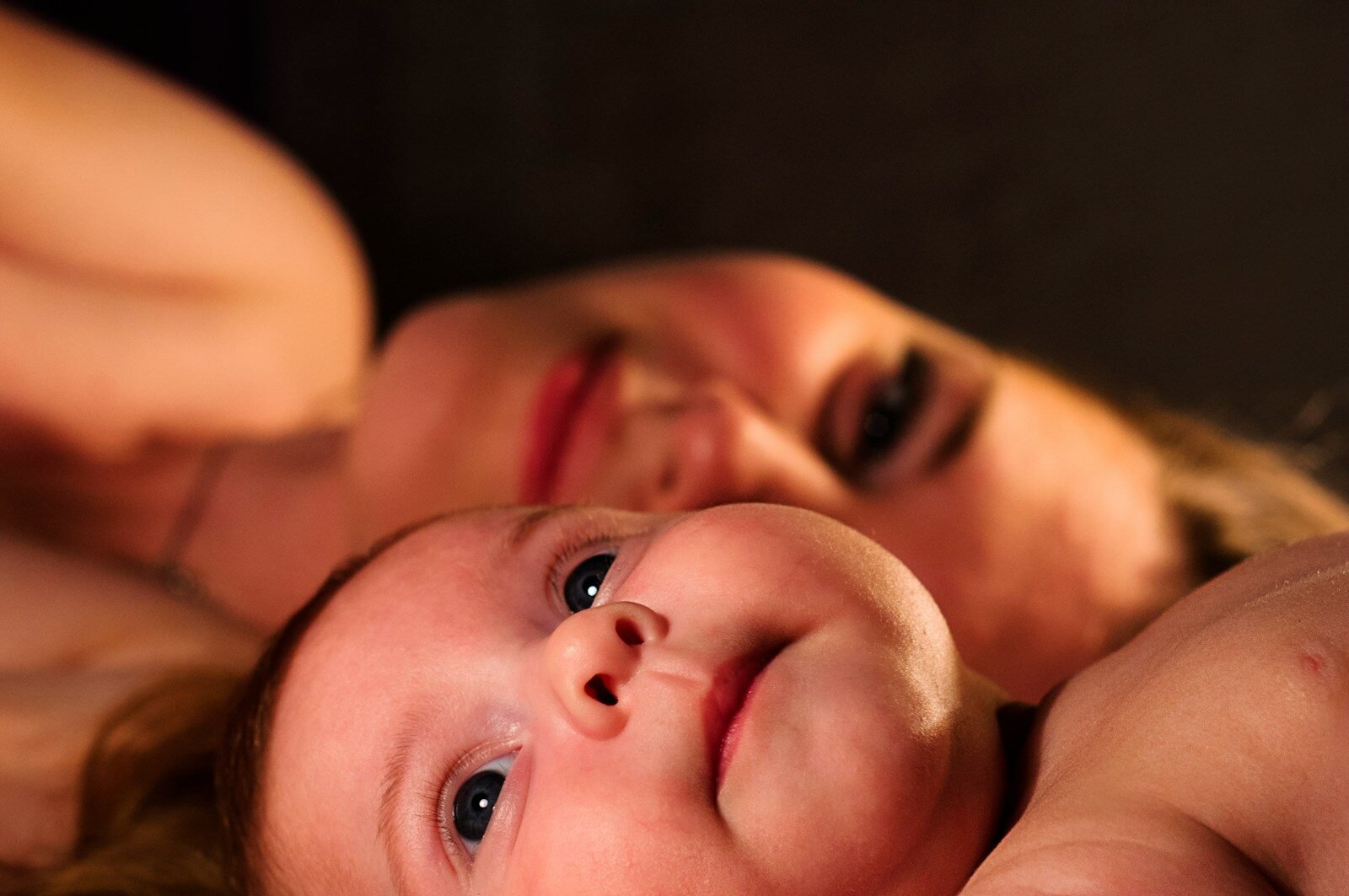
Determining when to stop using sound machine for baby is rarely about hitting a specific calendar date and more about observing the child’s evolving sleep patterns. While white noise is a helpful tool for many families, parents often wonder if their little one has reached a level of maturity where the machine is no longer a crutch. Deciding when to stop using sound machine for baby usually involves a thoughtful assessment of the child’s ability to settle themselves and their overall sensitivity to environmental changes. For more insights on balancing these tools, check out these best noise solutions for peaceful nights.
Age Considerations for Weaning
There is no “magic age” for weaning, but experts generally look for markers of development that coincide with more stable sleep.
- The Toddler Threshold: Many parents begin to consider weaning once their child reaches the toddler years (around ages 2 to 3), as they become more verbal and capable of expressing their comfort needs.
- Reduced Startle Reflex: By the time a child is well past the newborn stage, their natural startle reflex is gone, making them less reliant on the “constant” nature of white noise to bridge sleep cycles.
- Neurological Maturation: As outlined by the American Academy of Pediatrics (AAP), sleep architecture changes significantly during the first few years of life. As a child’s sleep cycles consolidate, their need for external auditory cues often diminishes naturally.
Observation of Sleep Independence
Beyond age, the most reliable indicator of readiness is the baby’s behavior during nap times and overnight sleep. If a child is exhibiting signs of “sleep independence,” they may no longer require the mask of a sound machine.
- Self-Soothing Capabilities: If the child can fall asleep and return to sleep independently without needing parental intervention or specific sensory aids, they have likely outgrown the need for the sound machine.
- Distraction Sensitivity: If the child begins to wake up specifically to reach for or play with the sound machine, it has become a stimulation factor rather than a soothing one.
- Environmental Awareness: Research from the National Institutes of Health (NIH) suggests that children become increasingly aware of their environment as they grow. If they seem to settle better in absolute silence, it is a strong sign that the white noise is now hindering rather than helping.
Key signs that the transition process may be successful:
- The child sleeps soundly even when the machine is accidentally left off.
- The child exhibits no change in sleep quality when staying in different, quieter environments.
- The child shows increased interest in other soothing associations, such as a favorite plush toy or a consistent bedtime story, which can replace the auditory signal.
Creating a Gradual Weaning Plan
Deciding when to stop using sound machine for baby does not need to be an abrupt or stressful event. A methodical, step-by-step approach allows the infant to adjust to a quieter sleep environment without disrupting their internal sleep cycles. By focusing on consistency, parents can help their child develop independence and confidence in their own ability to self-soothe. According to resources from the American Academy of Pediatrics, establishing healthy sleep environments is fundamental to long-term developmental success.
Reducing Volume Gradually
The most effective way to transition away from artificial sound is to slowly decrease the output intensity. This allows the baby’s brain to habituate to the ambient noise of the household.
- Week 1: Lower the decibel level by 5-10% every few nights.
- Week 2: Continue small, incremental decreases until the machine is barely audible.
- Verification: Ensure that the sound remains below the recommended safety levels throughout the process to protect the child’s hearing development.
By turning the volume down slightly each evening, parents avoid “cold turkey” changes that might trigger unnecessary night wakings or sleep regressions.
Using White Noise Timers
If a child relies heavily on the machine to fall asleep, introducing a timer is an excellent strategy to encourage sleep independence. This method slowly bridges the gap between falling asleep with sound and staying asleep in silence.
- Set the Initial Duration: If the baby currently sleeps for 11 hours with the machine, set the timer for 10 hours.
- Monitor the Response: If the baby wakes up when the machine shuts off, wait a few minutes to see if they can drift back to sleep on their own.
- Shorten the Window: Once the infant is comfortable with the machine turning off, decrease the timer by 30-minute intervals over the course of several days.
- Final Transition: Eventually, the timer will be set to turn off shortly after the child falls asleep, signaling that the device is no longer necessary for the duration of the night.
Consistency remains the most vital element during this transition phase. By moving slowly, caregivers ensure the child feels secure and supported while learning to navigate the quiet environment of their room.
Environmental Factors to Consider
Creating an optimal sleep sanctuary involves more than just the auditory environment. Before deciding when to stop using sound machine for baby, parents must assess the broader nursery landscape to ensure the transition does not disrupt sleep quality. Environmental stability is crucial, as external stimuli can quickly wake a child who is no longer buffered by consistent white noise. According to the American Academy of Pediatrics (AAP), creating a safe and conducive sleep environment is the cornerstone of healthy infant development.
Managing Household Noise Levels
Once the sound machine is phased out, the nursery becomes more vulnerable to the unpredictable sounds of a busy American household. To maintain a peaceful environment, parents should consider the following:
- Acoustic Buffering: Use heavy rugs, curtains, or even wall hangings to absorb echoes and sound vibrations from other rooms.
- Strategic Room Placement: If the nursery shares a wall with a high-traffic area like a kitchen or living room, consider moving the crib to the interior wall furthest from the noise source.
- Consistency is Key: Aim to maintain a relatively steady level of background ambient noise during nap times, rather than expecting absolute silence, which can make a child hyper-sensitive to minor disruptions.
For more information on the impact of noise on infant sleep, consult resources provided by the National Institutes of Health (NIH).
Blackout Curtains and Room Temperature
Environmental factors act in harmony; if the auditory buffer is removed, visual and thermal comfort must be optimized to compensate. A well-regulated room helps a child stay asleep even without the aid of a machine.
- Light Control: Utilize high-quality blackout curtains to eliminate street lights or early morning sun. Darkness triggers the natural production of melatonin, which helps maintain deep sleep cycles.
- Temperature Regulation: Experts recommend keeping the nursery between 68°F and 72°F. A room that is too warm can lead to restlessness, while one that is too cold may cause unnecessary wakings.
- Air Circulation: Use a ceiling fan on a low setting or a gentle air purifier. These provide a subtle, steady “whoosh” sound—often a great natural sound alternative—while keeping the air fresh and at a comfortable temperature.
By fine-tuning these variables, parents can build a buffer that makes the shift away from a white noise machine feel seamless rather than jarring.
Establishing New Bedtime Associations
As parents begin to evaluate when to stop using sound machine for baby, they must focus on building a robust sleep environment that doesn’t rely solely on white noise. Establishing new associations helps a child transition toward independent sleep, ensuring they feel secure and ready for rest even without their usual auditory aid. By shifting the focus from external stimulation to internal comfort, caregivers can foster better sleep hygiene habits that last well into childhood.
The Power of Consistent Bedtime Routines
Consistency is the cornerstone of healthy sleep habits. When weaning a child off a sound machine, a predictable bedtime routine serves as a psychological signal that it is time to wind down. According to resources from the National Sleep Foundation, a structured routine reduces anxiety and prepares the brain for the transition to sleep.
- Follow a Set Order: Perform tasks in the same sequence every night, such as a warm bath, pajamas, storytime, and a brief lullaby.
- Dim the Environment: Lower the lights 30 minutes before bedtime to encourage the natural production of melatonin.
- Bridge the Gap: If the white noise is removed, replace that sensory input with a consistent verbal cue or a low, soothing humming sound from the parent to maintain a sense of presence without technical assistance.
Introducing Comfort Objects or Loveys
When moving away from the constant background hum of a sound machine, many children benefit from a transition object. A “lovey”—such as a small, soft blanket or a stuffed animal—can provide the security they previously sought from white noise. This aligns with the American Academy of Pediatrics guidelines on creating a safe, comfortable sleep environment that promotes self-soothing.
To successfully introduce a comfort object, consider the following strategies:
- Safety First: Ensure the object is age-appropriate, breathable, and free of loose parts like buttons or ribbons that could pose a choking hazard.
- Scent Association: Allow the caregiver to hold the lovey close to them during the day so it carries a familiar scent, which can be highly comforting for a baby during the night.
- Positive Reinforcement: Encourage the baby to hold the object during calming activities before bed, helping them form a strong, positive attachment before the sound machine is fully phased out.
- Gradual Integration: Place the object in the crib during nap times first, allowing the child to get used to the new companion while they are still in the process of learning when to stop using sound machine for baby.
By prioritizing these associations, parents can create a stable sleep foundation that empowers the child to settle themselves peacefully. Providing security through routine and comfort items makes the withdrawal of auditory stimulation a much smoother process for the entire family.

Common Challenges During the Transition
Transitioning away from ambient noise can be a delicate process, often leading parents to question when to stop using sound machine for baby. During this phase, it is normal to encounter temporary disruptions in sleep quality as the infant adjusts to a quieter environment. Recognizing that these hurdles are a natural part of the developmental process helps caregivers remain patient and consistent with their chosen sleep strategies.
Handling Night Wakenings
When a baby is accustomed to the consistent hum of a sound machine, they may wake up more frequently once it is removed or lowered. This is often because the sudden silence becomes a startling change in their sleep environment.
- Implement a Buffer: If the baby wakes, try patting them or using a soothing voice instead of immediately turning the sound machine back on.
- Gradual Adjustment: If night wakings persist, consider if the transition is happening too quickly. According to the American Academy of Pediatrics (AAP), creating a consistent, safe sleep environment is vital for long-term success.
- Check Environmental Factors: Ensure that sleep independence is supported by maintaining a cool room temperature and comfortable bedding to reduce the chance of external discomfort causing the wakings.
Dealing with Sleep Regressions
Even with a well-planned transition, families may find that a sleep regression coincides with the process. This can lead to increased fussiness or a total refusal to settle without the auditory aid they have grown to rely on.
- Maintain Routine: Keep the bedtime sequence identical every night, even if the sleep itself is fragmented.
- Avoid New Associations: Try not to replace the sound machine with a new, potentially unsustainable habit, such as feeding to sleep or excessive rocking.
- Seek Professional Guidance: If the regression lasts longer than a few weeks or significantly impacts the family’s well-being, it is advisable to consult resources from The National Institutes of Health (NIH) regarding healthy infant sleep patterns.
Navigating these challenges requires a focus on consistency. While it is tempting to revert to previous methods, staying the course helps the baby build the confidence needed to self-soothe in a quieter room, ultimately reaching the goal of successful sleep independence.
Safety Precautions for Sound Machines
While many parents rely on white noise to help their infants drift off to sleep, understanding the safety parameters is just as important as knowing when to stop using sound machine for baby. If you choose to use these devices, maintaining a safe sleep environment is essential to protect a developing auditory system. According to the American Academy of Pediatrics (AAP), creating a secure sleep space involves careful consideration of all accessories placed in or near the crib.
Recommended Decibel Levels
Monitoring the volume of a sound machine is a critical safety measure. Excessive noise can potentially interfere with the healthy development of an infant’s hearing.
- Maximum Threshold: Experts generally recommend keeping the volume at or below 50 decibels to ensure the sound does not reach harmful levels.
- Measurement: Parents can use a smartphone decibel meter app to check the volume level at the exact location where the baby’s head rests in the crib.
- Consistency: Avoid sudden spikes in volume. If the device has an “auto-on” feature that reacts to crying, ensure it does not jump to a jarringly high volume.
For more technical details on safe listening environments, refer to research published via PubMed.gov regarding infant auditory health.
Placement and Distance from the Crib
Proper positioning is often overlooked but plays a significant role in sound safety. Placing the machine too close can intensify the sound exposure, regardless of the volume setting.
- The Three-Foot Rule: Always place the sound machine at least seven feet away from the baby’s crib or bassinet.
- Surface Stability: Ensure the machine is placed on a flat, stable surface where it cannot be knocked over or accessed by curious toddlers.
- Cord Safety: Always keep the power cord completely out of reach. Cords pose a strangulation hazard and should be secured or tucked away behind furniture.
- Acoustic Buffer: Positioning the machine near a door or a window—rather than directly next to the crib—helps mask external neighborhood noises while keeping the sound intensity gentle and non-intrusive for the baby.
By adhering to these distance and volume guidelines, parents can safely incorporate white noise into their routine until they reach the milestone of when to stop using sound machine for baby.

Expert Tips for Consistent Sleep Hygiene
Establishing a foundation of healthy sleep habits is more impactful than the specific tools used to achieve them. While parents often fixate on when to stop using sound machine for baby, the broader goal is to foster an environment where a child feels secure and ready for rest. By focusing on biological rhythms and environmental stability, caregivers can create a sustainable sleep environment that supports development throughout the toddler years and beyond.
Balancing Nap Times and Night Sleep
Maintaining a predictable rhythm is the cornerstone of healthy sleep hygiene. A well-rested child is generally less prone to overtiredness, which often leads to fragmented sleep.
- Follow Age-Appropriate Wake Windows: Ensuring that naps are spaced correctly prevents a child from becoming overstimulated before bedtime.
- Prioritize Consistency: According to the American Academy of Pediatrics, creating a predictable environment helps stabilize an infant’s internal clock.
- Manage Light Exposure: Keep the room dim during naps and dark at night to help regulate melatonin production.
- The Transition Period: As parents determine when to stop using sound machine for baby, they should ensure that nap and nighttime routines remain identical. This continuity provides a sense of security that bridges the gap between different sleep periods.
When to Consult a Pediatrician
While many sleep challenges are common developmental hurdles, there are specific instances where professional medical guidance is necessary. Parents should reach out to their pediatrician if they observe red flags that extend beyond standard sleep regressions.
- Persistent Breathing Concerns: If a parent suspects their child has sleep apnea—characterized by loud snoring, mouth breathing, or pauses in breathing—they should seek immediate clinical evaluation, as noted by resources available via PubMed.
- Extreme Difficulty Settling: If a child experiences chronic distress or cannot be soothed despite consistent sleep hygiene efforts, it may be time to rule out underlying medical issues.
- Developmental Milestones: If a child’s sleep habits significantly regress during a time when they are not hitting major physical milestones, a pediatrician can provide context on whether these changes are behavioral or health-related.
- Guidance on Auditory Health: If there are concerns regarding long-term auditory development or the child’s reaction to noise levels in the nursery, a doctor can provide evidence-based recommendations on how to improve sleep hygiene without relying on excessive volume.
By prioritizing these habits, families can move away from dependence on external props and toward a model of independent, restful sleep. Focusing on these pillars ensures that the transition away from white noise is merely one minor adjustment within a robust and healthy routine.
Frequently Asked Questions
Many parents find themselves searching for guidance on when to stop using sound machine for baby as their child approaches toddlerhood. While there is no universal “expiration date” for white noise, understanding the common concerns regarding long-term usage and transition strategies can help parents make informed decisions for their family’s sleep hygiene.
Is it okay to use a sound machine indefinitely?
Yes, it is generally considered safe to use a sound machine well into childhood, and even adulthood. Many individuals find that they continue to prefer a consistent sound environment to mask disruptive noises. If a parent decides to keep using one, there are no significant medical drawbacks, provided the device is used responsibly. According to the American Academy of Pediatrics, the primary goal is ensuring a safe sleep environment, and if a sound machine helps a child achieve restorative rest, it can be viewed as a helpful tool rather than a crutch.
Does white noise impact hearing development?
When used correctly, white noise does not negatively impact hearing. The primary risk associated with auditory devices is the intensity of the sound. To protect a developing infant’s ears, parents should ensure:
- Volume Control: Keep the device at a low, consistent volume—ideally no louder than a soft whisper or a gentle shower.
- Distance: Place the machine at least 7 feet (2 meters) away from the crib.
- Research: Studies published via PubMed suggest that limiting the output of these devices prevents potential auditory stress, keeping the infant’s ears safe during their most critical growth phases.
How do I travel without a sound machine?
Traveling can disrupt a baby’s sleep, so maintaining familiar routines is essential. If a parent is concerned about when to stop using sound machine for baby while away from home, they might consider these strategies:
- Portable Devices: Utilize small, battery-operated sound machines that attach to the stroller or car seat.
- Smartphone Apps: Use a travel-friendly app that mimics the specific sound frequency the baby is accustomed to.
- Gradual Withdrawal: If the goal is to stop using it, start the transition after the trip, not during, to keep sleep consistency high in a new environment.
What are the best alternatives to white noise machines?
If a parent decides to move away from electronic devices, they may look for natural white noise alternatives to aid in the sleep transition. These methods provide a soothing environment without relying on hardware:
- Oscillating Fans: A classic choice that provides both air circulation and consistent ambient hum.
- Air Purifiers: These devices perform double duty by filtering the air while creating a steady, low-frequency background sound.
- Heavy Curtains: While not a sound source, they block out traffic or neighborhood noises, reducing the need for masking sounds.
- Humidifiers: A quiet humidifier can provide a subtle, steady sound that helps some children drift off to sleep peacefully.
Conclusion: Final thoughts on when to stop using sound machine for baby
Deciding when to stop using sound machine for baby is a personal journey that depends entirely on a child’s unique temperament and the household environment. While there is no rigid deadline for ditching the device, most parents find that a gradual approach yields the best results during the toddler years, typically between ages two and three. The goal is to move from a reliance on external stimuli toward internal sleep regulation, ensuring that the child feels secure and rested regardless of their surroundings.
Key Takeaways for a Smooth Transition
- Prioritize Patience: There is no rush to remove the sound machine if it currently promotes healthy rest.
- Gradual Fading: Slowly lowering the decibel level over several weeks is often more effective than an abrupt change.
- Consistency is Vital: Pairing the removal of the machine with a rock-solid bedtime routine helps maintain sleep quality.
- Safety First: Always adhere to American Academy of Pediatrics (AAP) guidelines regarding safe sleep environments to ensure that any sleep aid used does not interfere with the infant’s health.
Addressing Sleep Independence
As children grow, they naturally develop a higher tolerance for silence and minor household background noise. By focusing on healthy sleep hygiene—such as maintaining a cool, dark room—parents can foster long-term independence. For further reading on developmental sleep patterns, the National Institutes of Health (NIH) offers extensive resources on the importance of circadian rhythms and rest for growing children.
Final Checklist for Success
- Monitor the Environment: Ensure the room remains quiet and free from distractions.
- Observe Response: If the child experiences significant distress, it is acceptable to reintroduce the machine or slow the transition process.
- Evaluate Long-Term Needs: Remember that some adults continue to use white noise for comfort, so there is no immediate pressure to force a change if it negatively impacts the child’s well-being.
Ultimately, knowing when to stop using sound machine for baby comes down to observing how the child navigates transitions. By providing comfort and maintaining a consistent routine, parents can navigate this milestone with confidence and ease.
