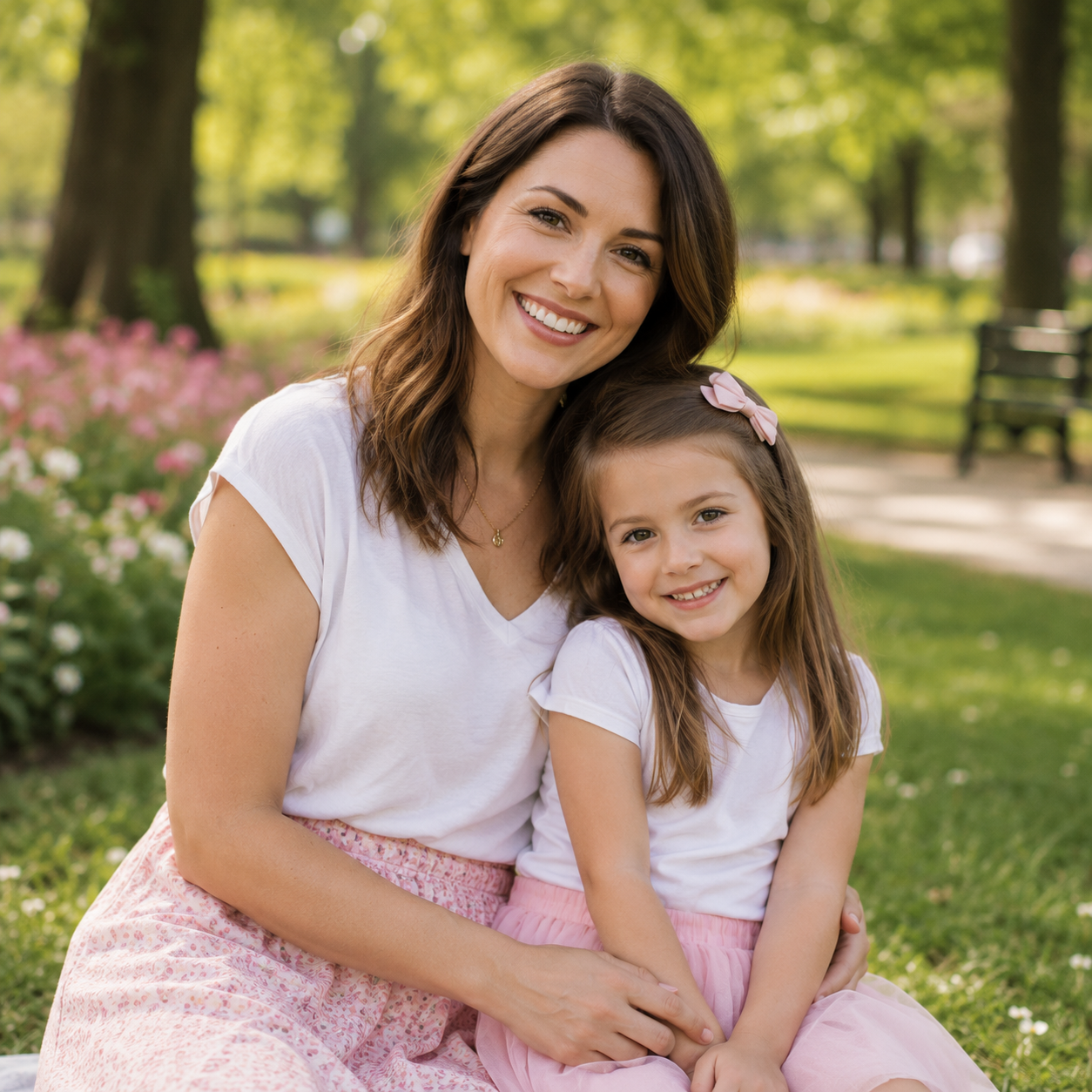
Babies sleep after feeding because of a powerful combo of biology and comfort. When your little one feeds, their body releases hormones like cholecystokinin (CCK) that naturally make them drowsy, while the warmth of your skin, the rhythmic sucking, and a full tummy signal the brain that it is time to rest. This instinctive sleep-after-feeding pattern is nature’s way of helping newborns grow, digest properly, and bond with their caregiver.
You have just sat down on the sofa, bleary-eyed at 2 AM, and your newborn has finally latched on. You watch their tiny eyelids flutter, then slowly close. Their sucking becomes slower, softer, and then stops. They are asleep, milk still pooling at the corner of their mouth. You wonder: is this real? Did they really just fall asleep again?
If you are a new parent, you know this scene well. It happens every single time you feed your baby. But have you ever stopped to ask yourself: why baby sleep after feeding? It seems so obvious right? They are full, warm, and cozy. But the real answer is way more fascinating than just “they are tired.”
In this article, we will dive deep into the biology, the psychology, and the evolutionary reasons behind why baby sleep after feeding. You will learn about the hormones at play, the comfort factors that make feeding the ultimate sleep aid, and what you can do to use this natural pattern to help your baby rest better. Let us uncover the magic behind this beautiful, sleepy cycle.
Key Takeaways
- Hormones are the main driver: The milk hormone CCK (cholecystokinin) makes babies sleepy after they eat, and it peaks about 30 minutes after feeding starts.
- Comfort plays a big role: Warmth, skin contact, and rhythmic sucking release oxytocin and lower stress, turning feeding into a natural lullaby.
- Full tummies trigger relaxation: A full stomach activates the vagus nerve, which puts the body into “rest and digest” mode, making sleep irresistible.
- It is a survival instinct: Newborns sleep 16-18 hours a day, and feeding-to-sleep is nature’s way of ensuring they get enough rest and nutrition.
- Not all babies react the same: Some babies are naturally more alert after a feed, while others can barely keep their eyes open, and both are normal.
- You can use this pattern wisely: Understanding why baby sleep after feeding helps you create better sleep routines and avoid accidentally starving your little one.
- It changes as they grow: By 3-6 months, the direct link between feeding and sleep weakens as your baby develops more mature sleep cycles.
📑 Table of Contents
- The Surprising Hormone That Makes Babies Drowsy After a Feed
- Comfort: The Hidden Sleep Trigger You Can Not Ignore
- The “Rest and Digest” System: Why a Full Belly Means Sleep Mode
- Evolutionary Survival: Why Nature Made Babies Sleep After Eating
- Practical Tips: How to Use the Post-Feed Sleep Window Wisely
The Surprising Hormone That Makes Babies Drowsy After a Feed
You might think that a baby falls asleep simply because their belly is full. But there is a lot more happening inside their tiny body. The star player here is a hormone called cholecystokinin, or CCK for short. This little chemical is released in the gut when your baby eats, and it does two jobs. It helps with digestion, and it also sends a strong signal to the brain that says: “time to rest.”
CCK levels start rising as soon as your baby begins to feed. They peak about 30 minutes into the feeding session, which is exactly when you notice your baby getting heavy-eyed and drowsy. This is not a coincidence. CCK binds to receptors in the brain that promote sleep, especially in newborns whose sleep regulation systems are still developing.
Interestingly, CCK is also present in breast milk itself, especially in the foremilk (the first milk your baby gets). This means that from the very first sip, your baby is getting a natural, gentle sleep aid straight from you. Formula-fed babies also release CCK when they eat, but the effect can be slightly different because of the different fat and protein composition.
So, when you ask yourself why baby sleep after feeding, remember that it is a carefully orchestrated hormonal event. Your baby is not just full. They are chemically programmed to drift off.
How Milk Composition Affects Sleepiness
Breast milk changes throughout the day and even throughout a single feeding session. Foremilk is thinner and higher in lactose, while hindmilk is richer in fat. Hindmilk, which comes later in the feed, is especially good at triggering CCK release because fat is a potent stimulator of this hormone. Babies who get more hindmilk tend to be more satisfied and sleepier after a feed.
If you are bottle-feeding, the type of formula also matters. Formulas with higher fat content or added prebiotics may influence how sleepy your baby feels after eating. However, every baby is different, so do not stress about the exact composition. The main point is that what your baby eats directly affects their post-feed sleep.
Comfort: The Hidden Sleep Trigger You Can Not Ignore
Hormones are not the whole story. There is another huge reason why baby sleep after feeding: comfort. Think about what feeding feels like for your baby. They are held close to your warm body. They hear your heartbeat, the same sound they listened to for nine months in the womb. They feel the gentle rhythm of your breathing. Their tiny mouth is making rhythmic sucking movements, which is naturally calming.
Visual guide about The Fascinating Reason Why Baby Sleep After Feeding
Image source: i.ytimg.com
This comfort triggers the release of oxytocin, the “love hormone,” in both you and your baby. Oxytocin promotes feelings of safety, bonding, and relaxation. It also lowers cortisol, the stress hormone. For a newborn, the world is a noisy, bright, overwhelming place. Feeding is their safe haven. It is where they feel most secure. And when a baby feels safe, their body naturally wants to sleep.
There is also the factor of sucking itself. Non-nutritive sucking (sucking without getting much milk) is incredibly soothing for babies. It releases endorphins, the body’s natural painkillers, which also promote drowsiness. This is why many babies will suckle lazily even after they are full, hovering in that sleepy, milk-drunk state before finally drifting off.
The Role of Warmth and Skin-to-Skin Contact
Skin-to-skin contact during feeding amplifies this comfort effect. When your baby’s bare skin touches yours, their body temperature regulates, their heart rate slows, and their breathing becomes more regular. This state of physiological calm is a direct invitation to sleep. Many parents notice that their baby falls asleep faster and sleeps longer when fed skin-to-skin compared to being bundled up in a blanket.
This is also a great tip for parents who have a baby that struggles to fall asleep after feeding. Try feeding with less clothing, more direct skin contact, and a warm room. The comfort factor alone can make the difference between a drowsy baby and a wide-awake one.
The “Rest and Digest” System: Why a Full Belly Means Sleep Mode
You have probably heard of the “fight or flight” response, which is the body’s stress mode. But there is also the “rest and digest” system, called the parasympathetic nervous system. When your baby eats, their body shifts into this mode automatically. The vagus nerve, which runs from the brain to the abdomen, is activated. This nerve slows the heart rate, lowers blood pressure, and signals the brain that it is time to relax.
For a newborn, the line between digestion and sleep is very blurry. Their digestive system is immature, and the act of digesting milk takes a lot of energy. In fact, digestion is one of the most energy-intensive activities for a baby. It is physically tiring. So, when you see your baby nodding off after a feed, part of it is simply because they are exhausted from the hard work of digesting.
Additionally, a full stomach stretches the gut wall, which sends signals through the vagus nerve to the brain. This signal is interpreted as “I am satisfied, I am safe, I can rest now.” This is the same reason you might feel sleepy after a big Thanksgiving meal, except for a baby, the effect is magnified a hundred times because their system is so much more sensitive.
Why Some Babies Stay Awake After Feeding
You might be reading this and thinking: “My baby does NOT sleep after feeding. They are wide awake!” That is normal too. Some babies are naturally more alert. Others might have reflux, gas, or a strong sensitivity to the environment. If your baby is awake after a feed, it does not mean something is wrong. It might just mean they are a curious little soul who wants to stay awake and look at your face.
However, if your baby is consistently not sleeping after feeding, consider these factors: are they getting enough milk? Is the room too bright or noisy? Are they uncomfortable? Sometimes, a burp that needs to come out can keep a baby awake. A gentle burping session and a diaper change can reset the comfort level and help them drift off.
Evolutionary Survival: Why Nature Made Babies Sleep After Eating
From an evolutionary perspective, why baby sleep after feeding makes perfect sense. Newborns are completely helpless. They can not move, they can not find food, and they can not defend themselves. Their only jobs are to eat, grow, and sleep. Sleeping after eating serves two critical survival purposes.
First, it conserves energy. A baby who falls asleep right after feeding is not wasting calories on crying, moving, or staying awake. All that energy goes straight into growth and brain development. In the first few months, a baby doubles their birth weight and their brain grows rapidly. Every ounce of energy matters.
Second, it keeps them safe. In ancient times, a sleeping baby was a quiet baby. A quiet baby did not attract predators. By sleeping right after feeding, babies evolved to stay hidden and safe while their caregivers rested or gathered food. This instinct is still hardwired into your baby today, even though the predators are gone.
This evolutionary link also explains why babies often wake up hungry again after a short sleep. Their tiny stomachs hold only about 20-30 ml (1-2 tablespoons) of milk. So, they sleep for a short burst, wake up hungry, feed, and sleep again. This pattern is called the feed-sleep-wake cycle, and it is completely normal for the first few months.
The Difference Between Day and Night Sleep After Feeding
You might notice that your baby sleeps more deeply after a nighttime feed compared to a daytime feed. This is because their circadian rhythm (internal body clock) is starting to form, although it is very weak at first. Melatonin, the sleep hormone, is present in breast milk, but levels are higher at night. So, a night feed naturally contains more sleep-inducing hormones than a day feed.
To help your baby learn the difference, keep nighttime feeds dark, quiet, and boring. Do not talk or play. Just feed, burp gently, and put them back down. Over time, their body will associate the night feed with deep sleep, and they will start sleeping longer stretches.
Practical Tips: How to Use the Post-Feed Sleep Window Wisely
Now that you understand why baby sleep after feeding, you can use this knowledge to make your life easier. Here are some practical tips to help you and your baby get the most out of this natural sleep window.
Create a Consistent Pre-Feed Routine
If you know your baby will be sleepy after a feed, prepare the environment beforehand. Dim the lights, turn off the TV, and make sure the room is a comfortable temperature. If you plan to put them in a crib or bassinet, have it set up before you start feeding. This way, you can transition your sleepy baby directly to their sleep space without startling them awake.
Burp Strategically
Burping is crucial because trapped gas can wake a sleepy baby. However, try to burp gently and minimally to avoid fully waking them up. A gentle pat on the back while holding them upright against your chest often works without disturbing their drowsy state. If they are fast asleep, do not wake them just to burp. A little bit of gas will pass on its own.
Use the “Drowsy but Awake” Method
This is a popular sleep training technique that you can start even with a newborn. When you notice your baby is drowsy but not fully asleep, try to put them down in their crib or bassinet. The goal is to let them fall asleep on their own. This might not work every time, and that is okay. But over time, it teaches your baby to connect feeding to sleepiness without needing to be held the entire time.
Watch for Hunger vs. Comfort Sucking
Sometimes babies continue to suckle because they are still hungry, and sometimes they suckle because it is comforting. If your baby is sleeping but still gently sucking, they are probably just comfort sucking. You can gently remove them by inserting a clean finger into the corner of their mouth to break the seal. If they wake up and cry, they might still be hungry, so offer the other side or a little more formula.
Do Not Forget to Burp Yourself
Yes, you! Parents also get sleepy after feeding, especially in the middle of the night. But do not fall asleep with your baby on the couch or in the bed unless you have set up a safe sleep environment. Always put your baby on their back in a clear, flat sleep space with no pillows, blankets, or stuffed animals. Place your baby in their crib or bassinet before you fall asleep yourself.
Understanding why baby sleep after feeding is one of the most empowering things you can learn as a new parent. It takes the mystery out of your baby’s behavior and helps you see the incredible biology at work. Your baby is not just being lazy or difficult. They are following a deep, instinctive pattern that has been shaped by millions of years of evolution. Every sleepy feed is a tiny miracle of nature.
So the next time your baby drifts off mid-feed, take a moment to just watch. Look at their relaxed face, their tiny hands curling up, their soft breathing. You are part of a cycle that is older than humanity itself. And you are doing a beautiful job.
Frequently Asked Questions
Is it normal for my baby to fall asleep at the breast every time?
Yes, it is completely normal for newborns to fall asleep at the breast during most feeds. This is because of the combination of CCK release, comfort, and the energy demands of digestion. As your baby grows, they will become more alert and stay awake for longer periods after feeding.
Why does my baby wake up crying right after I put them down?
This can happen if your baby is still hungry, has trapped gas, or is experiencing a startle reflex. It can also happen if they are too hot or too cold. Try burping them again, checking their diaper, and then feeding a little more on the other side before putting them down again.
Should I wake my baby to feed if they are sleeping?
In the first few weeks, you may need to wake your baby to feed every 2-3 hours if they are not waking on their own. This ensures they get enough nutrition and helps establish your milk supply. After they have regained their birth weight (usually by 2-3 weeks), you can let them sleep longer stretches.
How long should a baby sleep after a feed?
Newborns typically sleep 1-3 hours after a feed, depending on their age, size, and whether they are breastfed or formula-fed. Breast milk digests faster, so breastfed babies may wake sooner (every 1.5-2 hours). Formula-fed babies may sleep for 2-4 hours because formula takes longer to digest.
Can a baby choke if they fall asleep while feeding?
It is very unlikely for a healthy baby to choke while feeding because the suck-swallow-breathe reflex is coordinated. However, always keep your baby in a slightly upright position while feeding, and never prop a bottle. If your baby falls asleep, gently tilt them to the side to ensure any pooled milk drains from their mouth.
Why does my baby only sleep when held after feeding and not in the crib?
Babies love the warmth, heartbeat, and motion of being held. When you put them down, they feel the cold mattress, lose your body heat, and may startle awake. To help them transition, warm the crib with a hot water bottle (remove it before placing the baby), swaddle them, and put them down feet first to reduce the startle reflex.