
For many new parents navigating the challenges of sleep deprivation, the gentle hum of a sound machine has become an essential nursery staple. But why do babies like white noise so much? The answer lies in a combination of biological comfort and the practical need to manage an unpredictable home environment. By providing a consistent auditory backdrop, these devices often help infants drift into deeper, more restorative rest.
Research suggests that the effectiveness of sound therapy is rooted in the infant’s development. As noted by the American Academy of Pediatrics (AAP), creating a secure and predictable sleep environment is a cornerstone of pediatric care. When parents ask why do babies like white noise, they are often discovering that it serves two primary functions:
- Sensory Familiarity: It recreates the rhythmic, constant sounds of the womb, providing a sense of security.
- Acoustic Masking: It effectively drowns out household disruptions, such as a closing door or a barking dog, that might otherwise trigger a startle reflex in a sleeping infant.
Many families find that investing in high-quality sound machine options for newborns is one of the most effective ways to manage the transition from womb to world. According to findings published by National Institutes of Health (NIH), consistent ambient sound can play a significant role in improving sleep initiation in clinical settings.
Ultimately, understanding why do babies like white noise allows caregivers to better support their child’s circadian rhythm, fostering healthier sleep habits that benefit the entire household. Through this approach, parents can turn the nursery into a sanctuary of calm, reducing stress for both the baby and the caregiver.
Key Takeaways
Understanding why do babies like white noise is essential for any parent aiming to improve nursery sleep quality. By mimicking the sensory environment of the womb, these sounds help infants feel secure, ultimately fostering longer, more restful sleep cycles throughout the night.
Here are the primary points to consider regarding the effectiveness of sound therapy for infants:
- Womb Mimicry: Infants find comfort in white noise because it replicates the “whooshing” sounds of blood flow and rhythmic breathing they heard in utero. According to research published by the National Institutes of Health, consistent auditory stimuli can significantly assist in calming a crying infant.
- Acoustic Masking: A major reason for utilizing sound machines is to suppress the startle reflex, which is often triggered by sudden household noises like closing doors or barking dogs.
- Improved Sleep Continuity: By smoothing out ambient shifts in the home, white noise allows babies to bridge the gap between light and deep sleep stages more effectively.
- Safety Standards: It is critical to adhere to recommended noise limits to protect a baby’s developing hearing. The American Academy of Pediatrics suggests keeping sound machines at a distance from the crib and maintaining a volume level no higher than 50 decibels.
- Equipment Quality: Not all devices are created equal. Parents often find success by selecting high-quality newborn sound machine options that offer non-looping, high-fidelity audio.
Quick Reference Guide
- Consistency is Key: Use continuous sound rather than short, looping tracks to avoid jarring transitions.
- Strategic Placement: Always position the device at least seven feet away from the crib to ensure the sound is evenly distributed and safe for the infant’s ears.
- Gradual Withdrawal: Parents should not worry about long-term dependency; most children naturally grow out of the need for white noise as they reach toddlerhood.
The Biology of Womb Sounds
Understanding why do babies like white noise requires looking back at the nine months spent in the womb. Far from being a place of silence, the uterus is a remarkably loud, dynamic acoustic environment. For a newborn, this constant auditory backdrop is the gold standard of comfort, helping them regulate their developing nervous systems during the challenging transition to the outside world. Finding the best newborn sound machine can help replicate these soothing, womb-like conditions for a more restful environment.
The familiar environment of the uterus
Contrary to popular belief, the womb is not a quiet sanctuary. Research published by the National Institutes of Health (NIH) indicates that the fetal environment is filled with the rhythmic sounds of the mother’s internal functions.
- Acoustic Immersion: The sound levels inside the uterus have been measured as high as 80 to 90 decibels—roughly equivalent to the sound of a vacuum cleaner or a busy city street.
- Sensory Anchoring: Because the fetus develops hearing around 20 weeks, these sounds become the primary sensory baseline.
- The “Quiet” Problem: When a baby is placed in a silent room, they often feel disoriented. White noise acts as a vital auditory bridge that reminds the infant of the security they felt before birth.
Mimicking the rhythmic flow of blood and breath
The soothing nature of white noise is rooted in its ability to mimic the consistent, low-frequency sounds that dominated a baby’s prenatal life. This is often described as womb sound mimicry, which functions as a form of biological pacifier.
- Blood Flow: The constant “whooshing” sound of blood pumping through the placenta and umbilical cord provides a steady, rhythmic cadence.
- Respiratory Patterns: The internal resonance of the mother’s breathing creates a predictable, cycling oscillation that provides a sense of safety.
- Hormonal Regulation: Evidence suggests that consistent, rhythmic background noise can trigger the release of calming neurotransmitters, helping to lower heart rates and reduce cortisol levels, according to studies indexed on PubMed.
By providing a constant, non-threatening sound floor, white noise effectively prevents the “startle reflex” from being triggered by minor household fluctuations, ensuring that the infant remains in a state of relaxed comfort rather than hyper-vigilance.
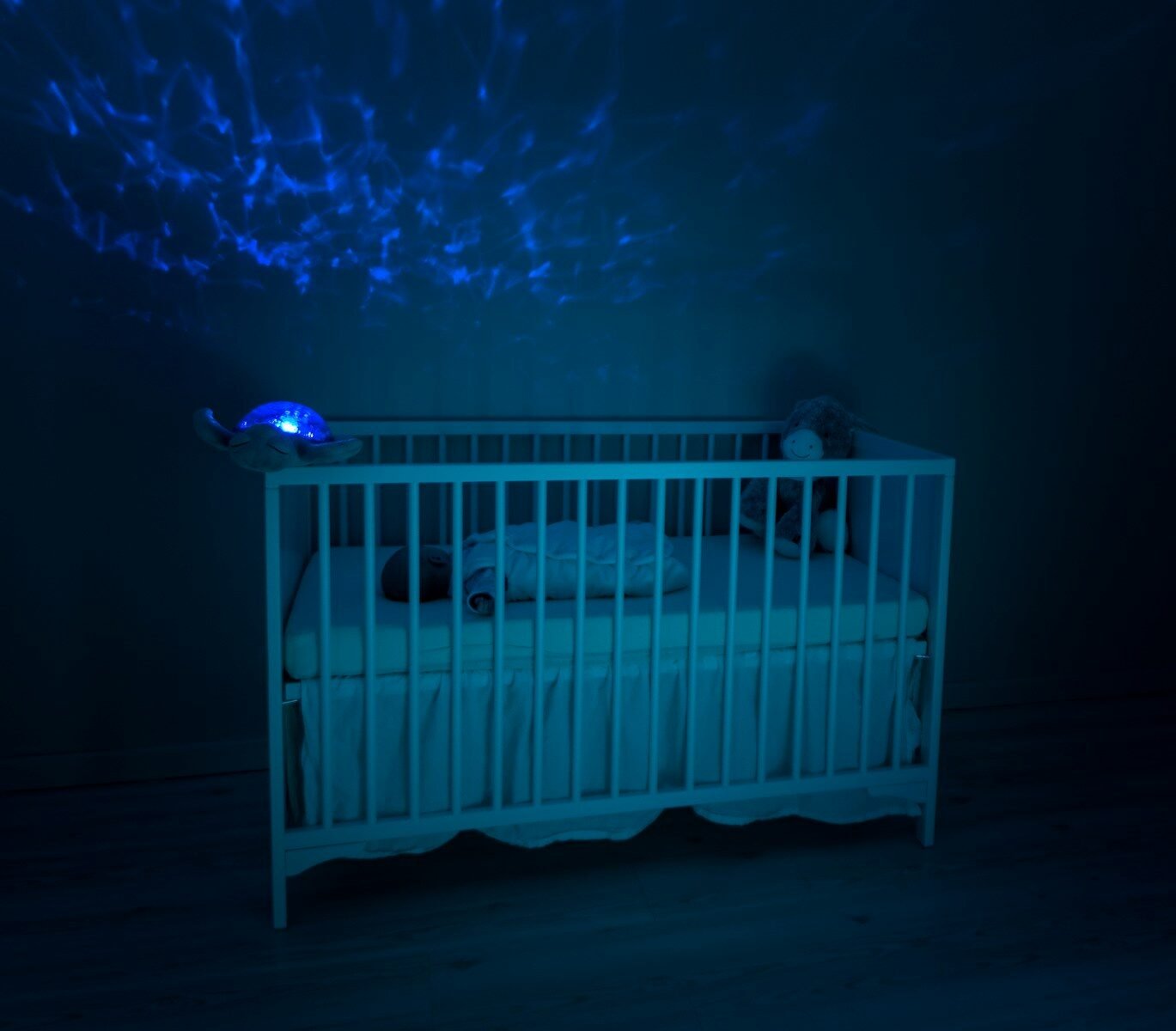
Masking Sudden Household Noises
The quiet of a nursery can paradoxically make a baby more sensitive to sudden, sharp sounds. A common question among parents is why do babies like white noise in such a still environment, and the answer often lies in the auditory “blanket” it provides. By creating a consistent sonic background, white noise effectively masks the jarring sounds of daily life that would otherwise pierce the silence and trigger an arousal response. For parents looking to optimize their nursery environment, researching the best sound machine options is a crucial step in maintaining this auditory buffer.
Reducing the startle reflex
Infants are born with a Moro reflex, which is an involuntary motor response to sudden changes in their sensory environment. Unexpected noises—such as a door slamming, a dog barking, or a floorboard creaking—are prime triggers for this reflex.
- Acoustic Insulation: White noise acts as a buffer, raising the ambient sound floor. This narrows the gap between the room’s baseline silence and a sudden loud noise, making the latter less shocking to the infant’s nervous system.
- Preventing Fragmentation: According to research published by the National Institutes of Health, sudden auditory interruptions can disrupt the progression of sleep stages, causing infants to wake prematurely.
- Constant Stimulation: Because the noise is predictable and steady, the infant does not perceive it as a threat, allowing the startle reflex to remain dormant.
Smoothing out ambient shifts in the home
Beyond sudden loud bangs, a household is filled with rhythmic but disruptive ambient shifts—a television playing in another room, conversations in the hallway, or the hum of an appliance cycling on and off.
- Auditory Masking: White noise contains all frequencies at equal intensity, which helps “fill in” the gaps between background sounds, essentially smoothing out the acoustic landscape.
- Creating a “Safe Bubble”: The consistent sound creates a psychological and sensory boundary, helping the baby feel secure even when the rest of the house remains active.
- Environmental Consistency: By providing a reliable sound profile, caregivers can ensure that the transition from a nap to deep sleep is protected from minor household fluctuations.
For parents concerned about long-term auditory health, the American Academy of Pediatrics suggests maintaining a safe volume level—typically around 50 decibels—to ensure that the masking effect is helpful rather than potentially harmful to delicate hearing. Understanding why do babies like white noise allows caregivers to create an environment where the child can rest peacefully despite the inevitable commotion of a busy American home.
How White Noise Promotes Longer Sleep Cycles
Parents often wonder why do babies like white noise so much, especially when they notice their little ones drifting off more peacefully with a consistent background hum. Beyond simple comfort, white noise acts as a neurological anchor that helps regulate a newborn’s immature sleep patterns. By creating a steady auditory environment, white noise helps infants navigate the complex transitions between different sleep states, ultimately fostering more restful and extended periods of slumber. For those looking to optimize the nursery environment, checking out the best newborn sound machine options can be a game-changer for parents struggling with fragmented rest.
Transitioning through light and deep sleep stages
Infant sleep architecture is notoriously fragmented, characterized by frequent shifts between light and deep sleep. Research published by Harvard Medical School suggests that these transitions are often when infants are most vulnerable to external stimuli.
- Auditory Consistency: When a baby hits a transition point in their sleep cycle, they are more likely to wake up if the room is pin-drop silent.
- Smoothing the Shift: White noise provides a consistent soundscape that masks the transition, preventing the brain from fully “alerting” during the jump from REM to non-REM sleep.
- Neurological Stability: The steady hum helps the infant maintain their state of rest, effectively smoothing out the “bumps” in their sleep cycle.
Reducing nighttime awakenings
One of the primary reasons parents seek out sound solutions is to mitigate the impact of sudden environmental changes, such as a closing door or a floorboard creak, which lead to nighttime awakenings. According to the American Academy of Pediatrics, creating a consistent sleep environment is essential for infant development and parental health.
To minimize these interruptions, consider these key benefits of white noise:
- Acoustic Masking: It creates a “sound blanket” that minimizes the contrast between silence and sudden, jarring noises.
- Maintaining Sleep Depth: By keeping the ambient noise floor stable, white noise helps prevent the infant from reaching a state of full alertness caused by outside disturbances.
- Fostering Independence: When a baby is less likely to be startled awake by household activity, they are more capable of self-soothing and drifting back into deep sleep without constant parental intervention.
By effectively managing the auditory environment, caregivers can significantly reduce the frequency of night wakes, allowing the infant to settle into a more predictable and restorative rhythm.
Choosing the Right Sound Machine
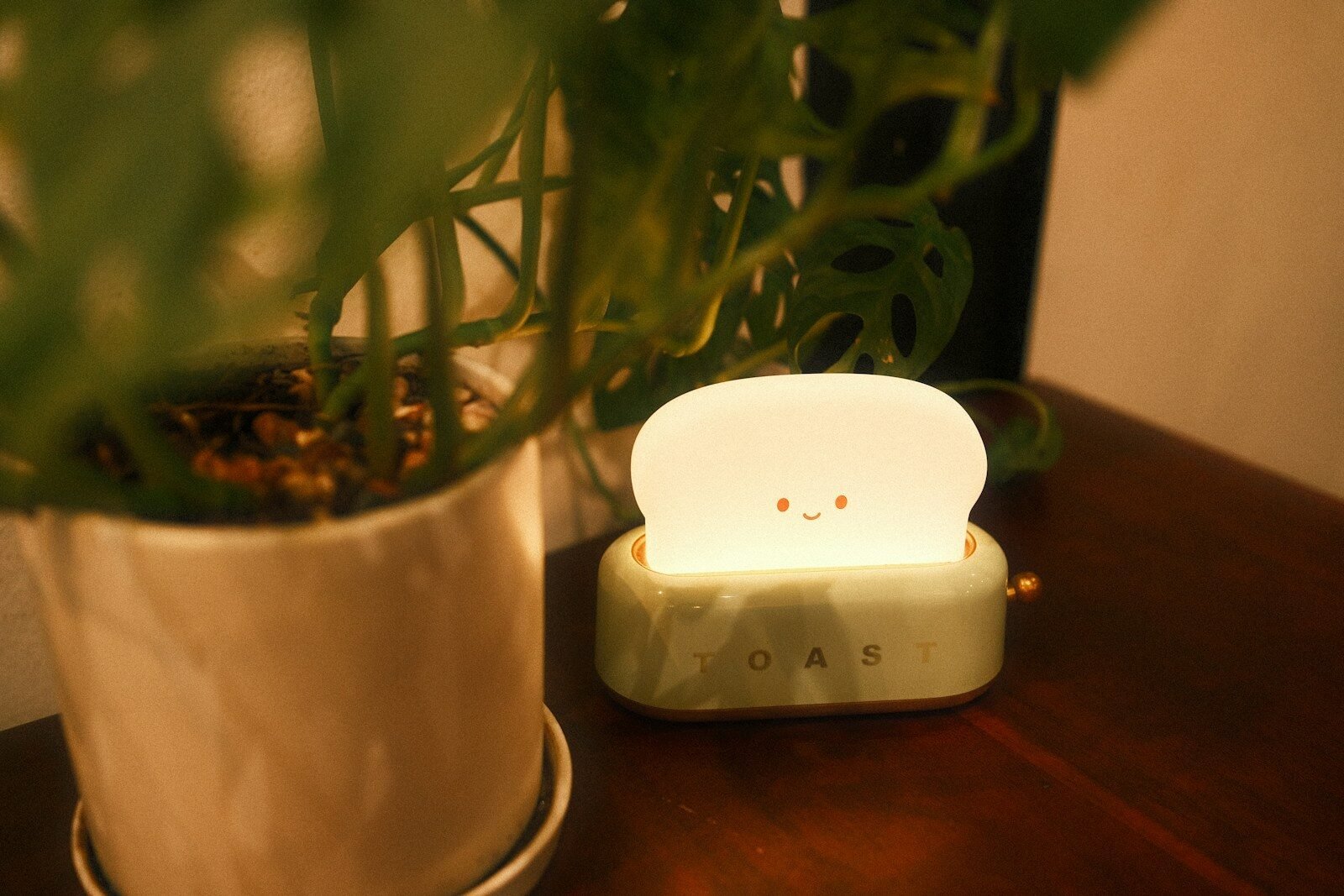
When parents begin to understand why do babies like white noise, the next logical step is selecting the appropriate equipment to foster a restful environment. Because infants are sensitive to auditory stimulation, finding a high-quality device is essential for consistent sleep patterns. For those navigating the vast marketplace, this guide on the best newborn sound machine options provides a helpful starting point for optimizing the nursery.
Evaluating continuous versus looping sounds
One of the most critical factors in selecting a device is ensuring the sound remains seamless throughout the night.
- The Issue with Looping: Many budget-friendly devices rely on short, digital recordings that repeat every few minutes. Parents may notice a brief “gap” or a rhythmic stutter in the audio when the loop resets.
- The Risk of Interruption: This subtle break can actually wake a sleeping infant, especially during the transition between sleep cycles.
- The Superior Alternative: Experts recommend continuous sound machines that play an uninterrupted stream of white noise. This consistency is vital because the brain remains focused on the steady auditory environment rather than a predictable, repeating pattern.
Prioritizing non-mechanical white noise options
Not all “white noise” is created equal. To replicate the environment of the womb, parents should look for devices that provide authentic, broad-spectrum sound rather than tinny, synthesized recordings.
- Avoid Mechanical Noise: Some fans or cheap oscillating motors create high-pitched whirring or grinding sounds. These can be jarring to sensitive ears.
- The Gold Standard: Look for devices that offer a “true” fan-based sound or high-quality digital recordings of ambient, low-frequency tones. According to research published by the National Institutes of Health, maintaining a steady, low-frequency sound environment can significantly improve sleep initiation in clinical settings.
- Pink Noise vs. White Noise: Many modern devices now offer “pink noise,” which filters out higher frequencies to sound deeper and more like the rushing blood flow heard in utero. This often proves more soothing for newborns than standard television static.
- Safety Standards: Always check for compliance with American Academy of Pediatrics guidelines regarding sound pressure levels to ensure the nursery environment remains developmentally appropriate and safe.
By focusing on these technical specifications, parents can ensure that their child receives the full benefit of consistent, high-quality audio support during their critical early months of development.
Safety and Volume Best Practices
While many parents understand why do babies like white noise due to its soothing nature, implementing it safely is paramount to protecting a newborn’s developing ears. When used correctly, sound machines can be a helpful tool for sleep, but improper use can potentially impact auditory development. Following professional guidelines ensures that the nursery remains a restful environment without crossing the line into harmful auditory stimulation.
Maintaining a safe decibel level for infants
The most critical factor in using sound machines is volume control. According to research from the American Academy of Pediatrics, excessive noise exposure can be detrimental to an infant’s hearing. To ensure a safe sleep environment:
- Follow the 50-decibel rule: The National Institutes of Health suggests that noise levels in a nursery should not exceed 50 decibels. This is roughly equivalent to the sound of a quiet office or a gentle rainfall.
- Use a decibel meter: Parents can download smartphone apps to measure the ambient noise level in the nursery. Place the device where the baby’s head would typically be during sleep to get an accurate reading.
- The “Arm’s Length” test: If a sound machine is being used, a simple rule of thumb is that if it sounds loud to the parent standing near the crib, it is far too loud for the infant.
Strategic placement in the nursery
Where the device is located is just as important as the volume level it emits. Proper positioning prevents the sound from being too intense while still providing the consistent background buffer that parents appreciate when they realize why do babies like white noise.
For optimal safety and effectiveness, follow these placement strategies:
- Distance is Key: Keep the sound machine at least seven feet away from the baby’s crib or bassinet. This distance helps dissipate the sound waves, preventing them from being too concentrated on the infant’s sensitive ears.
- Directional Positioning: Always point the speaker of the sound machine away from the crib. Directing the sound toward a wall allows the audio to reflect and fill the room more evenly rather than blasting the baby with direct waves.
- Elevation: Place the device on a stable, flat surface like a dresser or a bookshelf. Ensure that power cords are tucked away and completely inaccessible to the child to prevent strangulation hazards.
- Hardware Selection: If you are still in the process of setting up your nursery, consider investing in top-rated sound machines for peaceful sleep, which often feature built-in volume limiters that help prevent accidental spikes in decibels.
By prioritizing distance and volume control, parents can leverage the benefits of white noise while ensuring their infant’s environment remains both comfortable and safe.

Frequently Asked Questions
Navigating the world of infant sleep can be challenging, and parents often have lingering inquiries regarding sleep aids. Understanding why do babies like white noise requires addressing common concerns about safety, habituation, and the best tools for the job. Below are the answers to the most common questions regarding the use of sound machines in the nursery.
Is white noise habit-forming for babies?
While babies may come to rely on sound machines to drift off to sleep, experts generally do not consider this a negative “addiction.” Instead, it is viewed as a positive sleep association. Much like a pacifier or a favorite blanket, it serves as a comfort cue that signals it is time for rest. Because it mimics the soothing environment of the womb, many pediatricians view it as a harmless tool for establishing healthy sleep hygiene.
At what age should I stop using white noise?
There is no hard deadline for when a child must stop using sound machines. Many children continue to benefit from them well into toddlerhood or even the preschool years.
- Gradual weaning: If parents wish to stop, they can slowly decrease the volume over several weeks.
- Natural progression: Many children naturally outgrow the need for it once they reach an age where they are no longer easily startled by household sounds.
- Research insight: For further reading on developmental milestones and sleep, the American Academy of Pediatrics provides extensive resources on safe sleep environments.
Are there differences between pink and white noise?
Yes, the primary difference lies in the frequency distribution:
- White Noise: Contains equal intensity across all audible frequencies, resulting in a “hissing” sound similar to a television static.
- Pink Noise: Has higher intensity at lower frequencies, which sounds deeper and more like steady rainfall or rustling leaves.
- Preference: Some parents find that pink noise is more soothing for infants because it feels less “harsh” than traditional white noise. Scientific studies on auditory stimuli suggest that both can effectively mask background disturbances.
Can a phone app be as effective as a machine?
While phone apps are convenient, they may not be the most effective long-term solution. Many experts recommend dedicated hardware for several reasons:
- Sound Quality: Dedicated devices often provide a higher quality, non-compressed audio loop.
- Safety: Keeping a phone in the crib can expose an infant to unnecessary electronic radiation and notifications.
- Consistency: A machine provides a seamless experience without the risk of an app crashing or a phone battery dying mid-nap.
For those looking to transition from apps to more reliable equipment, exploring the best newborn sound machine options can help ensure a consistent sleep environment. Ultimately, regardless of the technology used, the goal remains the same: helping parents understand why do babies like white noise so they can provide a soothing, secure atmosphere for their little ones.
Conclusion: Final thoughts on why do babies like white noise
Understanding why do babies like white noise ultimately comes down to biology and the need for comfort. By mimicking the sensory environment of the womb, these soundscapes offer infants a familiar, secure auditory blanket that helps them navigate the complexities of life outside the uterus. Whether it is used to mask the sudden thuds of a busy household or to smooth out transitions between sleep cycles, white noise remains a powerful, non-invasive tool for parents seeking to improve their infant’s rest.
Key Benefits Summarized
- Womb Simulation: It recreates the rhythmic, constant hum of the womb, which acts as a natural calming mechanism for distressed infants.
- Environmental Masking: It effectively drowns out disruptive household sounds that might otherwise trigger a startle reflex.
- Sleep Consolidation: Consistent soundscapes help babies stay asleep longer, leading to more restorative rest periods.
Best Practices for Continued Use
While white noise is highly effective, parents should remain mindful of how it is implemented to ensure long-term developmental safety:
- Keep it Quiet: Experts suggest keeping the volume below 50 decibels to protect delicate hearing, as highlighted in guidelines from the American Academy of Pediatrics.
- Strategic Positioning: Place the sound machine at least six feet away from the crib to minimize the intensity of the sound.
- Use Quality Equipment: Selecting a dedicated device is often better than using a smartphone, as it provides a more stable, consistent sound without the interference of notifications. For those searching for reliable devices, exploring top-rated newborn sound machine options can help ensure a consistent sleep environment.
Final Considerations
Integrating sound therapy into a bedtime routine is a personal choice, but it is supported by the National Library of Medicine as a viable strategy for improving sleep in high-stimulus environments. Parents should view white noise as a supportive aid rather than a permanent necessity, gradually phasing it out as the infant matures and becomes less sensitive to ambient noise.
Ultimately, by understanding why do babies like white noise, parents can foster a more peaceful nursery atmosphere, ensuring that both the infant and the caregiver get the rest they need to thrive. Embracing this simple, effective tool can make a significant difference in the quality of early childhood development and family well-being.
